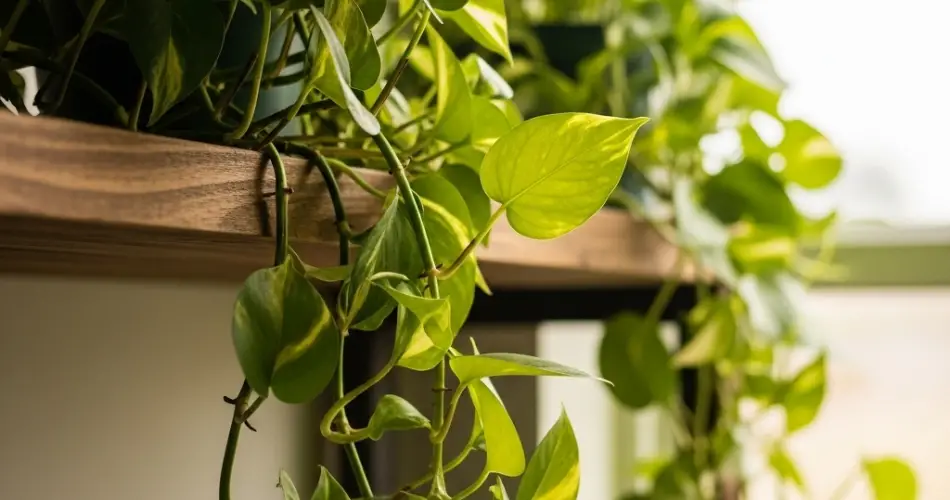
If you’re looking for a forgiving, fast-growing, and visually stunning houseplant, look no further than the pothos. Also known as Epipremnum aureum, this popular vine is loved by beginners and seasoned plant enthusiasts alike for its lush trailing leaves, low-maintenance habits, and ability to thrive in a variety of conditions.
With the right care, pothos can flourish into a long, cascading display of greenery—no matter your level of experience. Here’s a complete guide to help you raise pothos like a pro, whether it’s your first houseplant or one of many.
Why Pothos Is a Houseplant Staple
Pothos is often called a “gateway plant” for new plant parents. It grows quickly, bounces back from neglect, and looks beautiful in just about any indoor space. Some of its key features include:
-
Adaptability to different light levels
-
Minimal watering requirements
-
Air-purifying qualities
-
Easy propagation
-
Beautiful trailing vines that can be trained to climb or hang
Varieties like Golden Pothos, Marble Queen, Neon Pothos, and Jade Pothos offer subtle differences in leaf color and variegation, making it easy to find one that suits your style.
Step 1: Choose the Right Spot
Pothos is extremely adaptable when it comes to lighting. It prefers bright, indirect sunlight, but can also tolerate low light conditions, making it perfect for offices, bathrooms, or rooms with shaded windows.
However, note that if your pothos has variegated leaves (like the Marble Queen), too little light can cause it to lose its unique patterns. If the plant starts looking too plain green, move it closer to a brighter spot—just out of reach of direct sun, which can scorch the leaves.
Step 2: Water Wisely
One of the most common mistakes new plant owners make is overwatering. Pothos prefer their soil to dry out between waterings. Stick your finger into the top inch of the soil—if it feels dry, it’s time to water. If it’s still moist, wait a few more days.
When you do water, be generous. Water the soil thoroughly until excess drains from the bottom of the pot. Then, discard any water sitting in the saucer to prevent root rot.
In general:
-
Spring/Summer: Water every 7–10 days
-
Fall/Winter: Water every 2–3 weeks, depending on humidity levels
Step 3: Use Well-Draining Soil and a Good Pot
Pothos isn’t picky, but it does best in well-draining soil. A general-purpose potting mix will work fine, but you can improve drainage by mixing in perlite or orchid bark.
Choose a pot with drainage holes to avoid soggy roots. If your pothos comes in a plastic nursery pot, you can place it inside a decorative outer pot for style—just make sure the inner pot allows for proper drainage.
Step 4: Feed for Fuller Growth
Though pothos is a light feeder, a little nutrition goes a long way. Use a balanced liquid houseplant fertilizer once a month during the growing season (spring and summer). No need to feed in winter when the plant naturally slows down.
Fertilizer encourages bushier growth and vibrant foliage, especially if you want a fuller-looking plant.
Step 5: Prune Regularly
Pruning not only controls the shape of your pothos but also stimulates new growth. Use clean scissors to snip long vines just above a node (where a leaf meets the stem). This encourages branching and makes the plant look fuller.
Remove any yellowing or dead leaves as needed. Don’t worry—occasional yellowing is normal and often caused by overwatering or old foliage aging out.
Step 6: Train or Trail as Desired
One of the best things about pothos is its versatility. You can let it trail down a shelf, hang from a basket, or train it to climb a moss pole or trellis. To train your plant to climb, gently secure vines using soft plant ties and guide them toward the desired direction.
If growing in a hanging basket, allow vines to cascade for a dramatic effect. You can trim selectively to shape or encourage side growth.
Step 7: Propagate and Multiply
Want more pothos? It’s incredibly easy to propagate. Just snip a vine below a node, remove the bottom leaves, and place the cutting in water. Roots will begin to grow in 1–2 weeks. Once roots are a few inches long, transfer the cutting to soil.
Propagation is perfect for sharing with friends, expanding your plant collection, or refreshing a sparse-looking plant.
Step 8: Monitor for Pests and Problems
Pothos is relatively pest-resistant, but occasionally, it may attract:
-
Spider mites
-
Mealybugs
-
Fungus gnats (if the soil is consistently damp)
Treat infestations with insecticidal soap, neem oil, or a gentle rinse. Ensure good airflow and avoid letting the soil stay wet for too long.
Common issues to watch for:
-
Yellowing leaves: Often caused by overwatering
-
Brown tips: Can be due to dry air or underwatering
-
Leggy vines: Typically from low light or infrequent pruning
Final Thoughts
Pothos is one of the most rewarding and easy-to-care-for houseplants you can grow. With just a bit of attention and the right conditions, it will thrive and grow into a lush display of trailing greenery. Whether you live in a city apartment or a spacious home, pothos brings beauty, freshness, and a touch of the tropics to your indoor space.
Follow these tips, and before long, you’ll be caring for pothos like a true plant expert.


