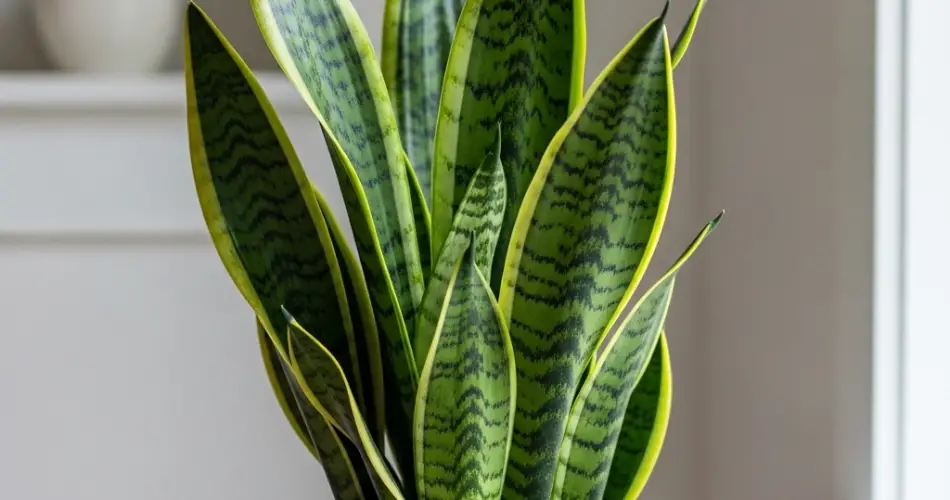
Living in a small apartment doesn’t mean you have to give up on indoor greenery. In fact, one of the best plants for compact spaces is the snake plant—also known as Sansevieria or mother-in-law’s tongue. This hardy, architectural plant is not only incredibly low-maintenance, but it also improves air quality and adds a stylish, sculptural touch to any room.
If you’ve struggled to keep houseplants alive in the past or think you don’t have the space, the snake plant might just change your mind. Here’s everything you need to know to raise a thriving snake plant in even the tiniest apartment.
Why the Snake Plant Is Perfect for Apartment Living
Snake plants are a favorite among urban gardeners and plant beginners for good reason. They’re:
-
Compact and vertical: Their upright, sword-like leaves don’t spread out, making them ideal for tight corners or narrow shelves.
-
Drought-tolerant: They can go weeks without water and don’t complain about neglect.
-
Air-purifying: Snake plants filter toxins like formaldehyde and benzene from the air, making your home healthier.
-
Low-light friendly: While they prefer bright, indirect light, they can also survive in dim rooms.
All these features make the snake plant an excellent companion for busy apartment dwellers, minimalists, and those without a green thumb.
Step 1: Choose the Right Variety
Snake plants come in many varieties, and all are suitable for indoor environments. Some great options for small apartments include:
-
Sansevieria trifasciata ‘Laurentii’ – The classic version with tall green leaves edged in yellow.
-
Sansevieria ‘Moonshine’ – Silvery-gray leaves that add a modern, minimalist look.
-
Sansevieria cylindrica – Cylindrical, fan-like leaves that grow in sculptural clusters.
Look for a healthy plant with firm, upright leaves and no signs of rot or pest damage.
Step 2: Pick a Pot and Location
A snake plant doesn’t require much space, but it does need a proper pot. Choose one with drainage holes to prevent soggy roots. Terracotta pots work especially well because they allow the soil to dry out more quickly.
As for placement, snake plants can adapt to a variety of lighting conditions, but they grow best in bright, indirect light. A spot near a window with filtered sunlight is ideal, but they can also live in corners or rooms with artificial lighting.
Their vertical growth makes them perfect for:
-
Bedroom nightstands
-
Kitchen counters
-
Living room shelves
-
Bathroom ledges with indirect light
Step 3: Use Well-Draining Soil
Snake plants dislike soggy conditions, so proper soil is key. Use a cactus or succulent mix or make your own blend by mixing standard potting soil with perlite or coarse sand. This helps water drain quickly and prevents root rot.
Step 4: Water Sparingly
If there’s one golden rule for raising a snake plant, it’s this: less is more when it comes to water. Water only when the top 1–2 inches of soil are completely dry. Depending on your apartment’s temperature and humidity, this could mean every 2–3 weeks.
In winter, water even less—maybe once a month. Always empty the saucer after watering so the plant’s roots don’t sit in water.
Step 5: Minimal Fertilizer, Maximum Growth
Snake plants don’t need much feeding, but occasional fertilizing can encourage growth. Use a balanced, diluted houseplant fertilizer once in spring and again in summer. Avoid over-fertilizing, which can lead to floppy leaves or salt buildup in the soil.
Step 6: Keep It Clean and Pest-Free
Dust can accumulate on your snake plant’s broad leaves, so give them an occasional wipe with a damp cloth to keep them looking fresh and allow for better photosynthesis.
While snake plants are generally pest-resistant, they can occasionally attract mealybugs or spider mites. If that happens, wipe leaves with neem oil or soapy water and isolate the plant until it recovers.
Step 7: Repot Only When Needed
Snake plants like being slightly root-bound, so there’s no rush to repot. Do it only every 2–3 years, or when roots start growing out of the drainage holes. Choose a pot one size larger, refresh the soil, and gently separate any crowded clusters.
Bonus tip: You can propagate your snake plant when repotting. Simply divide the plant at the root or cut a leaf and place it in water or soil. Before long, you’ll have a whole new plant to enjoy—or share.
Final Thoughts
Snake plants are ideal for apartment dwellers who want the beauty of indoor plants without the hassle. They thrive in limited space, tolerate neglect, and add an instant touch of greenery to your home. Whether you place one on a windowsill, in a corner, or on your desk, a snake plant is a low-effort way to bring life into your living space.
Even if your apartment is small or your schedule is hectic, you can still enjoy the benefits of raising a beautiful, resilient plant—one that asks for little but gives back a lot.


