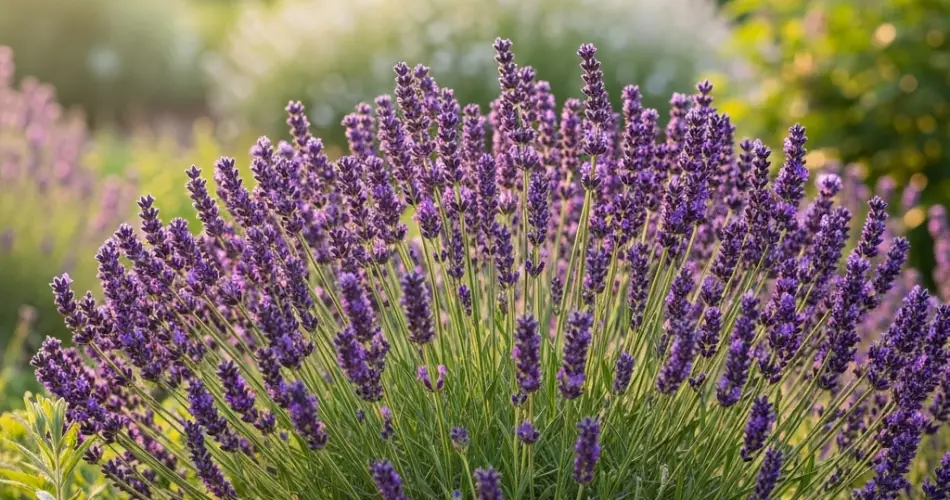
Lavender is a beloved herb known for its calming fragrance, vibrant purple flowers, and versatility in both the garden and the home. Whether used in teas, sachets, skincare products, or simply as a decorative plant, lavender offers beauty and functionality. The best part? It’s surprisingly easy to grow—even for absolute beginners.
If you’ve never kept a plant alive, don’t worry. Lavender is a hardy, forgiving herb that thrives in the right conditions. This guide will walk you through the basics so you can grow healthy, blooming lavender in your garden, on your balcony, or in a sunny windowsill container.
1. Choose the Right Lavender Variety
Not all lavender types grow equally well in all climates, so the first step is picking the right variety for your area:
-
English lavender (Lavandula angustifolia): Best for cooler climates, great for culinary use.
-
French lavender (Lavandula dentata): Tolerates heat well, blooms longer, but less fragrant.
-
Spanish lavender (Lavandula stoechas): Compact with showy flowers, ideal for pots.
If you’re unsure, English lavender is a reliable and adaptable choice for most beginners.
2. Provide Full Sunlight
Lavender loves the sun. Whether you’re planting it outdoors or in a container, make sure it gets at least 6 to 8 hours of direct sunlight each day.
If you’re growing lavender indoors, place it near a south-facing window. You can also supplement with a grow light if natural light is limited.
3. Use Well-Draining Soil
One of the most common mistakes beginners make is using rich, water-retaining potting mixes. Lavender prefers dry, sandy, or gravelly soil with excellent drainage.
For container planting:
-
Use a cactus or succulent mix, or make your own by mixing 2 parts potting soil, 1 part sand or perlite, and 1 part compost.
-
Make sure the pot has drainage holes to avoid soggy roots.
For garden planting:
-
Choose a raised bed or sloped area.
-
Mix in coarse sand or small gravel if your soil is heavy or clay-based.
4. Water Sparingly
Lavender is drought-tolerant once established and hates wet feet. Overwatering is the fastest way to kill your plant.
-
Water only when the top 1–2 inches of soil are dry.
-
In hot, dry climates, water once or twice a week.
-
In cooler or humid areas, watering every 10–14 days may be enough.
Avoid letting the plant sit in standing water, especially in containers.
5. Fertilizing Isn’t Always Necessary
Unlike many flowering plants, lavender thrives in low-nutrient soil. Overfeeding can lead to excess leaf growth and fewer blooms.
If you want to give it a boost:
-
Use a light compost mulch once a year in spring.
-
Or apply a diluted, low-nitrogen fertilizer once at the beginning of the growing season.
Avoid fertilizers high in nitrogen, as they can cause floppy growth and poor flowering.
6. Prune to Promote Growth
Pruning lavender is simple and essential for keeping it healthy and full.
-
In early spring or after flowering, trim back about one-third of the plant’s overall size.
-
Avoid cutting into the woody stems, as they don’t regenerate well.
-
Regular trimming encourages bushier growth and more blooms.
If you’re growing indoors, pruning will also help shape the plant and manage its size.
7. Protect Lavender in Winter
Lavender is hardy, but young plants and certain varieties may need protection in colder regions.
-
In-ground plants: Add a layer of mulch (like straw or pine needles) around the base to insulate roots.
-
Container plants: Move pots to a sheltered area like a porch, garage, or indoors near a window.
French and Spanish varieties are less cold-hardy than English lavender and may require more care during winter.
8. Harvesting Lavender
One of the joys of growing lavender is harvesting the blooms for use around the home.
-
Cut stems when the buds are just beginning to open, as this is when the fragrance is strongest.
-
Use sharp scissors or garden snips.
-
Bundle and hang the stems upside down in a dry, dark place to preserve their color and scent.
Dried lavender can be used in sachets, teas, homemade bath products, or as decorative arrangements.
9. Common Issues and How to Avoid Them
-
Yellowing leaves: Often caused by overwatering or poor drainage.
-
Woody, leggy growth: Due to lack of pruning or insufficient sunlight.
-
No flowers: Could result from over-fertilizing or growing in low light.
Most problems can be avoided by following the basics: full sun, well-draining soil, and careful watering.
Conclusion
Lavender is a low-maintenance herb that rewards even the most inexperienced gardeners with beauty, fragrance, and usefulness. With just a bit of sunlight, the right soil, and some occasional care, you can enjoy thriving lavender all year long. Whether you’re planting in a garden bed or a sunny windowsill pot, this resilient herb is the perfect companion for beginner plant lovers.


