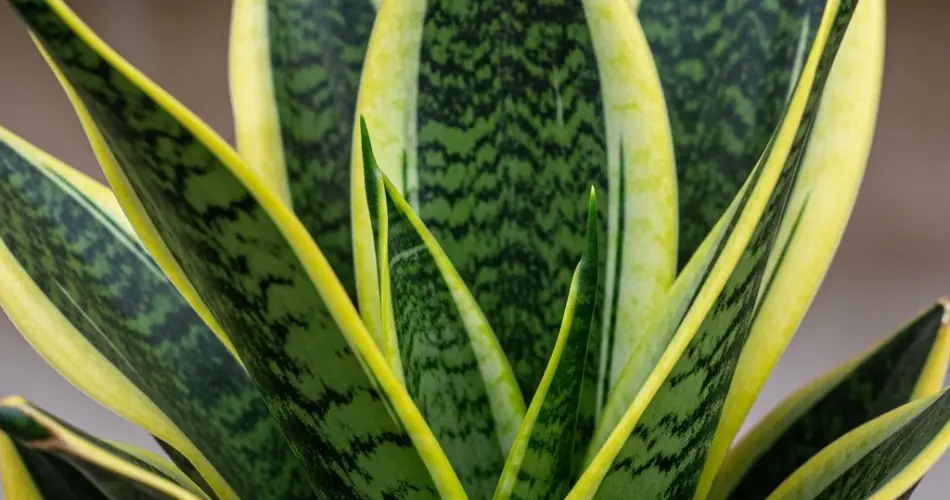
The snake plant (Sansevieria trifasciata), also known as mother-in-law’s tongue, is a household favorite due to its striking upright leaves, air-purifying qualities, and near-indestructible nature. But did you know that under the right conditions, this hardy plant can also bloom—and not just once, but throughout the year?
While flowering in snake plants is uncommon, with intentional care and attention to specific growing conditions, you can encourage it to produce clusters of delicate, fragrant white flowers that make a stunning contrast against its sword-like foliage. Here’s how to nurture your snake plant for continuous, vibrant blooms.
Why Snake Plants Rarely Flower
Snake plants are slow-growing and typically focus their energy on leaf and root development. In the wild, blooming often occurs when the plant feels slightly “stressed,” signaling it to reproduce. Indoors, where conditions are stable, this natural blooming trigger can be absent.
However, by understanding what your plant needs and mimicking its native environment, you can coax it into a healthy growth pattern that includes regular blooming.
Step 1: Use the Right Container and Soil
Start with a well-draining pot with a drainage hole. Snake plants are susceptible to root rot if left in soggy soil.
Ideal soil mix:
-
2 parts cactus or succulent mix
-
1 part perlite or coarse sand
-
Optional: Add a small amount of crushed charcoal or pumice for aeration
Choose a slightly snug pot—snake plants bloom more readily when root-bound.
Step 2: Provide Plenty of Bright, Indirect Light
One of the most overlooked factors in blooming is light. While snake plants can survive in low light, they won’t bloom without ample brightness.
For best results:
-
Place the plant near a bright, indirect light source—such as an east- or west-facing window.
-
Avoid harsh, direct midday sun which can scorch leaves.
-
If growing indoors, consider rotating the pot weekly for even exposure.
If natural light is limited, supplement with a full-spectrum grow light for 10–12 hours a day.
Step 3: Mimic Natural Growth Cycles
To encourage blooming, it’s important to simulate the plant’s natural rhythms.
Temperature and humidity tips:
-
Keep daytime temperatures between 70–85°F (21–29°C).
-
Allow nighttime temps to drop slightly to mimic outdoor conditions.
-
Ensure low to moderate humidity—snake plants do not enjoy overly humid environments.
In late winter or early spring, a slight period of dryness followed by steady watering can signal the plant to bloom.
Step 4: Smart Watering and Stressing Techniques
Snake plants like to dry out between waterings. Overwatering is a common mistake that can lead to rot and prevent blooming.
Watering strategy:
-
Water thoroughly when the top 2–3 inches of soil feel dry.
-
During the winter months, reduce watering to once every 3–4 weeks.
-
Consider letting the plant stay slightly dry for a week or two before resuming regular watering—this “mild stress” can sometimes prompt flowering.
Step 5: Feed Wisely for Bloom Support
Nutrients play a key role in helping snake plants thrive and flower.
Fertilizer tips:
-
Use a balanced, diluted liquid fertilizer (10-10-10 or 20-20-20) every 4–6 weeks during the growing season (spring through early fall).
-
Stop fertilizing in winter when the plant naturally slows down.
-
Avoid overfeeding—excess nitrogen may cause lush foliage at the expense of flowers.
To promote blooming, opt for a fertilizer that’s slightly higher in phosphorus (the middle number), which supports flower development.
Step 6: Clean and Prune for Healthy Growth
Regular maintenance can also help redirect energy to blooming.
Pruning and cleaning tips:
-
Remove any damaged, yellowing, or dead leaves at the base with sterilized scissors.
-
Gently wipe leaves with a damp cloth to remove dust, allowing for better light absorption.
-
Don’t prune excessively—snake plants like to feel “full” and root-bound to flower.
Step 7: Recognizing Flower Buds and Supporting the Bloom
If you see a long, thin stalk emerging from the base with tiny buds forming—congratulations, your snake plant is preparing to bloom!
Flowering support:
-
Do not move the plant once the bloom stalk appears. Stability helps it complete the flowering cycle.
-
Maintain consistent temperature and light.
-
Avoid overwatering during this phase.
-
After blooming, the stalk can be pruned back once it dries out completely.
Snake plant blooms are often sweetly fragrant at night and can last several weeks under good conditions.
Final Thoughts
While snake plants are widely known for their low-maintenance care and bold foliage, unlocking their flowering potential is a rewarding experience for any plant lover. With strategic light exposure, moderate watering, proper feeding, and a bit of patience, you can encourage your snake plant to bloom multiple times throughout the year.
Whether you’re an experienced plant enthusiast or just starting out, following these practical care tips will give your snake plant the best chance at showing off its rare and beautiful blooms.


