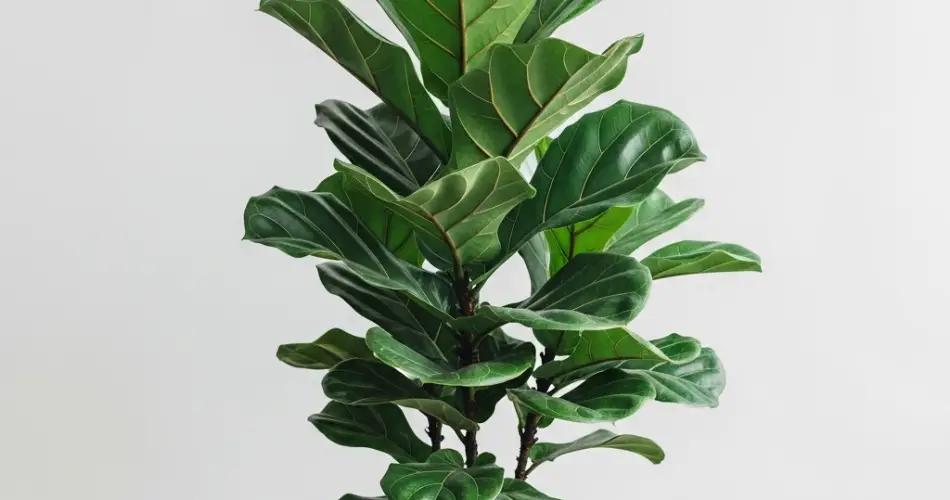
The fiddle leaf fig (Ficus lyrata) is one of the most popular houseplants today, admired for its large, glossy, violin-shaped leaves and dramatic presence. However, many beginners hesitate to grow one because fiddle leaf figs are often considered “difficult” to care for. If you’ve struggled with keeping plants alive in the past, don’t worry — fiddle leaf figs can be surprisingly forgiving when you understand their needs.
This guide will help you care for your fiddle leaf fig successfully, even if you’ve “killed” every plant before.
Why Choose a Fiddle Leaf Fig?
Fiddle leaf figs bring a touch of tropical elegance indoors. They:
-
Have stunning, bold leaves that brighten any room.
-
Improve air quality by filtering toxins.
-
Add height and structure, making them a natural focal point.
-
Can thrive indoors with the right care, even for beginners.
With a little patience and attention, this plant can become your green pride and joy.
Selecting a Healthy Plant
Start with a healthy fiddle leaf fig:
-
Choose one with bright green leaves, free from brown spots or yellowing.
-
Avoid plants with many damaged or dropping leaves.
-
Select a manageable size for your space, ideally 2–3 feet tall for beginners.
Starting strong makes all the difference.
Finding the Right Spot
Light is critical for fiddle leaf figs. They prefer:
-
Bright, indirect sunlight — near east or south-facing windows work well.
-
Avoid harsh direct sun, which can scorch leaves.
-
If natural light is limited, supplement with grow lights.
-
Rotate the plant regularly to keep growth even and prevent leaning.
Good light helps your plant thrive and stay healthy.
Watering the Right Way
Watering is often where beginners struggle most. Too much or too little water can harm your plant.
-
Allow the top 1–2 inches of soil to dry out between watering.
-
When watering, soak the soil thoroughly and let excess drain away.
-
Empty any water caught in the saucer beneath the pot.
-
Reduce watering in cooler months when growth slows.
-
Avoid overwatering — it’s the most common cause of root rot.
Consistent but moderate watering is key.
Humidity and Temperature
Fiddle leaf figs prefer moderate humidity and warmth:
-
Ideal temperatures range from 60°F to 75°F (15°C to 24°C).
-
Avoid drafts from heaters, air conditioners, or open windows.
-
If your air is dry, increase humidity by misting leaves, using a humidifier, or placing a water tray nearby.
Stable conditions help prevent stress and leaf drop.
Soil and Fertilizer
Use well-draining potting soil formulated for indoor plants or mix standard potting soil with perlite.
Fertilize during the growing season:
-
Feed every 4–6 weeks with a balanced liquid fertilizer diluted to half strength.
-
Do not fertilize during fall and winter, when the plant rests.
Feeding provides essential nutrients for healthy growth.
Pruning and Cleaning
Regular maintenance keeps your fiddle leaf fig looking its best:
-
Wipe leaves gently with a damp cloth to remove dust and improve photosynthesis.
-
Remove yellowing or damaged leaves promptly.
-
Prune to control size and encourage bushier growth.
-
Support tall plants with stakes if needed.
A little upkeep goes a long way.
Troubleshooting Common Problems
Even with good care, issues may arise. Here’s how to address them:
-
Brown leaf spots: Usually caused by overwatering or fungal infection. Cut back watering and improve airflow.
-
Leaf drop: Often due to environmental stress like drafts, temperature changes, or inconsistent watering.
-
Leggy or sparse growth: Insufficient light. Move your plant to a brighter spot or add supplemental lighting.
-
Pests (spider mites, scale): Treat with insecticidal soap or neem oil.
Identifying problems early helps keep your plant healthy.
Tips for Beginners Who Kill Plants
-
Be patient: Fiddle leaf figs grow slowly indoors; don’t expect overnight success.
-
Less is more: Don’t overwater or overfertilize—this is a common pitfall.
-
Watch your plant: Observe changes in leaves and growth to adjust care.
-
Set reminders: Use phone alerts to remember watering and feeding schedules.
-
Start small: It’s easier to manage a smaller plant that fits your space.
With these habits, even those new to plant care can succeed.
Final Thoughts
Caring for a fiddle leaf fig may seem daunting if you’ve struggled with plants before, but this beautiful tree is very rewarding once you get the hang of it. With the right light, watering routine, and a little attention, your fiddle leaf fig will flourish and bring lush, tropical beauty into your home.
Remember, even experienced gardeners have occasional challenges with fiddle leaf figs — it’s part of the journey. If you treat your plant gently and consistently, it will respond with vibrant leaves and steady growth.
Your “black thumb” days can be behind you. Embrace the process, and enjoy the fresh, green presence of your fiddle leaf fig for years to come.


