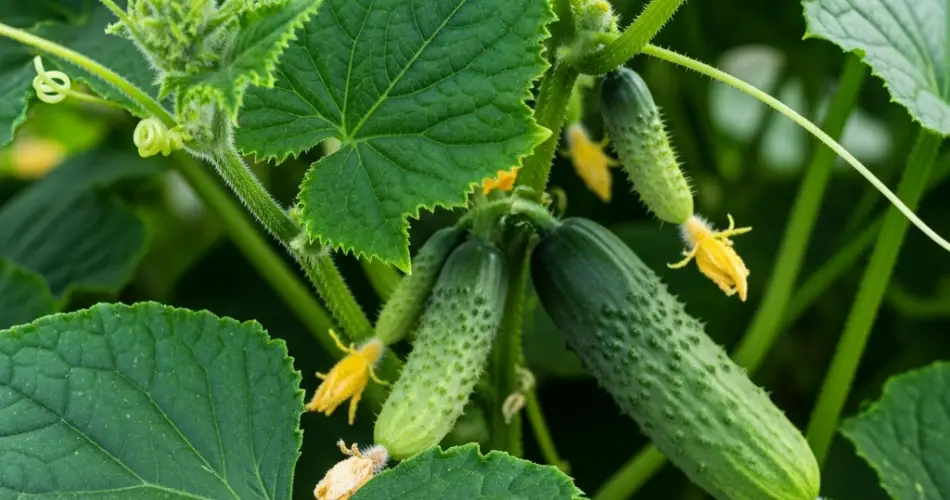
Cucumbers are one of the most satisfying vegetables to grow at home. They’re fast-growing, productive, and perfect for warm-weather gardens. Best of all, they don’t require a lot of effort once you get them going. Whether you want them for fresh salads, pickling, or healthy snacks, cucumbers are a low-hassle crop ideal for beginners and busy gardeners alike.
Choosing the Right Variety
Before you plant cucumbers, it’s helpful to know the two main types:
-
Slicing cucumbers – These are the long, smooth varieties you commonly see in stores. Great for salads and fresh eating.
-
Pickling cucumbers – These are smaller, bumpier, and perfect for preserving.
You can grow either or both depending on your needs. There are also bush varieties, which are more compact and great for small gardens or container growing, and vining varieties, which will need support but produce more.
Starting Seeds or Buying Plants
Cucumbers can be directly sown in the garden once the soil has warmed up to at least 60°F (16°C), usually a few weeks after the last frost. They also grow well from transplants if you start them indoors 3–4 weeks ahead of time.
If you’re new to gardening or want a quick start, buying small cucumber seedlings from a nursery is a good option.
Ideal Growing Conditions
Cucumbers love warm weather and sunshine. Choose a sunny location that gets at least 6–8 hours of direct sunlight daily. They also need well-draining soil rich in organic matter. Mix in compost or aged manure before planting for the best results.
Plant cucumbers in mounds or rows, spacing vining types about 3 feet apart, and bush types about 18 inches apart. If space is limited, grow cucumbers vertically using a trellis or garden netting.
Hassle-Free Watering
One of the few things cucumbers are picky about is water. Consistent moisture is key — if they dry out too much between waterings, you may end up with bitter or misshapen fruits.
Water deeply at the base of the plants 2–3 times a week, more often in hot weather. Try to avoid overhead watering, which can lead to mildew or rot. Adding mulch around the base helps retain moisture and suppress weeds, reducing your workload.
Feeding Your Cucumbers
Cucumbers are hungry plants. For a no-fuss feeding routine:
-
Mix a balanced fertilizer or compost into the soil before planting.
-
Apply a liquid organic fertilizer every 2–3 weeks once the plants start flowering.
Avoid high-nitrogen fertilizers alone, as they’ll promote lots of leaves but fewer fruits. A fertilizer labeled for vegetables or tomatoes works well for cucumbers too.
Support for Vining Varieties
Vining cucumbers grow best when supported. A trellis, cage, or garden fence keeps the plants off the ground, improving air circulation and making fruits easier to spot and harvest. It also keeps the cucumbers clean and reduces the risk of pests or disease.
Training your cucumber vines upward not only saves space but helps you grow more in small backyard gardens.
Dealing With Pests the Easy Way
Cucumbers can attract pests like aphids, cucumber beetles, and spider mites, but you can handle most of these problems with minimal effort.
-
Check the underside of leaves for pests while watering.
-
Use insecticidal soap or a gentle homemade mix of water and a few drops of dish soap to control infestations.
-
Encourage beneficial insects like ladybugs by planting herbs such as dill, basil, or marigolds nearby.
Also watch for signs of powdery mildew (white spots on leaves). If you see it, improve air circulation and avoid watering the foliage.
Easy Harvesting Tips
Cucumbers grow quickly and can become oversized in just a day or two. Oversized cucumbers are often bitter and full of seeds. Check your plants daily once they start producing, and harvest when the cucumbers are still firm and bright green.
Use a pair of scissors or garden snips to cut them from the vine, rather than twisting, to avoid damaging the plant.
Keep the Harvest Going
Cucumber plants are most productive when picked regularly. The more you harvest, the more they produce. If you want a steady supply all season long, consider staggered planting — sow new seeds every 2–3 weeks through mid-summer.
Final Thoughts
Growing cucumbers doesn’t have to be complicated. With a sunny spot, regular watering, and a little support, you can enjoy crisp, homegrown cucumbers with very little effort. It’s one of the most rewarding vegetables to grow in a backyard garden — even if you’re short on time, experience, or space.
Start with a few seeds or seedlings, follow these simple tips, and soon you’ll be snacking on cucumbers straight from the vine.


