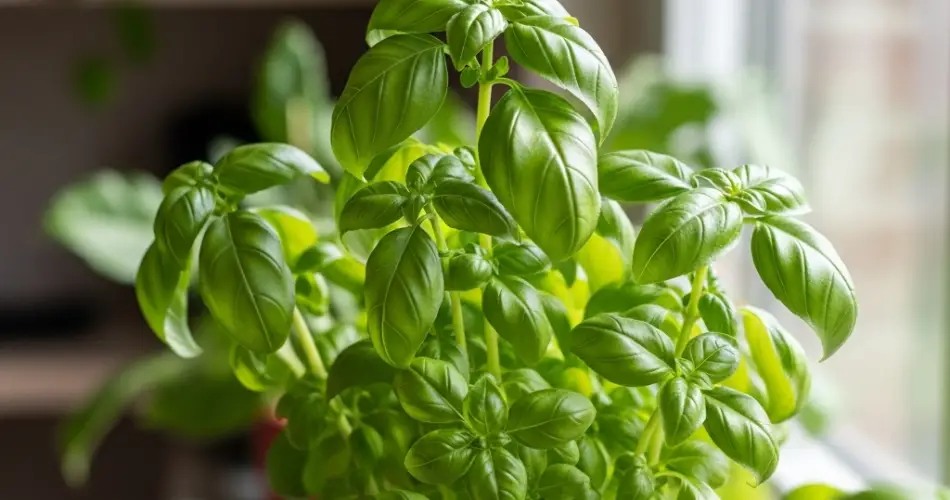
Basil is one of the most beloved herbs in the garden, and learning to germinate it properly is the first step to growing a lush, aromatic plant. Whether you’re aiming to grow a windowsill herb garden or fill your backyard with fresh Genovese basil, mastering germination sets the foundation for success.
Fortunately, basil is one of the easiest herbs to grow from seed — if you know a few expert techniques. Here’s how to germinate basil seeds confidently and consistently, just like a seasoned gardening pro.
Why Start Basil from Seed?
Starting basil from seed allows you to:
-
Choose from a variety of types (Genovese, Thai, Lemon, Purple, etc.).
-
Avoid pesticides or chemicals found in store-bought transplants.
-
Grow more plants at a lower cost.
Germinating basil at home gives you total control over the process, from soil quality to sunlight exposure.
When to Germinate Basil
Basil is a warm-weather herb that doesn’t tolerate frost. For outdoor gardens, start seeds 4 to 6 weeks before the last expected frost in your area. Indoors, you can grow basil year-round if you provide enough light.
Basil seeds typically germinate quickly, sprouting in 5 to 10 days under the right conditions.
Materials You’ll Need
To germinate basil like a pro, gather the following:
-
Basil seeds (fresh seeds germinate better)
-
Seed-starting trays or small pots
-
Seed-starting mix (light and fluffy soil helps germination)
-
Clear plastic cover or plastic wrap
-
Spray bottle for misting
-
Grow light or sunny windowsill
Avoid using heavy potting soil or garden soil for seed starting — it retains too much water and may prevent seeds from sprouting.
Step-by-Step Guide to Germinating Basil
1. Moisten the Seed-Starting Mix
Start by lightly moistening your seed-starting mix. It should feel damp but not soggy. Fill your tray or pots with the moistened mix, pressing gently to remove air pockets.
2. Sow the Seeds Shallowly
Basil seeds are small, so plant them about 1/4 inch (0.5 cm) deep. You can either plant a few seeds per cell or pot, or scatter them over a larger tray and thin them later. Lightly press the seeds into the surface and cover with a fine layer of soil.
3. Provide Warmth
Basil seeds germinate best at 70–75°F (21–24°C). If your indoor space is cooler, use a seedling heat mat to speed up germination. Cover the trays with plastic wrap or a humidity dome to keep the environment warm and moist.
4. Keep Moist, Not Wet
Mist the soil surface gently using a spray bottle once or twice a day to keep it evenly moist. Avoid overwatering, which can cause seeds to rot. Never let the soil dry out completely before sprouting.
5. Give It Light — But Only After Sprouting
Basil seeds don’t need light to germinate, but once sprouts appear, they’ll need 12–14 hours of bright light daily. A sunny windowsill can work if the light is strong, but for best results, use a grow light placed just a few inches above the seedlings.
6. Remove Cover Once Sprouted
As soon as you see the first green sprouts, remove the plastic cover. Good air circulation will prevent fungal issues like damping-off, a common cause of seedling death.
7. Thin the Seedlings
Once your basil seedlings have two sets of true leaves, thin them out by snipping the weaker ones at soil level. Leave the strongest seedling in each cell or pot to ensure healthy growth.
Transitioning to Larger Pots or the Garden
After 3–4 weeks, when the seedlings are about 3–4 inches tall and have several sets of leaves, they can be transplanted into larger containers or into the garden. Before planting them outdoors, harden them off by gradually introducing them to outdoor conditions over 5–7 days.
Pro Tips for Better Germination
-
Use fresh seeds: Older seeds have lower germination rates.
-
Label your trays: If you’re growing different basil types, keep them clearly marked.
-
Sterilize trays before use: Clean equipment reduces the risk of disease.
-
Don’t fertilize too early: Wait until seedlings are established before feeding them.
Final Thoughts
Germinating basil isn’t complicated, but doing it right makes all the difference in how your plants grow. With warmth, moisture, and patience, you’ll be rewarded with healthy, fragrant seedlings that will flourish in your garden or kitchen window.
Once you’ve mastered basil, you’ll find that starting other herbs and vegetables from seed becomes much easier. So grab some seeds and get started — a thriving herb garden begins with a single sprout.


