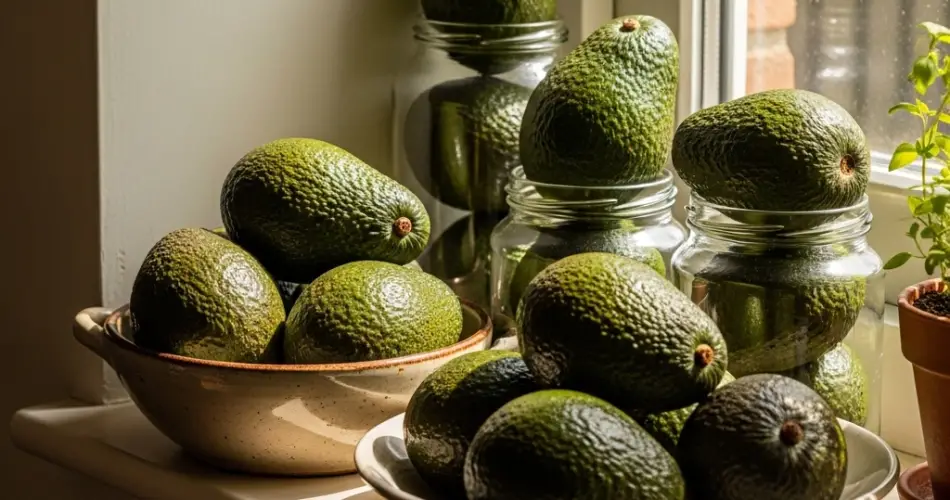
Growing an avocado plant in a container may sound like a tropical dream—but with the right care, it’s totally doable right on your sunny windowsill. Whether you’re starting from a pit or purchasing a small nursery tree, container-grown avocado plants make beautiful additions to your indoor garden and, with patience, can even reward you with fruit.
This guide covers everything you need to know to grow a healthy avocado tree in a container—from seed sprouting to long-term care.
Why Grow Avocados in Containers?
Avocado trees are typically associated with large outdoor gardens in warm climates, but with proper care, they can thrive indoors in pots. Benefits include:
-
Decorative appeal with lush, glossy leaves
-
Air purification properties
-
Fun DIY project from seed to tree
-
Potential fruit with patience and care (though less likely indoors)
Even if you never get fruit, the plant itself is attractive, low-maintenance, and satisfying to grow.
Option 1: Growing from Seed
If you love DIY and have patience, start with an avocado pit.
How to Sprout It:
-
Clean the seed gently with water.
-
Insert three toothpicks around the seed’s midpoint and suspend it over a glass of water with the broad end down.
-
Place the glass on a sunny windowsill.
-
Change the water every few days.
In 2–6 weeks, roots and a stem will appear. When the stem is 6–8 inches tall, trim it down to about 3 inches to encourage fuller growth. Once the roots are thick and the stem grows again, it’s ready for soil.
Option 2: Starting with a Young Tree
For faster results, consider buying a grafted dwarf avocado tree suited for container growth, such as varieties like ‘Wurtz’ or ‘Little Cado.’ These are bred to stay compact and produce fruit in containers.
Choosing the Right Container
-
Size: Start with a pot that’s at least 10–12 inches in diameter. As the tree grows, you may need to repot it into a larger container (up to 20 inches).
-
Material: Terra cotta or plastic pots work fine, but ensure they have drainage holes.
-
Drainage is essential to prevent root rot, one of the biggest killers of avocado plants in containers.
Best Soil Mix for Avocado
Avocado plants need loose, well-draining soil. Avoid heavy, compacted mixes.
Ideal soil mix:
-
1 part potting soil
-
1 part coarse sand or perlite
-
1 part compost or organic matter
A slightly acidic to neutral pH (6.0–7.0) is ideal.
Light Requirements
Avocados need bright, direct sunlight—at least 6–8 hours a day.
-
Place near a south- or west-facing window.
-
If natural light is insufficient, supplement with a grow light.
-
Rotate the pot every week to ensure even growth and prevent leaning.
Without proper light, growth may stall, and leaves may yellow.
Watering Your Avocado Plant
Avocado trees dislike soggy roots but also don’t tolerate being completely dry for long.
Watering tips:
-
Water deeply when the top 2 inches of soil are dry.
-
Reduce watering in winter, as the plant enters a slower growth phase.
-
Ensure water drains freely from the bottom of the pot.
Signs of overwatering: yellowing leaves, mushy roots.
Signs of underwatering: dry, curled, or browning leaf edges.
Feeding and Fertilizing
Avocados are moderate feeders. Use a balanced, slow-release fertilizer during the growing season (spring through early autumn).
-
Fertilize every 4–6 weeks with a 10-10-10 or citrus-type fertilizer.
-
Reduce or stop feeding during winter.
Leaf drop or pale foliage may indicate nutrient deficiency—feed accordingly but avoid over-fertilizing, which can harm young roots.
Pruning and Maintenance
-
Pinch back the top leaves when the plant is 12 inches tall to encourage bushier growth.
-
Remove dead or yellow leaves regularly.
-
Repot every 1–2 years or when roots outgrow the container.
Pruning also helps control size and shape, especially for indoor spaces.
Pollination and Fruit Potential
Container-grown avocados may produce fruit, but don’t expect it right away. From seed, it can take 5–13 years, and even grafted trees may take 2–3 years.
Indoors, fruiting is more difficult because avocados need cross-pollination and lots of light. However, moving your tree outdoors in summer and hand-pollinating flowers can improve chances.
Even without fruit, the tree adds greenery and a sense of accomplishment.
Common Problems and Solutions
-
Brown leaf tips: Often due to low humidity or salt buildup. Mist leaves occasionally and flush soil with water monthly.
-
Drooping leaves: Usually caused by over- or underwatering. Adjust accordingly.
-
No growth: Check for adequate light and nutrients.
Final Thoughts
Growing an avocado plant on your sunny windowsill is a fun, rewarding experience—even if you’re a beginner. With the right pot, soil, sunlight, and minimal maintenance, you can enjoy the lush, tropical beauty of this tree indoors. Whether you’re growing it as a decorative plant or hoping for homegrown guacamole someday, cultivating an avocado in a container is an easy and satisfying journey.


