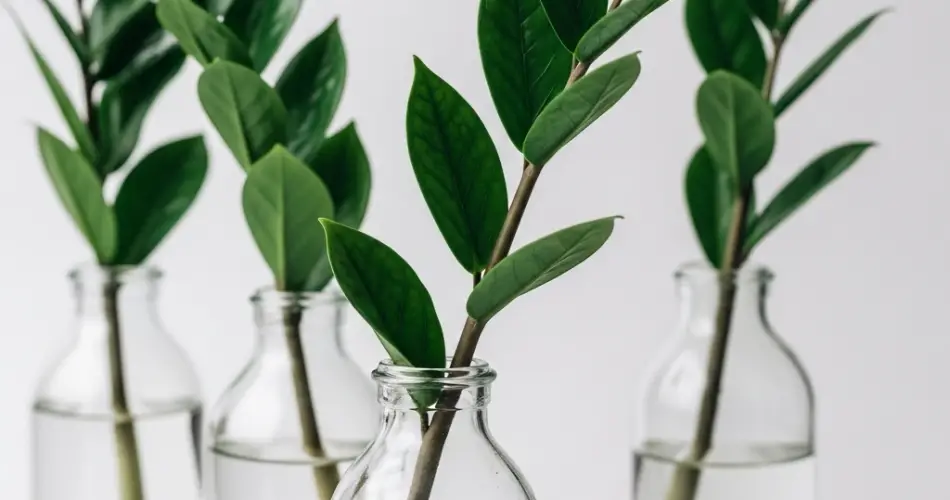
The ZZ plant (Zamioculcas zamiifolia) is a favorite among indoor gardeners for its glossy green leaves, drought tolerance, and almost indestructible nature. What many plant lovers may not know is that ZZ plants can be propagated quite easily using water—and all you need is a plastic bottle to get started.
If you’re looking for a budget-friendly, low-maintenance way to grow new ZZ plants, rooting cuttings in water bottles is a simple and effective method. This guide will walk you through the process step-by-step and offer tips to ensure success.
Why Propagate ZZ Plants in Water?
While ZZ plants are slow growers and are traditionally propagated via division or leaf cuttings in soil, rooting in water offers several benefits:
-
Visible root growth: Watch roots develop through the clear bottle.
-
Cleaner setup: No soil mess during the early stages.
-
Better success rate: Water propagation is gentle on cuttings.
-
Budget-friendly: Repurpose used plastic bottles instead of buying new pots.
This method is perfect for beginner plant parents, urban gardeners, or anyone wanting to expand their ZZ collection sustainably.
What You’ll Need
-
A healthy ZZ plant for cuttings
-
A clean plastic bottle (500 ml to 1 liter)
-
Sharp, sterilized scissors or pruning shears
-
Room-temperature filtered or dechlorinated water
-
Optional: activated charcoal to reduce bacteria
-
A clean, well-lit indoor space
Step-by-Step Guide to Rooting ZZ Plant Cuttings
1. Choose the Right Cuttings
ZZ plants can be propagated using either leaf cuttings or stem cuttings:
-
Leaf cuttings: Choose healthy, mature leaves and cut them off at the base with a tiny bit of the petiole (leaf stem) attached.
-
Stem cuttings: Select a thick, healthy stalk and cut it close to the base. Stem cuttings tend to root and develop rhizomes faster than individual leaves.
Both types can be rooted in water, though stem cuttings may show more visible progress in less time.
2. Prepare the Plastic Bottle
-
Cut off the top third of the bottle to create an open container. You can also use the full bottle and remove the cap to insert the cuttings.
-
Wash the bottle thoroughly and rinse away any residue.
-
If desired, you can decorate the bottle or wrap it with fabric or twine for aesthetics.
A clear bottle is ideal so you can monitor root development, but opaque bottles work too—just check the water level regularly.
3. Add Water
Fill the bottle with room-temperature filtered or dechlorinated water. Tap water may contain chlorine or fluoride, which can stress the cuttings.
If you’re using leaf cuttings, make sure only the base (where the stem touches the water) is submerged. For stem cuttings, immerse the cut end in water while keeping the leaves above the surface.
Adding a small piece of activated charcoal can help keep the water clear and reduce bacterial growth.
4. Place in a Bright, Indirect Light
Position the bottle in a location with bright, indirect sunlight. Avoid direct sun exposure, which can overheat the water and damage the cuttings.
Low to moderate light also works, but root development may take longer.
Caring for Your ZZ Cuttings in Water
Water Maintenance
-
Change the water every 10–14 days, or sooner if it becomes cloudy.
-
Refill as needed to maintain the proper water level.
-
Rinse the cuttings gently when changing water to prevent bacterial buildup.
Root and Rhizome Development
ZZ plants are slow to root. It can take 2 to 3 months for visible roots to form and even longer for rhizomes (bulb-like structures) to develop.
Be patient—healthy roots and rhizomes will appear as thick white or beige structures beneath the cutting. Avoid disturbing them too often.
Transplanting into Soil
Once the cuttings have developed a strong root system (2–3 inches long) and possibly small rhizomes, you can transfer them into soil:
-
Choose a well-draining potting mix—a cactus or succulent mix is ideal.
-
Fill a small pot or recycled container with the soil, then gently plant the rooted cutting.
-
Water lightly to help settle the roots, and place the plant in a location with indirect light.
Continue caring for your new ZZ plant as you would a mature one—water only when the soil is dry and keep it away from cold drafts.
Common Issues and Solutions
-
Rotting cuttings: Usually caused by submerging too much of the cutting or dirty water. Trim any mushy parts and restart in fresh water.
-
No roots after several months: Make sure your light conditions are appropriate and the water stays clean. ZZs are slow to root, but eventually, most healthy cuttings will take.
-
Algae in the bottle: Move the container out of direct light or switch to an opaque bottle.
Final Thoughts
Rooting ZZ plant cuttings in water bottles is a satisfying and simple way to grow new plants. This low-cost method is perfect for indoor gardeners of all experience levels and provides a fascinating glimpse into the plant’s slow but steady development.
With just a bottle, a cutting, and a little patience, you’ll soon have a healthy new ZZ plant ready to brighten your home—or to share with friends. It’s a sustainable, rewarding project that turns ordinary materials into something green and thriving.


