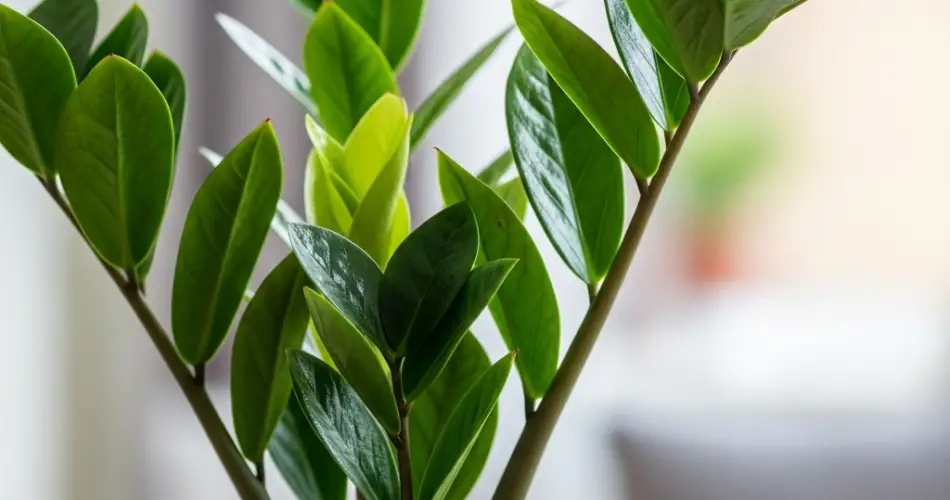
The ZZ plant (Zamioculcas zamiifolia) has become a favorite among indoor plant enthusiasts — and for good reason. Known for its glossy, dark green leaves and impressive resilience, the ZZ plant is perfect for those new to gardening or anyone looking for a low-maintenance houseplant. It tolerates low light, infrequent watering, and can survive in a variety of indoor environments. If you’ve never grown a plant before but want something attractive and nearly foolproof, the ZZ plant is an excellent choice. This guide will help you raise a ZZ plant successfully, even if you have zero gardening experience.
What Makes the ZZ Plant Ideal for Beginners?
The ZZ plant is native to East Africa and has evolved to survive in tough conditions. Its waxy, thick leaves store water, allowing it to withstand droughts that would stress other plants. This natural durability means:
-
It thrives in low to medium light.
-
It can go weeks without water.
-
It’s resistant to most pests and diseases.
-
It grows slowly but steadily, so it won’t overwhelm your space.
Because of these traits, the ZZ plant is a perfect “starter plant” for anyone hesitant about plant care.
Choosing the Right Pot and Soil
Start with the right foundation:
-
Pot: Choose a container with drainage holes to prevent waterlogging. ZZ plants hate sitting in soggy soil.
-
Soil: Use a well-draining potting mix designed for indoor plants or succulents. You can mix regular potting soil with perlite or sand to improve drainage.
Proper drainage is key to avoid root rot, the most common problem with ZZ plants.
Where to Place Your ZZ Plant
Light conditions are flexible with ZZ plants, but they do best in:
-
Bright, indirect light. A spot near a window with filtered sunlight is ideal.
-
They also tolerate low light, making them perfect for offices or rooms with little natural light.
-
Avoid direct sunlight, which can scorch the leaves.
If your home has very low light, the ZZ plant will still survive but may grow more slowly.
Watering Your ZZ Plant the Right Way
One of the biggest mistakes beginners make is overwatering. ZZ plants store water in their rhizomes, so they don’t need frequent watering.
-
Water only when the top inch or two of soil feels dry.
-
Typically, watering once every 2-3 weeks is enough.
-
When you water, do so thoroughly until water drains from the bottom of the pot.
-
Empty any excess water from the saucer to prevent roots sitting in water.
Remember, it’s better to underwater than overwater your ZZ plant.
Feeding and Fertilizing
ZZ plants don’t require much feeding but will benefit from occasional fertilization.
-
Use a balanced, water-soluble fertilizer diluted to half strength.
-
Feed your plant once every 2-3 months during the growing season (spring and summer).
-
Avoid fertilizing in the fall and winter when growth naturally slows.
Pruning and Cleaning Your ZZ Plant
Though low-maintenance, your ZZ plant will appreciate some simple care to keep it looking its best.
-
Remove any yellow or damaged leaves by cutting them at the base.
-
Wipe leaves occasionally with a damp cloth to remove dust and help the plant breathe.
-
ZZ plants grow slowly, so pruning is rarely needed unless you want to shape it.
Propagating Your ZZ Plant
If you want more ZZ plants, propagation is straightforward but requires patience.
-
Leaf cuttings: Cut a healthy leaf and place it in water or soil. Roots will develop slowly over months.
-
Division: When repotting, you can separate rhizomes (thick underground stems) into new plants.
Because ZZ plants grow slowly, don’t expect rapid propagation, but it’s a rewarding process to try.
Dealing with Common Problems
Even the resilient ZZ plant can face issues if care is off.
-
Yellow leaves: Usually a sign of overwatering or poor drainage.
-
Leggy growth: Insufficient light can cause stems to stretch. Move to a brighter spot.
-
Pests: ZZ plants rarely get pests, but watch for mealybugs or spider mites. Wipe leaves or use insecticidal soap if needed.
With minimal care adjustments, your ZZ plant will bounce back quickly.
Safety Note
While ZZ plants are great indoor companions, they are toxic if ingested. Keep them out of reach of pets and small children to avoid any accidental chewing.
Tips for Long-Term ZZ Plant Success
-
Avoid sudden changes in light or temperature.
-
Repot every 2-3 years to refresh soil and give roots room to grow.
-
Be patient; ZZ plants grow slowly but will reward you with graceful, glossy leaves over time.
-
Enjoy the clean, modern look ZZ plants bring to your home or office.
Conclusion
Raising a ZZ plant without any previous gardening experience is entirely doable. Thanks to its adaptability, drought tolerance, and minimal care requirements, the ZZ plant is an excellent choice for anyone new to plants. By choosing the right pot and soil, watering sparingly, providing indirect light, and occasionally feeding and cleaning, you’ll cultivate a thriving, beautiful houseplant that adds life and style to your space.
Start with a ZZ plant today and discover how easy and satisfying plant care can be — no green thumb required!


