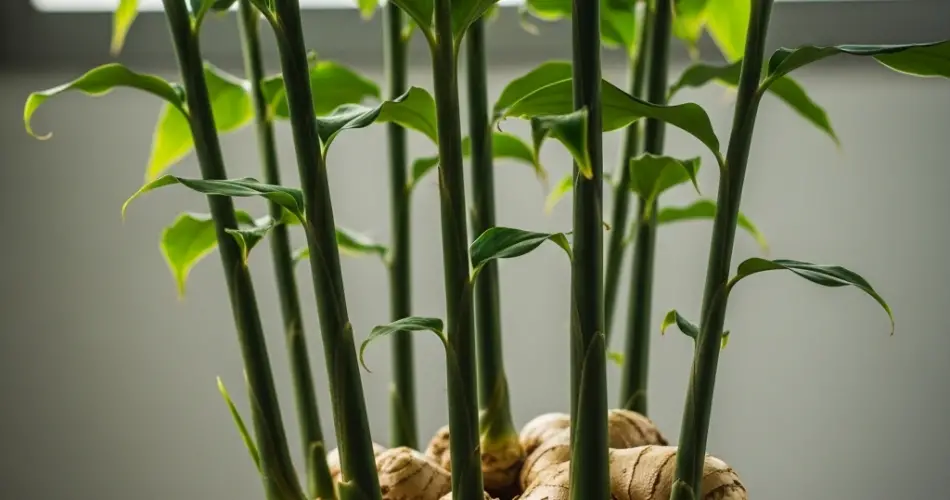
Ginger is one of the easiest and most rewarding plants to grow, even for beginners with zero gardening experience. With just a small space, basic tools, and some patience, you can cultivate your own fresh, flavorful ginger at home—whether in a backyard, balcony, or windowsill.
Here’s a step-by-step guide to growing ginger successfully, no green thumb required.
1. Understand How Ginger Grows
Ginger isn’t grown from seeds like many other plants. It’s propagated from a rhizome, the thick underground stem you typically see in stores. That knobby root-like structure is actually where new shoots and roots emerge.
When planted in the right conditions, a single piece of ginger can develop into a lush plant with multiple new rhizomes, ready for harvest in a few months.
2. Start With Store-Bought Ginger—Carefully
You don’t need anything fancy to begin. Grocery store ginger can work just fine. Choose a piece that is fresh, plump, and firm, with visible “eyes” or small bumps—these are where new shoots will sprout.
Avoid shriveled or moldy ginger. Some store-bought ginger may be treated with growth inhibitors to extend shelf life. To improve your chances, soak the ginger in warm water overnight before planting to remove any residual chemicals.
3. Prepare the Ideal Growing Conditions
Ginger thrives in warm, humid environments with indirect sunlight. Direct afternoon sun can scorch the leaves, so choose a partially shaded location outdoors, or place the plant near a bright window indoors.
Ideal temperature range: 20°C to 30°C (68°F to 86°F).
Use a wide, shallow container if growing in pots. Ginger grows horizontally, so it needs room to spread. Make sure your pot has good drainage.
4. Use the Right Soil
Ginger prefers loose, well-draining, fertile soil rich in organic matter. A mix of garden soil, compost, and a bit of sand or perlite works well.
Avoid compacted or clay-heavy soil, which can retain too much moisture and cause rot.
5. Plant Your Ginger Properly
-
Break or cut the ginger into 2–3 inch sections, making sure each piece has at least one eye.
-
Let the cut sections dry for a day or two to form a protective callus. This helps prevent rot.
-
Plant the pieces eye-side up, about 1 inch below the soil surface.
-
Space them 6–8 inches apart if planting multiple pieces.
Water gently after planting, just enough to moisten the soil.
6. Water and Feed With Care
Ginger likes consistently moist soil, but not soggy. Water lightly whenever the top inch of soil feels dry. Overwatering is one of the most common mistakes for beginners, so it’s better to err on the side of caution.
Feed your ginger plant every 4–6 weeks with a balanced organic fertilizer or compost tea. As it grows, you’ll notice new leafy shoots emerging from the soil—this is a sign the rhizomes are developing well.
7. Encourage Healthy Growth
Keep an eye on your ginger for any signs of yellowing leaves or mold. These may indicate overwatering or poor drainage. If you notice slow growth or pale leaves, your plant may need more nutrients or slightly more light.
You can gently mound a bit more soil around the base of new shoots as they grow. This helps support stem growth and encourages bigger rhizomes.
8. Be Patient—Ginger Takes Time
Ginger is a slow grower. While you can start harvesting small pieces after about 4–5 months, it typically takes 8–10 months for the rhizomes to fully mature.
Wait until the leaves begin to yellow and die back—this is a natural sign that the plant is ready for harvest. Carefully dig up the rhizomes, shake off excess soil, and rinse them clean.
9. Harvest and Replant
When harvesting, you can cut off a portion of the rhizome and replant the rest to keep the cycle going. If you harvested outdoors, move the rhizome indoors before winter, as ginger is sensitive to cold temperatures.
Freshly harvested ginger can be stored in the refrigerator or dried and ground for long-term use.
10. Enjoy Your Homegrown Ginger
There’s nothing quite like the aroma and flavor of fresh ginger from your own garden. Use it in tea, stir-fries, smoothies, or baked goods. The leaves can also be used for infusions or as a fragrant addition to cooking.
Even if you have limited space or no gardening background, growing ginger is simple, low-maintenance, and satisfying. Once you’ve done it once, you’ll be hooked.
Growing ginger is proof that you don’t need experience, a big yard, or expensive tools to start gardening. With a bit of attention and patience, you’ll soon enjoy the rewards of your first successful harvest—and be inspired to grow even more.


