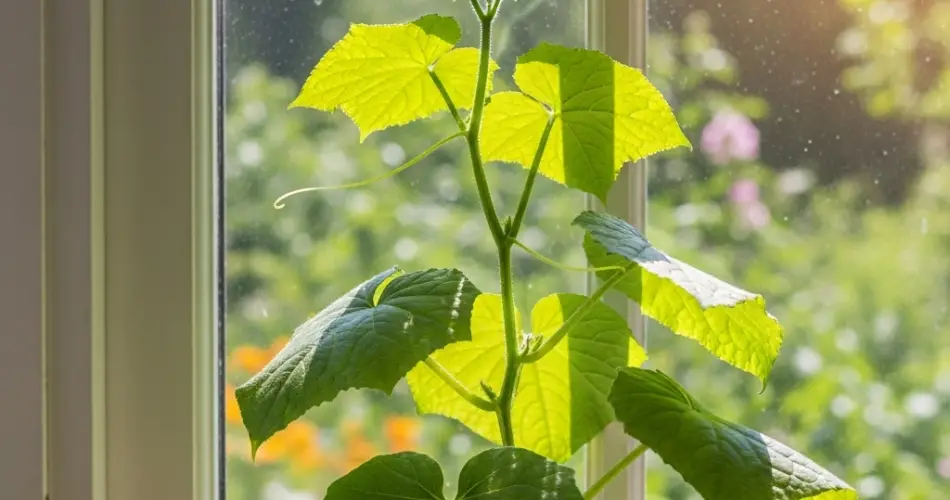
Cucumbers are a refreshing and nutritious addition to any meal, and growing them at home is easier than you might think. Even without a backyard or garden, you can enjoy a steady supply of fresh cucumbers by growing them in containers right on your sunny windowsill. With a little planning and the right care, you can maximize your cucumber yield in even the smallest space.
Whether you’re a beginner or just looking to make the most of your indoor gardening efforts, this guide will walk you through how to grow productive cucumber plants in containers.
Why Grow Cucumbers Indoors?
Cucumbers thrive in warmth and sunlight, which makes a bright windowsill an ideal location. Growing them indoors protects them from pests, fluctuating weather, and gives you better control over growing conditions. Additionally, indoor cucumber varieties are bred specifically for compact growth and high productivity in containers.
Choosing the Right Cucumber Variety
Not all cucumbers are well-suited for container growing. Look for compact or bush-type varieties, which require less space and grow well in confined conditions. Good options include:
-
Bush Champion
-
Patio Snacker
-
Spacemaster
-
Salad Bush
These varieties are specifically bred for smaller spaces and do not require sprawling garden beds.
Selecting the Right Container
Cucumbers have deep root systems, so choose a container that’s at least 12 inches deep and 12–14 inches wide. A larger container helps retain moisture and supports healthy root development. Make sure the pot has good drainage holes at the bottom to prevent waterlogging.
Consider using a lightweight plastic or resin container for easy movement, or place a tray underneath to catch excess water if it’s positioned indoors.
The Ideal Potting Mix
Use a rich, well-draining potting mix rather than regular garden soil. A high-quality mix that includes compost, perlite, and peat moss or coconut coir will keep the soil light and well-aerated while retaining necessary moisture.
You can also mix in a slow-release organic fertilizer at the time of planting to give your cucumbers a strong start.
Planting Your Cucumbers
Cucumbers can be started from seed or transplants. Starting from seed is more affordable and just as effective.
-
Fill the container with potting mix, leaving about an inch of space at the top.
-
Plant seeds about ½ inch deep, 2–3 inches apart. Once seedlings appear and grow a few inches tall, thin them to one or two strong plants per container.
-
Water gently after planting, ensuring the soil is evenly moist.
Place the container on a windowsill that receives at least 6–8 hours of direct sunlight daily. South-facing windows are usually best.
Supporting Your Plants
Even compact cucumber varieties may produce vines that benefit from some support. Add a small trellis, bamboo sticks, or vertical mesh inside the container to guide the vines upward. Vertical growing saves space, improves air circulation, and helps prevent disease.
Train the vines by gently tying them to the support as they grow, using soft plant ties or twine.
Watering and Feeding
Cucumbers need consistently moist soil, especially during flowering and fruiting stages. Water when the top inch of soil feels dry. Avoid letting the soil dry out completely, as this can stress the plant and reduce yield.
Feeding your cucumber plants is essential for maximizing production:
-
Use a balanced liquid fertilizer every two weeks once the plant starts flowering.
-
Alternatively, apply an organic tomato or vegetable fertilizer formulated for fruiting plants.
Avoid over-fertilizing, as this can lead to lush foliage but fewer fruits.
Pollination Indoors
In outdoor gardens, bees and insects help with pollination, but on a windowsill, you may need to help the process along manually.
Use a soft brush or cotton swab to transfer pollen from the male flowers (which appear first and lack a small swelling behind the bloom) to the female flowers (which have a tiny cucumber-like bulge). Gently dab the pollen into the center of the female flower for successful pollination.
Some indoor varieties are parthenocarpic, meaning they can produce fruit without pollination—ideal for indoor growing.
Harvesting Cucumbers
Cucumbers grow quickly once they start producing. Check the plants daily and harvest when they are firm, green, and about 6 to 8 inches long, depending on the variety. Regular harvesting encourages the plant to keep producing more cucumbers.
Use scissors or a sharp knife to cut the cucumbers from the vine—don’t pull them off, as that could damage the plant.
Common Issues to Watch For
-
Yellowing leaves: Often due to overwatering or nutrient imbalance.
-
Powdery mildew: Can occur in humid environments. Improve airflow and avoid wetting the leaves when watering.
-
No fruit despite flowers: Could be due to lack of pollination or stress from inconsistent watering.
Final Thoughts
Growing cucumbers on your sunny windowsill is both satisfying and productive. With the right variety, container, and care, you can enjoy a bountiful harvest of crisp, homegrown cucumbers without ever stepping outside. It’s a perfect way to bring a bit of the garden into your home—no backyard required.


