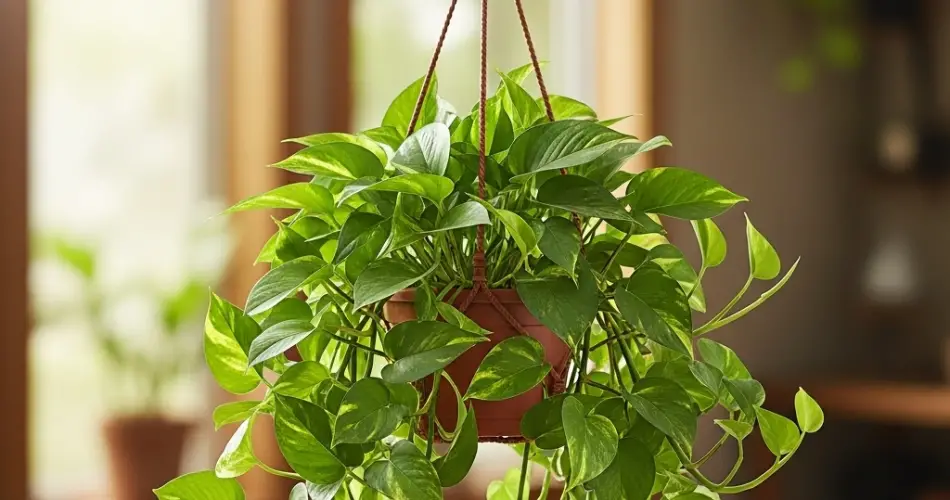
Pothos (Epipremnum aureum) is one of the most versatile and forgiving houseplants, known for its trailing vines, heart-shaped leaves, and ability to thrive in a variety of indoor conditions. While pothos is easy to grow, it can sometimes become leggy, with long stems and sparse foliage. Pruning is a simple but effective technique to encourage bushier, fuller growth and maintain a tidy appearance.
This guide will walk you through the best pruning practices for pothos, explaining how to trim and shape your plant to maximize health, aesthetics, and growth.
Why Pruning Matters
Pruning is more than just a cosmetic task. It has several benefits for pothos plants:
-
Encourages bushier growth: Cutting back long vines stimulates new shoots along the stems.
-
Controls length: Prevents vines from becoming too long or unruly.
-
Removes damage: Eliminates yellowing, brown, or dead leaves that can detract from the plant’s appearance.
-
Improves air circulation: Trimming crowded vines helps prevent fungal problems and keeps leaves healthy.
Regular pruning keeps the plant looking lush while maintaining its vigor. Without pruning, pothos can become sparse at the base, with most leaves concentrated at the vine tips.
Tools and Preparation
Before starting, gather a few essential tools:
-
Sharp, clean pruning shears or scissors
-
Rubbing alcohol or disinfectant to sterilize your tools
-
Optional: gloves to protect your hands from sap
Sterilizing your cutting tools reduces the risk of spreading disease or pests between plants.
When to Prune Pothos
Pothos can be pruned at any time of the year, but doing so during the plant’s active growing season—spring and summer—yields the best results. During this period, the plant is actively producing new leaves and vines, making it more resilient to pruning stress.
Pruning in fall or winter is possible but may result in slower regrowth due to reduced growth rates during cooler months.
Step-by-Step Pruning Guide
1. Assess Your Plant
Examine your pothos to identify long, leggy stems or areas where leaves are sparse. Also, look for yellowing, brown, or damaged leaves that need removal.
2. Cut Back Leggy Vines
Using your sterilized shears, trim vines to the desired length. Make cuts just above a leaf node—the point on the stem where a leaf or branch emerges. Cutting above a node encourages the plant to produce new vines from that point, leading to fuller growth.
3. Remove Damaged Leaves
Trim off yellow, brown, or dead leaves at the base of the stem. Removing damaged foliage not only improves appearance but also allows the plant to direct energy to healthy growth.
4. Shape the Plant
For bushier growth, prune strategically to balance the plant’s appearance. Trim longer vines selectively rather than cutting all stems at once. This encourages lateral branching and results in a more uniform, dense plant.
5. Propagate Cuttings (Optional)
Pruned cuttings can be rooted in water or soil to create new plants. Remove leaves from the bottom 1–2 inches of each cutting and place them in a glass of water or directly into moist potting soil. Within a few weeks, roots will form, producing new pothos plants.
Aftercare
Once pruning is complete, continue caring for your plant as usual:
-
Light: Place in bright, indirect light to promote growth, though pothos tolerates lower light conditions.
-
Watering: Water when the top 1–2 inches of soil are dry, avoiding overwatering to prevent root rot.
-
Fertilizing: Feed with a balanced, diluted houseplant fertilizer every 4–6 weeks during the growing season to support new growth.
Monitor your plant over the following weeks. New shoots should begin to emerge from the pruned nodes, gradually producing a fuller, bushier appearance.
Tips for Maintaining Bushy Pothos
-
Regular trimming: Light pruning every 2–3 months keeps the plant full and prevents vines from becoming overly long.
-
Rotate the plant: Turn the pot occasionally to ensure even growth on all sides.
-
Encourage branching: If a vine is too long and sparse, cutting it back will often result in multiple new shoots emerging near the cut, creating a more compact and attractive plant.
Conclusion
Pruning pothos is a simple, effective way to encourage bushier, healthier growth. By removing leggy stems, trimming damaged leaves, and strategically cutting above leaf nodes, you can transform a sparse or unruly pothos into a lush, full houseplant. Regular maintenance not only improves aesthetics but also promotes overall plant health and vigor. With minimal effort and consistent care, your pothos can continue to thrive, trailing beautifully from shelves, hanging baskets, or tabletop containers.


