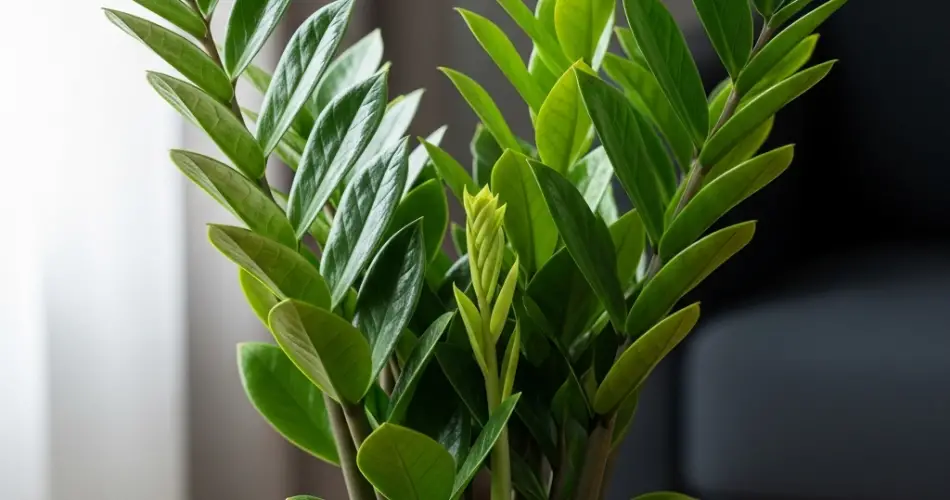
The ZZ plant (Zamioculcas zamiifolia) is a favorite among indoor gardeners for its glossy, dark green leaves, upright growth, and remarkable tolerance of low light and irregular watering. Despite its reputation as a low-maintenance plant, ZZ plants can sometimes exhibit slow growth. While this may be natural—especially in winter—nutrient deficiencies are often a contributing factor. Fertilizing properly can help slow-growing ZZ plants gain strength, maintain lush foliage, and develop steadily over time.
Understanding the type of fertilizer, timing, and application methods is key to boosting ZZ plant growth without causing stress or damage.
Why ZZ Plants Grow Slowly
ZZ plants are inherently slow-growing. In their natural habitat, they survive in rocky, nutrient-poor soils and rely on their water-storing rhizomes to endure drought. Indoors, several factors can contribute to stunted growth:
-
Low light conditions: While ZZ plants tolerate low light, growth is naturally slower in dim environments.
-
Seasonal changes: Growth slows in fall and winter, when the plant enters a semi-dormant state.
-
Nutrient depletion: Over time, potting soil loses its nutrients, limiting leaf expansion and stem development.
-
Improper watering: Overwatering or underwatering can stress the plant and affect its ability to absorb nutrients.
Fertilization provides a controlled way to supplement nutrients, helping the plant overcome these limitations.
Choosing the Right Fertilizer
Selecting the appropriate fertilizer is critical for promoting growth without harming the plant. ZZ plants respond well to:
-
Balanced liquid fertilizers: A formula with equal or slightly higher nitrogen (N) supports healthy leaf development. A common ratio is 10-10-10 or 20-20-20 for general growth.
-
Slow-release fertilizers: Granules that release nutrients gradually reduce the risk of overfertilization and provide consistent nourishment over several months.
-
Diluted organic options: Fish emulsion or worm castings can supply nutrients naturally, though results may be slower compared to commercial fertilizers.
Avoid high-phosphorus fertilizers, which can stress ZZ plants, and always choose a well-balanced option for indoor use.
Fertilizing Schedule
Fertilizing should align with the ZZ plant’s natural growth cycle.
-
Spring and summer: These are the active growth months. Feed the plant every 4–6 weeks with liquid fertilizer diluted to half the recommended strength. If using slow-release fertilizer, one application at the beginning of the season is usually sufficient.
-
Fall and winter: Growth slows naturally during these months. Fertilizing should be reduced or skipped entirely to prevent nutrient buildup, which can damage roots.
Regular observation of the plant’s growth can help adjust the schedule. If the leaves remain dark green and the plant is producing new shoots, your fertilization routine is likely effective.
Proper Application Techniques
Applying fertilizer correctly ensures the ZZ plant receives nutrients without risk:
-
Dilute liquid fertilizer: ZZ plants are sensitive to concentrated nutrients. Always mix fertilizer with water at half the strength recommended on the label.
-
Apply evenly to soil: Pour the solution around the base of the plant, avoiding direct contact with the leaves or rhizomes.
-
Water afterward if needed: Some fertilizers require light watering to help nutrients penetrate the soil.
-
Avoid overfeeding: Excess fertilizer can cause yellowing, leaf burn, or stunted growth. Less is often more with ZZ plants.
Complementary Care for Optimal Growth
Fertilizer alone cannot compensate for suboptimal growing conditions. For best results:
-
Light: Provide bright, indirect light when possible. ZZ plants tolerate low light but will grow faster and fuller with moderate light.
-
Soil and drainage: Use a well-draining potting mix to prevent root rot and allow the plant to absorb nutrients effectively.
-
Watering: Follow the soak-and-dry method. Water deeply and let the soil dry completely before the next watering.
-
Pot size: Avoid overly large containers, as excess soil retains too much water, slowing growth.
When all these factors are aligned, fertilizer becomes a tool that enhances the plant’s natural growth rather than forcing it.
Signs Your ZZ Plant Needs Fertilizer
Watch for subtle indications of nutrient deficiency:
-
Slow or minimal growth during the active season.
-
Pale or yellowing leaves.
-
Weak, thin stems that struggle to support new leaves.
If these signs appear, a carefully applied fertilizer regimen can rejuvenate your ZZ plant.
Final Thoughts
Slow-growing ZZ plants are normal in many indoor settings, but proper fertilization can accelerate growth, strengthen foliage, and support overall vitality. Choosing the right fertilizer, applying it at the correct time, and complementing it with proper light, soil, and watering practices creates the ideal conditions for a healthy, flourishing plant.
By incorporating these fertilization strategies, your ZZ plant can maintain its glossy appearance, produce new leaves steadily, and remain a striking, long-lived addition to your indoor garden.


