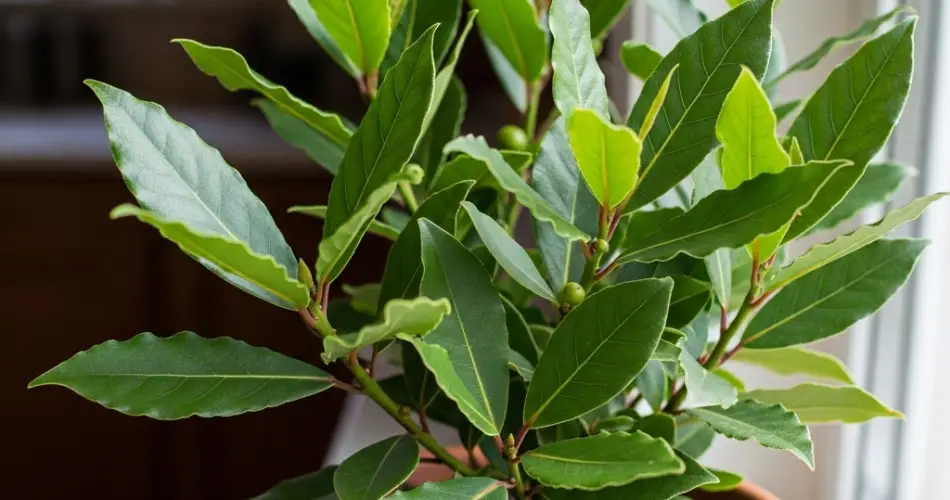
The bay leaf plant, known botanically as Laurus nobilis, is a versatile herb valued for both culinary and ornamental purposes. With its glossy evergreen leaves and subtle fragrance, it can add beauty to patios, balconies, and indoor spaces while providing a steady supply of flavorful leaves for soups, stews, and sauces. When grown in pots, bay plants are relatively easy to care for, but proper pruning and maintenance are essential to keep them healthy, shapely, and productive.
Pruning not only improves the appearance of the plant but also stimulates fresh growth and prevents overcrowding. This guide explains when and how to prune potted bay plants, along with practical maintenance tips to help your plant thrive year-round.
Why Pruning Is Important
Bay plants naturally grow into tall shrubs or small trees, but when cultivated in pots, they need occasional shaping and trimming to prevent them from becoming leggy or overgrown. Pruning offers several benefits:
-
Encourages Bushier Growth: Cutting back long stems promotes branching, leading to a fuller and more compact plant.
-
Maintains Size and Shape: Regular trimming ensures the plant remains manageable and decorative, especially in small spaces.
-
Improves Airflow: Thinning dense sections reduces the risk of pests and fungal problems.
-
Stimulates Fresh Leaves: New shoots produce young, tender leaves that are more aromatic and flavorful in cooking.
When to Prune Bay Leaf Plants
The best time to prune a potted bay plant is in late spring to early summer, after the risk of frost has passed and the plant is actively growing. Pruning during this season allows the plant to recover quickly and encourages robust new growth.
Light maintenance pruning, such as removing dead or damaged leaves, can be done at any time of year. However, avoid heavy pruning in autumn or winter, as the plant’s growth slows down, making recovery slower.
Tools You’ll Need
Before pruning, gather the right tools to ensure a clean and effective job:
-
Sharp pruning shears or scissors for cutting stems cleanly without crushing them.
-
Gloves to protect your hands from any sap or rough stems.
-
A clean cloth and disinfectant to wipe tools between cuts, reducing the spread of disease.
How to Prune Step by Step
-
Start with Dead or Damaged Leaves
Inspect the plant for any yellowing, dried, or diseased leaves and snip them off at the base. Removing these improves overall health and appearance. -
Shape the Plant
Decide whether you want your bay plant to grow as a compact shrub, a small tree, or a topiary-style shape. Trim back long or uneven stems to create a balanced form. -
Encourage Bushiness
To stimulate branching, cut stems just above a leaf node (the point where leaves join the stem). This encourages the plant to send out side shoots. -
Thin Dense Growth
If the center of the plant is crowded, remove a few inner stems to improve airflow and allow light to reach more leaves. -
Avoid Over-Pruning
Never remove more than one-third of the plant at a time. Excessive pruning can stress the plant and slow its recovery.
Maintaining Healthy Growth
Pruning is only one part of caring for a potted bay leaf plant. Consistent maintenance will keep it vigorous and productive.
-
Watering: Bay plants prefer evenly moist soil but dislike waterlogging. Water when the top inch of soil feels dry, and ensure the pot has good drainage.
-
Fertilizing: Feed with a balanced liquid fertilizer every 4–6 weeks during the growing season to support lush foliage.
-
Repotting: Every 2–3 years, refresh the soil and repot the plant into a slightly larger container if roots are becoming crowded.
-
Pest Control: While generally hardy, bay plants can attract scale insects or aphids. Wipe leaves with soapy water or use a mild organic spray if infestations occur.
Harvesting Bay Leaves
One of the joys of growing a bay leaf plant is harvesting your own leaves for cooking. Mature leaves can be picked at any time, but they are most flavorful when cut from new growth that has hardened slightly.
-
Snip individual leaves as needed, rather than stripping large sections.
-
Fresh leaves can be used immediately, while excess leaves can be dried and stored in an airtight container.
-
Regular harvesting also doubles as light pruning, which encourages continuous new growth.
Overwintering Care for Potted Bay Plants
In cooler climates, potted bay plants should be protected from frost. Move them indoors to a bright, cool spot such as a sunroom, greenhouse, or near a sunny window. Reduce watering during the winter months, as growth slows down. Resume normal care in spring when the plant begins to grow actively again.
Final Thoughts
A potted bay leaf plant is both practical and ornamental, bringing greenery and flavor to your home. With regular pruning, shaping, and attentive care, the plant will stay healthy, attractive, and productive for many years. By maintaining the right size, removing dead foliage, and encouraging new growth, you’ll enjoy a continuous supply of fragrant bay leaves while keeping your plant an appealing addition to your indoor or outdoor garden.
Whether you are cultivating it as a compact shrub for the kitchen windowsill or training it into a decorative tree for your balcony, pruning and maintenance will ensure your bay leaf plant remains a long-lasting and rewarding companion.


