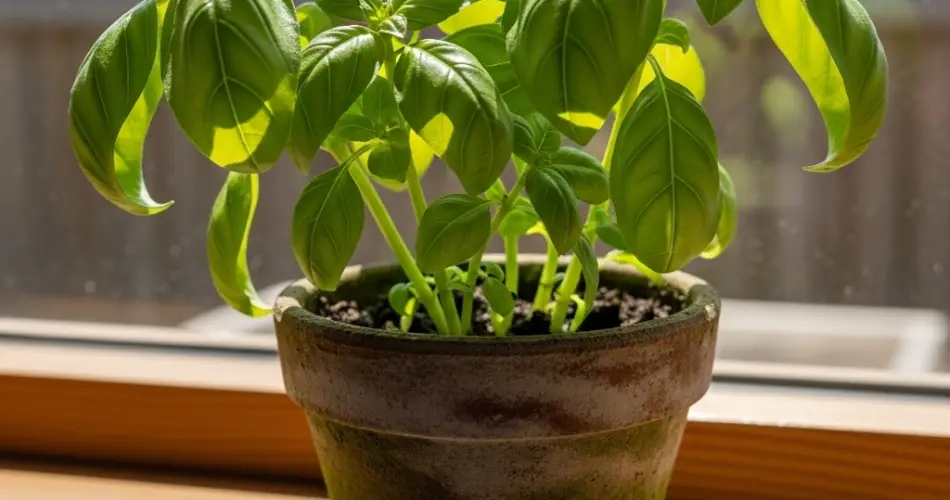
Basil is one of the most popular herbs for home gardeners, valued for its vibrant aroma, rich flavor, and versatility in cooking. While basil grows easily in pots, many people underestimate the importance of regular pruning and maintenance. Without proper care, basil plants can become tall and leggy, produce fewer leaves, or go to seed too early, reducing both yield and flavor. By learning simple pruning techniques and adopting the right maintenance habits, you can keep your potted basil thriving and harvest a continuous supply of fresh leaves throughout the season.
Why Pruning Basil Matters
Pruning is not just about keeping basil neat—it directly influences how much the plant produces. Basil has a natural tendency to grow upward, which can make the stems weak and cause fewer side branches. If left unpruned, the plant will focus its energy on flowering and seed production rather than growing lush, leafy foliage.
Pruning redirects that energy back into leaf growth. Each time you cut above a leaf node, two new stems will emerge, creating a fuller and bushier plant. This means more leaves to harvest and a longer lifespan for your basil.
When to Start Pruning
The best time to begin pruning basil is once the plant reaches about 6 inches in height and has developed at least three to four sets of leaves. Starting early encourages branching and prevents the plant from becoming leggy.
If you’re growing basil from seed, pruning may be possible as early as three to four weeks after germination. For young plants purchased from a nursery, you can usually begin pruning shortly after transplanting them into pots, as long as they’ve had a few days to settle in.
The Correct Way to Prune Basil
Pruning basil may sound intimidating, but it’s simple once you know where to cut. Always prune just above a pair of leaves or a leaf node. This encourages two new stems to grow from that point, creating a fuller plant.
Here’s a step-by-step method:
-
Identify a stem that has grown at least 4–6 inches tall.
-
Find a set of healthy leaves below the top growth.
-
Using clean scissors or your fingers, snip the stem about ¼ inch above the leaf node.
This cut signals the plant to produce two new stems, doubling the future yield. Repeat this process across the plant, focusing on stems that are stretching upward more than others.
How Often to Prune Basil
Consistency is key. Basil can be pruned every one to two weeks during the active growing season. Regularly cutting back the top growth prevents the plant from flowering too early and ensures continuous leaf production.
If you harvest leaves frequently for cooking, you are naturally pruning the plant at the same time. Just be mindful not to strip the plant bare—always leave enough foliage so it can continue photosynthesizing and producing energy.
Managing Basil Flowers
One of the most important parts of basil maintenance is dealing with flowers. Basil naturally wants to flower and set seed, but once it does, the leaves become less tender and may take on a bitter taste.
To prevent this, pinch off flower buds as soon as you notice them forming. Removing flowers redirects energy back into leaf production. If a few flowers slip by, don’t worry—just trim them off promptly to keep the plant productive.
Watering and Fertilizing for Healthy Growth
Pruning works best when paired with proper care. Basil thrives in moist but well-draining soil. Water your potted basil whenever the top inch of soil feels dry, being careful not to overwater. Excess water can cause root rot, while underwatering leads to drooping leaves and reduced yields.
In terms of fertilizing, basil benefits from regular feeding since pruning stimulates new growth. Use a balanced, water-soluble fertilizer or an organic option like liquid seaweed every two to three weeks during the growing season. This provides the nutrients needed for lush foliage without overwhelming the plant.
Additional Maintenance Tips
Beyond pruning, a few extra maintenance practices will keep your basil thriving:
-
Rotate your pots: Turn your basil pots every few days to ensure even sunlight exposure and prevent the plant from leaning.
-
Thin crowded plants: If multiple basil seedlings were planted in one pot, thin them out to give each plant enough room to grow. Overcrowding leads to poor airflow and reduced leaf production.
-
Check for pests: Common basil pests include aphids and spider mites. Inspect leaves regularly and treat infestations early with gentle, organic methods like insecticidal soap.
-
Harvest regularly: Frequent use of basil in cooking naturally helps maintain the plant. Regular harvesting is just another form of pruning.
Harvesting Basil for Maximum Yield
When it comes to harvesting, the same pruning principles apply. Always harvest from the top, cutting just above a leaf node to encourage more branching. Try not to take more than one-third of the plant at a time, as overharvesting can stress the plant and slow regrowth.
Harvesting in the morning, when the leaves are at their most flavorful, gives you the freshest basil for your recipes. Whether you’re adding it to salads, sauces, or homemade pesto, freshly harvested basil elevates any dish.
Final Thoughts
Pruning and maintaining potted basil doesn’t require advanced gardening skills—just a little attention and consistency. By starting pruning early, cutting above leaf nodes, removing flowers, and providing proper care, your basil plants will reward you with abundant, aromatic leaves for months.
With the right techniques, a single potted basil plant can supply enough fresh herbs to enhance your cooking all season long. From a simple container to your kitchen plate, basil is one of the easiest and most satisfying herbs to grow when maintained properly.


