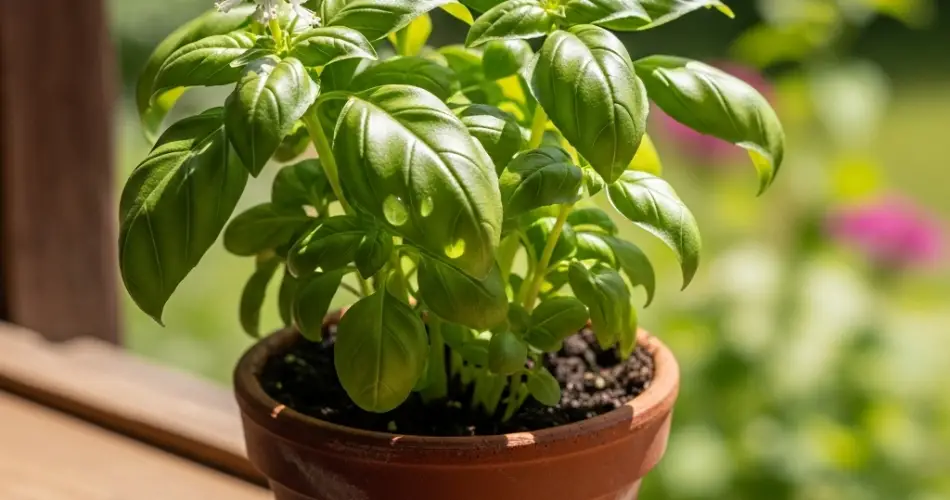
Basil is one of the most popular herbs for home gardeners. Its fresh, aromatic leaves are not only delicious but also easy to grow, even for beginners. While basil thrives in garden beds, many people choose to grow it in pots because of limited space, convenience, or the desire to keep it close at hand in the kitchen. With the right care, basil in pots can produce an abundant harvest throughout the growing season. To succeed, you need to focus on three essentials: light, soil, and water.
Choosing the Right Container
Before diving into light and soil needs, it’s important to pick the right pot. Basil roots don’t grow very deep, but they do spread, so a container that’s at least 6–8 inches wide and has proper drainage holes is best. Good drainage is non-negotiable since basil is sensitive to waterlogged soil. Clay pots are a popular choice because they allow the soil to breathe, but plastic or ceramic pots can work just as well as long as you monitor moisture carefully.
If you plan to grow more than one basil plant, consider using a larger pot to give each plant enough room to expand. Crowding too many seedlings together can lead to competition for nutrients and water, resulting in weaker growth.
Light: Basil’s Source of Energy
Basil is a sun-loving herb. To thrive, it requires at least 6 hours of direct sunlight every day. The more light basil gets, the stronger and bushier it becomes. If you’re growing basil outdoors, place the pot in the sunniest spot available, such as a south-facing balcony, windowsill, or patio.
For those growing basil indoors, a bright windowsill may be enough, but in low-light homes, a grow light is a valuable investment. Position the grow light about 6–12 inches above the plant and keep it on for 12–14 hours daily. Adequate light not only boosts leaf production but also enhances flavor, giving your basil that rich, fragrant aroma it’s known for.
In extremely hot climates, basil can sometimes suffer from leaf scorch. To prevent this, you can move your pot to a location that provides morning sun and afternoon shade. This balance protects the leaves while still giving the plant the energy it needs.
Soil: The Foundation of Healthy Basil
The soil you choose is just as important as sunlight. Basil prefers well-draining, nutrient-rich soil with a slightly acidic to neutral pH (6.0–7.0). Standard potting mixes designed for vegetables or herbs usually work well. For added nutrition, mix in a small amount of organic compost before planting. This enriches the soil and encourages strong, vibrant growth.
Avoid using heavy garden soil, which can compact in containers and hold too much water. Compacted soil limits root development and makes it difficult for basil to absorb nutrients. A light and airy potting mix allows roots to breathe and grow freely.
To maintain long-term fertility, consider refreshing the soil each season or adding a slow-release organic fertilizer. Basil is a fast grower, and potted plants quickly use up the available nutrients.
Watering: Striking the Right Balance
Watering basil correctly is one of the most crucial aspects of care. Basil enjoys moist but not soggy soil. A simple way to know when to water is by checking the top inch of soil—if it feels dry, it’s time to water.
When watering, do so thoroughly, allowing water to soak down to the roots. Let the excess drain out of the bottom of the pot; never let the container sit in standing water. In hot summer weather, you may need to water daily, while in cooler or more humid conditions, every two to three days may be sufficient. Always adjust based on your local climate and the plant’s needs rather than sticking to a fixed schedule.
Another helpful tip is to water in the morning. Morning watering ensures the plant has enough moisture during the day when it’s actively photosynthesizing. It also gives the soil time to dry slightly before nighttime, reducing the risk of fungal issues.
Supporting Healthy Growth
Light, soil, and water form the foundation of basil care, but there are a few additional practices that make a big difference. Pruning and harvesting regularly keep the plant bushy and productive. Always cut stems just above a set of leaves to encourage new branches. Removing flower buds as soon as they appear is also important, as flowering shifts the plant’s energy from leaf production to seed development.
Fertilizing every few weeks with a diluted liquid fertilizer or compost tea keeps basil growing vigorously. Be careful not to over-fertilize, as this can cause leaves to lose some of their strong flavor.
Finally, keep an eye out for pests such as aphids or spider mites. Because basil is often grown close to the kitchen, avoid harsh chemical sprays. A gentle rinse with water or an application of insecticidal soap usually solves the problem.
Final Thoughts
Growing basil in pots is rewarding and practical, giving you a fresh supply of leaves right where you need them. By paying attention to light, soil, and water—the three pillars of basil care—you can enjoy a thriving plant that provides flavorful harvests for months. With just a bit of attention and consistent care, your potted basil will flourish, bringing both beauty and freshness to your meals.


