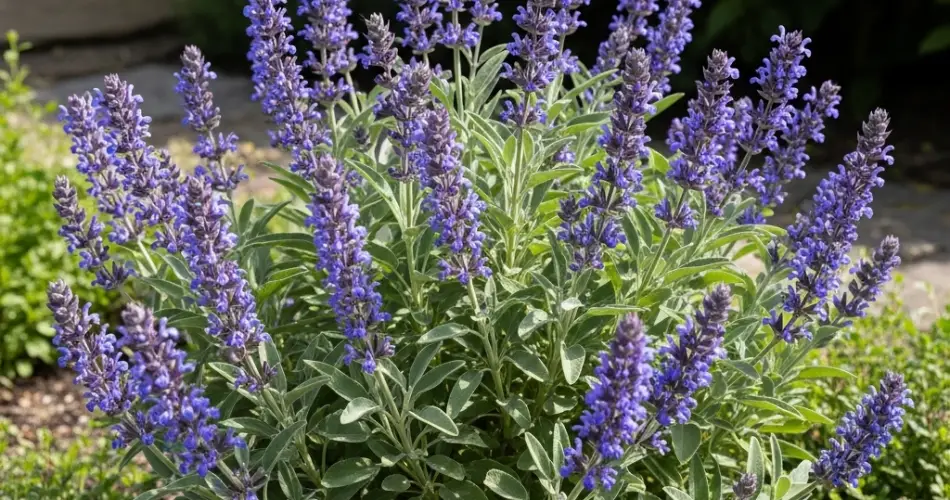
Sage is a versatile and aromatic herb that’s as useful in the kitchen as it is beautiful in the garden. However, like many plants, sage can be vulnerable to powdery mildew—a common fungal disease that appears as a white, powdery coating on leaves. Left untreated, powdery mildew can weaken the plant, reduce harvests, and eventually kill it.
The good news is that powdery mildew on sage is preventable and treatable. With the right care and growing conditions, you can keep your sage plants healthy and mildew-free throughout the season.
What Is Powdery Mildew?
Powdery mildew is a fungal disease caused by several types of fungi in the order Erysiphales. It typically appears as white or grayish powdery spots on the leaves, stems, and sometimes even flowers of the plant. Over time, these spots can spread and cover entire leaves, leading to yellowing, curling, and leaf drop.
Although it rarely kills sage outright, it does reduce the plant’s vigor, essential oil content, and overall productivity—making prevention and early treatment important for any herb gardener.
Why Sage Gets Powdery Mildew
Powdery mildew thrives in warm, dry conditions with poor airflow and high humidity around the plant. These are common issues in tightly packed herb gardens or indoor setups with limited ventilation.
Several key factors increase the risk:
-
Overhead watering that keeps leaves damp
-
Crowded plants with little space between them
-
Poor air circulation
-
Shade or partial sun exposure
-
Nutrient imbalances or overly rich soil
Understanding these conditions can help you modify your garden environment to discourage mildew growth.
Preventing Powdery Mildew on Sage
Prevention is always easier than treatment. If you’re growing sage, follow these essential tips to keep mildew at bay:
1. Ensure Proper Spacing
Give each sage plant enough room to grow without touching its neighbors. Aim for at least 18–24 inches between plants. This improves airflow and reduces the chance of fungal spores settling on moist leaves.
2. Water at the Base
Avoid watering from above, as wet leaves are more prone to fungal infections. Use a soaker hose or water directly at the base of the plant. Water in the morning so excess moisture evaporates quickly.
3. Plant in Full Sun
Sage loves sunshine. Growing it in a sunny location (at least 6 hours of direct light daily) keeps the leaves dry and discourages fungal growth. Powdery mildew tends to thrive in shaded, cool spots.
4. Avoid Overfertilizing
Too much nitrogen can lead to soft, lush growth that is more vulnerable to mildew. Use a balanced fertilizer sparingly, or consider adding compost to enrich the soil naturally without encouraging weak foliage.
5. Improve Air Circulation
Keep the surrounding area free from weeds and other dense vegetation. If growing sage in a container indoors, consider using a small fan to promote airflow around the plant.
Natural Remedies for Early Infections
If you notice powdery mildew starting to form on your sage, act quickly to stop it from spreading. Mild infections can often be treated effectively with natural, DIY solutions:
1. Baking Soda Spray
Mix 1 tablespoon of baking soda, 1/2 teaspoon of liquid soap (not detergent), and 1 liter of water. Spray the solution on affected leaves every few days. This changes the leaf surface pH, making it inhospitable to fungi.
2. Milk Spray
A mixture of 1 part milk to 2 parts water, sprayed every 7–10 days, can be surprisingly effective against powdery mildew. The proteins in milk interact with sunlight to produce an antifungal effect.
3. Neem Oil
Neem oil is a natural fungicide and insect repellent. Mix according to the package instructions and spray on the leaves weekly. It works both preventively and curatively.
Always test any spray on a small section of the plant before full application to avoid potential leaf burn.
Pruning and Disposal
If mildew is widespread, prune off the most heavily infected leaves. Use clean, sharp scissors or shears, and disinfect them before and after cutting to avoid spreading the fungus. Dispose of the infected plant material in the trash—never compost it, as the fungal spores may survive and reinfect your plants later.
When to Replace the Plant
If sage is heavily infected and not responding to treatment, it may be best to remove and discard the plant entirely. Let the soil rest or solarize it, then replant with healthy seedlings in a new location, applying the prevention techniques from the start.
Final Thoughts
Powdery mildew can be frustrating, especially when it affects flavorful herbs like sage. Fortunately, with the right growing conditions, watering practices, and early intervention, you can protect your sage and enjoy fresh, fragrant leaves throughout the growing season. Whether you grow sage in a raised bed, container, or windowsill, a little attention to airflow and sunlight can go a long way in keeping powdery mildew at bay.


