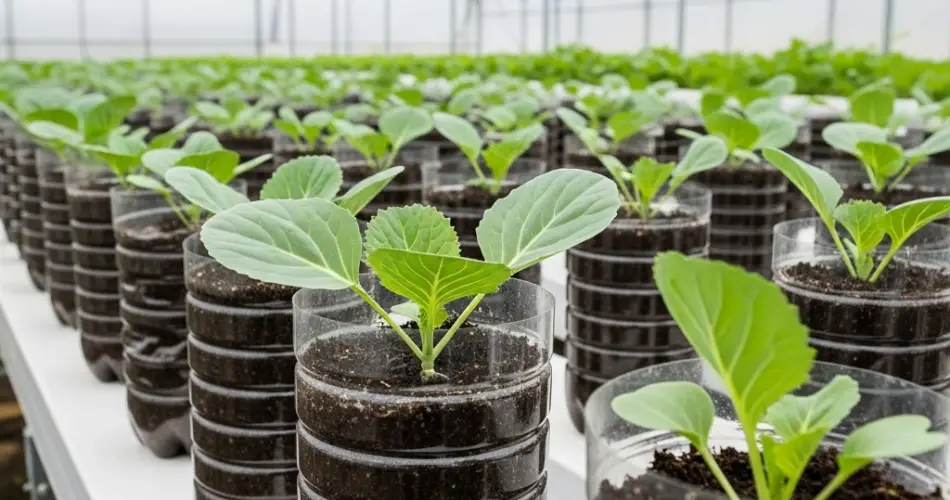
If you’re short on space but want to grow cabbage at home, using recycled plastic bottles to create mini greenhouses is a clever, cost-effective solution. This method is perfect for small gardens, balconies, or even indoor setups with access to sunlight. The mini greenhouses help maintain moisture, protect young plants, and create a microclimate ideal for cabbage propagation.
Here’s a step-by-step guide on how to propagate cabbage using cut plastic bottles:
Materials Needed:
-
Cabbage seeds or cabbage leaf cuttings with visible nodes
-
Clear plastic bottles (1.5 to 2-liter soda bottles work well)
-
Utility knife or scissors
-
Potting soil or seed-starting mix
-
Small pots, recycled containers, or garden soil
-
Water
-
Optional: organic fertilizer or compost
Step 1: Prepare the Bottles
Begin by thoroughly cleaning your plastic bottles. Rinse them to remove any residues, especially if they previously contained sugary drinks. Use a sharp knife or scissors to cut each bottle in half. The bottom part will serve as the pot for planting, while the top half (with the cap on) will act as a humidity dome.
Make small drainage holes in the base of the bottle to prevent water from pooling and causing root rot. If your bottle has a label, remove it to allow maximum light penetration.
Step 2: Prepare the Soil
Fill the bottom halves of the bottles with potting soil or a seed-starting mix. Make sure the soil is light, well-draining, and slightly moist. You can enrich the soil with a bit of compost or worm castings to promote healthy growth.
If you’re using garden soil, mix it with some sand or coco coir to improve drainage and aeration.
Step 3: Propagate from Seeds or Leaf Cuttings
From Seeds:
Plant 2–3 cabbage seeds about 0.5 cm deep in the center of each bottle base. Lightly cover with soil and water gently.
From Cuttings:
If using cabbage leaf cuttings, choose healthy leaves with a bit of stem and a visible node or root nubs. Place the base of the leaf or cutting slightly into the soil and press gently to anchor it.
Water lightly to moisten the soil but avoid soaking it.
Step 4: Install the Mini Greenhouse
Take the top half of the bottle and fit it over the planted bottom half to create a dome. Keep the cap on to retain humidity during the early stages. This setup functions like a greenhouse, trapping moisture and warmth to accelerate germination and rooting.
Position the bottles in a sunny area—either on a balcony, windowsill, or outdoors where they can receive 4 to 6 hours of sunlight daily. If the sunlight is too intense, provide some light shade to prevent overheating.
Step 5: Maintain Moisture and Ventilation
Check the soil daily to ensure it stays moist but not soggy. Condensation on the inside of the bottle is a good sign—it’s an indicator that the humidity level is high enough for growth. If there’s too much moisture, remove the cap for a few hours or tilt the dome slightly to allow air circulation.
Once the seedlings appear or the cuttings start forming new roots and leaves, begin gradually removing the cap during the day. This hardens off the young plants and helps them adjust to outdoor conditions.
Step 6: Transplant When Ready
After 3 to 4 weeks, when the seedlings have grown a few sets of true leaves or the cuttings have developed roots, it’s time to transplant them.
Carefully remove the dome and gently lift the young cabbage plant from the bottle. Transplant it into a larger pot, garden bed, or raised crate filled with fertile soil. Be sure to water thoroughly after transplanting and keep the area shaded for a day or two to help the plant adapt.
If space is limited, cabbage also grows well in containers with at least 8–10 inches of depth.
Bonus Tips for Success
-
Water regularly but avoid waterlogging the soil.
-
Feed your cabbage plants with compost tea or diluted organic fertilizer every two weeks.
-
Watch out for pests like aphids or caterpillars. Use neem oil or garlic spray as a natural deterrent.
-
If you’re growing in a hot climate, partial shade in the afternoon can help prevent bolting.
Final Thoughts
Propagating cabbage using cut plastic bottles is an excellent way to recycle and garden sustainably. The mini greenhouse effect accelerates germination and protects delicate seedlings or cuttings during their most vulnerable stage. With a little care and consistency, you’ll soon have robust cabbage plants ready to move into larger containers or your backyard garden.