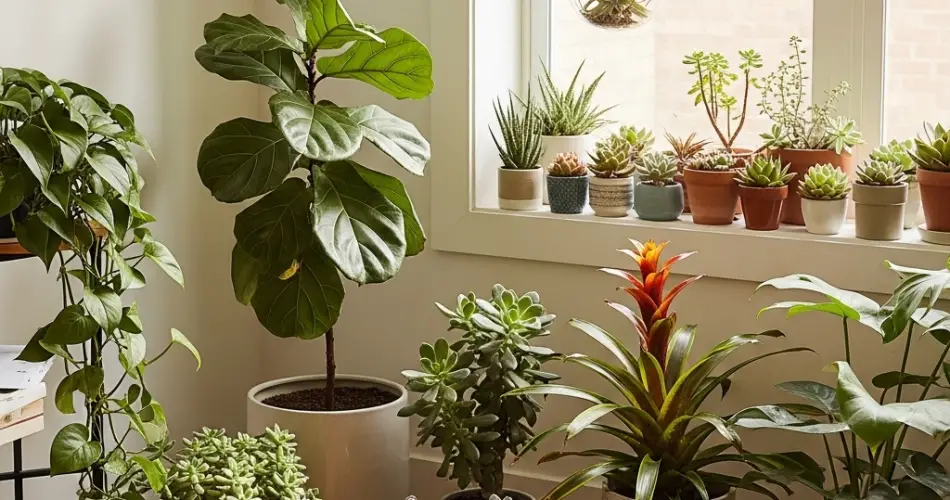
Indoor plants bring life, color, and freshness to any home. However, without proper care, they can quickly develop problems that affect their health and appearance. Wilting leaves, yellowing, pests, and slow growth are some of the issues indoor gardeners often face. Fortunately, many of these problems are avoidable with the right habits and knowledge.
Whether you’re growing tropical foliage, herbs, or decorative houseplants, this guide shares essential tips to help your indoor plants thrive and stay healthy, avoiding common pitfalls in gardening, even in small spaces like apartments or urban gardens.
Common Problems with Indoor Plants and How to Prevent Them
1. Overwatering or Underwatering
One of the most frequent mistakes is improper watering. Both overwatering and underwatering can cause leaf yellowing, wilting, root rot, or dry brown tips.
-
Prevention: Always check the soil moisture before watering. Stick your finger about an inch deep into the soil; if it feels dry, it’s time to water. For most indoor plants, watering once a week is enough, but this varies by species and environmental conditions.
-
Ensure pots have drainage holes to allow excess water to escape. Use well-draining potting soil to prevent waterlogging.
2. Insufficient or Excessive Light
Light is critical for photosynthesis, but not all plants require the same amount. Too little light causes leggy growth, weak stems, and dull leaves. Too much direct sun can scorch leaves and cause discoloration.
-
Prevention: Identify your plant’s light needs. Place low-light plants like snake plants and pothos in shaded corners, and high-light plants like succulents near bright windows.
-
Rotate plants regularly to ensure even light exposure and prevent uneven growth.
3. Poor Air Circulation
Stagnant air encourages fungal diseases and pest infestations.
-
Prevention: Keep indoor plants in areas with good air circulation. Avoid overcrowding pots. Open windows periodically or use a fan to improve airflow, especially in humid climates.
4. Pest Infestations
Common pests like spider mites, aphids, mealybugs, and scale can damage leaves and stunt growth.
-
Prevention: Inspect plants regularly, especially the undersides of leaves. Quarantine new plants before introducing them to your collection. If pests are detected, treat them promptly with natural insecticidal soap or homemade remedies.
5. Nutrient Deficiency
Indoor plants rely on potting soil and fertilizer for nutrients. Without replenishment, plants may show pale leaves, slow growth, or leaf drop.
-
Prevention: Feed your plants with balanced liquid fertilizer every 4-6 weeks during the growing season. Choose fertilizers formulated for indoor plants and follow label instructions to avoid over-fertilizing.
Essential Care Practices for Healthy Indoor Plants
-
Choose the Right Pot and Soil: Use containers with drainage holes and select soil designed for indoor plants. Some plants like orchids or succulents may require specialized mixes.
-
Maintain Proper Humidity: Many indoor plants thrive in humidity levels between 40-60%. Use a humidifier, pebble trays with water, or group plants together to increase humidity.
-
Regular Cleaning: Dust on leaves blocks light and can harbor pests. Gently wipe leaves with a damp cloth or give plants a shower every few weeks.
-
Repotting: As plants grow, roots can become crowded. Repot plants every 1-2 years in fresh soil to promote healthy root growth.
Signs Your Indoor Plants Need Help
-
Leaves turning yellow or brown
-
Wilting or drooping despite watering
-
Spots or holes on leaves
-
White, sticky residue or cottony masses indicating pests
-
Stunted or leggy growth
Spotting problems early allows for quick correction before the plant suffers serious damage.
Additional Tips for Success
-
Watering Routine: Create a schedule tailored to each plant’s needs. Use room temperature water to avoid shocking roots.
-
Lighting Adjustments: If natural light is limited, supplement with grow lights designed for indoor plants.
-
Temperature Control: Most houseplants prefer temperatures between 65-75°F (18-24°C). Avoid placing plants near heaters, air conditioners, or drafty windows.
-
Use Mulch: A thin layer of mulch on the soil surface helps retain moisture and prevent weeds.
Conclusion
Taking care of indoor plants requires attention to their specific needs and creating an environment where they can thrive. By avoiding common mistakes such as improper watering, inadequate light, and poor air circulation, you can prevent many problems that cause plants to decline.
Regular observation, proper feeding, and pest control are also crucial to maintaining healthy, vibrant plants. With these simple yet effective strategies, your indoor garden will flourish, adding beauty and fresh air to your living space for years to come.


