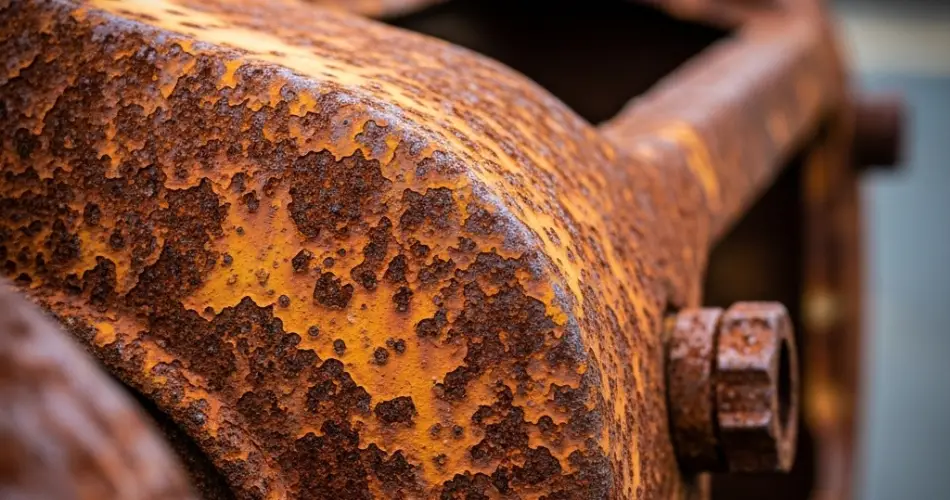
Rust, or iron oxide, is a common problem that affects metal objects exposed to moisture and oxygen over time. Whether it’s your tools, outdoor furniture, kitchen utensils, or automotive parts, rust can cause damage, weaken the metal, and ruin the appearance of your belongings. The good news is that rust can be removed quickly and effectively with some simple household ingredients and methods.
This article will guide you through easy, practical ways to eliminate rust instantly and prevent it from coming back, helping you restore and protect your metal items.
What Is Rust and Why Does It Form?
Rust forms when iron or steel reacts with water and oxygen, creating a flaky, reddish-brown coating called iron oxide. This chemical reaction gradually eats away at the metal’s surface, leading to corrosion and structural damage.
Rust not only looks unsightly but also reduces the lifespan and functionality of metal objects. Early removal and prevention are key to maintaining the quality of your metal tools and equipment.
Instant Rust Removal: What You’ll Need
Several household ingredients can effectively remove rust. The following method uses natural and easily available products:
-
White vinegar
-
Baking soda
-
Lemon juice (optional)
-
Salt
-
Aluminum foil or a scrubbing brush
-
Clean cloths or sponges
Step-by-Step Guide to Remove Rust Instantly
Step 1: Soak the Rusted Item in White Vinegar
White vinegar is acidic, which helps dissolve rust quickly.
-
Submerge the rusted metal object fully in a container filled with white vinegar.
-
Let it soak for several hours or overnight depending on the severity of the rust. For larger objects, soak a cloth in vinegar and wrap it around the rusty area.
-
The acid in the vinegar breaks down the rust particles, loosening them from the metal surface.
Step 2: Scrub Off the Rust
After soaking, take the object out and scrub the rusted parts using aluminum foil scrunched into a ball or a stiff scrubbing brush.
-
Aluminum foil is ideal because it is gentle on metal but effective at scrubbing away loosened rust without scratching.
-
If you don’t have aluminum foil, use a nylon brush or steel wool, but be cautious as steel wool can scratch softer metals.
Step 3: Apply a Baking Soda Paste
If stubborn rust remains, create a paste using baking soda and water.
-
Mix baking soda with water until it forms a thick paste.
-
Apply the paste generously on the rusty areas.
-
Let it sit for 15-20 minutes.
-
Scrub again using your scrubbing tool. Baking soda’s mild abrasive properties help lift rust without damaging the metal.
Step 4: Use Lemon Juice and Salt for Extra Power (Optional)
For tough rust stains, lemon juice combined with salt offers a natural rust remover.
-
Sprinkle salt over the rusted area.
-
Squeeze fresh lemon juice on top, soaking the salt.
-
Let it sit for 2-3 hours in sunlight if possible.
-
Scrub off the rust using a brush or aluminum foil.
-
Rinse thoroughly and dry the item.
Tips to Speed Up Rust Removal
-
Warm the vinegar slightly before soaking to enhance its rust-dissolving power.
-
For delicate or small items, use a toothbrush to scrub detailed areas.
-
Repeat soaking and scrubbing for heavy rust build-up.
-
Always dry metal objects completely after cleaning to avoid new rust formation.
Preventing Rust: How to Protect Your Metal Items
Removing rust is just the first step; prevention is essential to keep your metals rust-free long-term.
-
Keep metals dry: Avoid prolonged exposure to moisture. Store tools and metal items in dry places.
-
Apply protective coatings: Use oils (like mineral or machine oil), wax, or commercial rust-preventive sprays to create a barrier against moisture.
-
Clean and dry regularly: After use, wipe down metal objects to remove dirt and moisture.
-
Use rust-resistant metals: Stainless steel or galvanized metals resist rust better than iron or regular steel.
Safety Tips When Removing Rust
-
Work in a well-ventilated area, especially if using vinegar or lemon juice in large quantities.
-
Wear gloves to protect your hands from acidity and rough scrubbing.
-
Avoid using harsh chemical rust removers unless necessary; natural methods are safer for home use.
Why Choose Natural Rust Removal Methods?
Natural rust removal methods using vinegar, baking soda, lemon juice, and salt are:
-
Cost-effective: They use inexpensive, readily available household items.
-
Environmentally friendly: No harsh chemicals or toxic substances are involved.
-
Gentle on metal: These methods clean without damaging delicate surfaces.
Conclusion
Rust doesn’t have to ruin your metal objects. By applying these simple, natural techniques, you can remove rust quickly and restore the shine and function of your belongings. Regular maintenance and proper storage will keep rust at bay, extending the life of your tools, furniture, and other metal items.
Try these steps at home today and say goodbye to rust for good!


