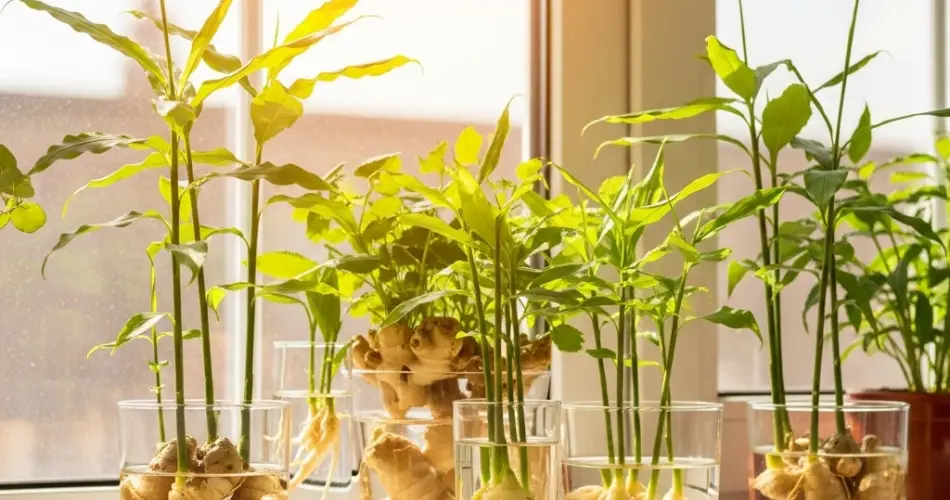
Ginger is a wonderfully aromatic and versatile root that adds zest to cooking and offers numerous health benefits. Growing ginger at home is easier than you might think, especially if you have a sunny windowsill and a few containers. Even if you have limited outdoor space, you can successfully nurture ginger indoors, producing fresh, flavorful roots right at home.
This guide will walk you through the simple steps to grow ginger in containers on your sunny windowsill, from selecting the right ginger root to harvesting your crop.
Why Grow Ginger Indoors?
Ginger is a tropical plant that thrives in warm, humid conditions with filtered sunlight. Growing it indoors:
-
Gives you fresh ginger year-round.
-
Allows control over soil and water conditions.
-
Is perfect for small spaces or apartments.
-
Adds greenery and a lovely aroma to your home.
Plus, nurturing ginger is a rewarding project for beginner gardeners looking to grow edible plants with minimal fuss.
Step 1: Select the Right Ginger Root
Start with a fresh, plump ginger rhizome (root) from the grocery store or nursery. Look for pieces that:
-
Have visible “eyes” or small growth buds—these are where shoots will sprout.
-
Are firm, not shriveled or moldy.
-
Are organic if possible, as some store-bought ginger is treated to prevent sprouting.
If the root is large, you can cut it into smaller sections, making sure each piece has at least one or two eyes.
Step 2: Choose the Right Container and Soil
Ginger likes loose, well-draining soil rich in organic matter. Choose a wide, shallow container about 12-16 inches wide and 8-10 inches deep, since ginger spreads horizontally rather than growing deep.
Use a high-quality potting mix blended with compost or aged manure. Ensure the container has drainage holes to prevent waterlogging, which can cause root rot.
Step 3: Planting Your Ginger
-
Soak the ginger root pieces in warm water overnight to stimulate growth.
-
Fill the container with moist soil, leaving a couple of inches at the top.
-
Place the ginger pieces with the buds facing up, about 2-4 inches apart.
-
Cover lightly with 1-2 inches of soil.
-
Water the soil gently but thoroughly.
Step 4: Find the Perfect Spot on Your Windowsill
Ginger thrives in bright, indirect sunlight. A sunny windowsill with filtered light is ideal. Too much direct sunlight can scorch the leaves, so if your windowsill gets strong sun, place the container a little away from the glass or use a sheer curtain to diffuse the light.
Maintain indoor temperatures between 70°F and 85°F (21°C to 29°C) for optimal growth. Avoid cold drafts and sudden temperature drops.
Step 5: Watering and Humidity
Ginger prefers consistently moist soil but does not like soggy conditions. Water when the top inch of soil feels dry, but avoid letting water pool at the bottom.
Since ginger is a tropical plant, it enjoys higher humidity. To increase humidity:
-
Mist the leaves occasionally.
-
Place the container on a tray with water and pebbles.
-
Use a humidifier if your home air is very dry.
Step 6: Feeding and Fertilizing
Feed your ginger every 4-6 weeks with a balanced, water-soluble fertilizer diluted to half strength. Alternatively, use organic options such as fish emulsion or seaweed extracts.
Avoid over-fertilizing, which can harm the plant and reduce root quality.
Step 7: Caring for Your Growing Ginger
As shoots emerge, gently loosen the soil to avoid compacting the roots. Ginger can grow several feet of leafy stalks indoors, creating a lush, tropical feel.
Watch for signs of stress:
-
Yellow leaves may indicate overwatering.
-
Brown leaf tips might mean low humidity or too much direct sun.
Remove any dead or yellowing leaves to keep the plant healthy.
Step 8: Harvesting Your Ginger
Ginger takes about 8-10 months to mature fully, but you can harvest young ginger earlier for a milder flavor.
To harvest:
-
Gently dig around the edges of the container.
-
Lift out the rhizome carefully, leaving some root pieces behind to regrow.
-
Wash off the soil and use fresh or store the ginger in the fridge.
You can continue to care for the remaining plant, which will keep growing new shoots and roots for future harvests.
Troubleshooting Tips
-
If your ginger isn’t sprouting, try placing the container in a warmer spot or increasing humidity.
-
Root rot usually occurs due to overwatering—ensure your container drains well and adjust watering frequency.
-
Pests are rare but watch for spider mites or aphids and treat with insecticidal soap if necessary.
Conclusion
Growing ginger on a sunny windowsill is an enjoyable and rewarding experience. With minimal space and a bit of attention to light, water, and soil conditions, you can nurture healthy ginger plants that supply fresh roots year-round.
Whether you’re cooking with fresh ginger or simply enjoy growing tropical plants indoors, container-grown ginger is a perfect addition to any home garden—even without outdoor space.
Give it a try, and enjoy the satisfaction of harvesting your own aromatic ginger right from your windowsill.


