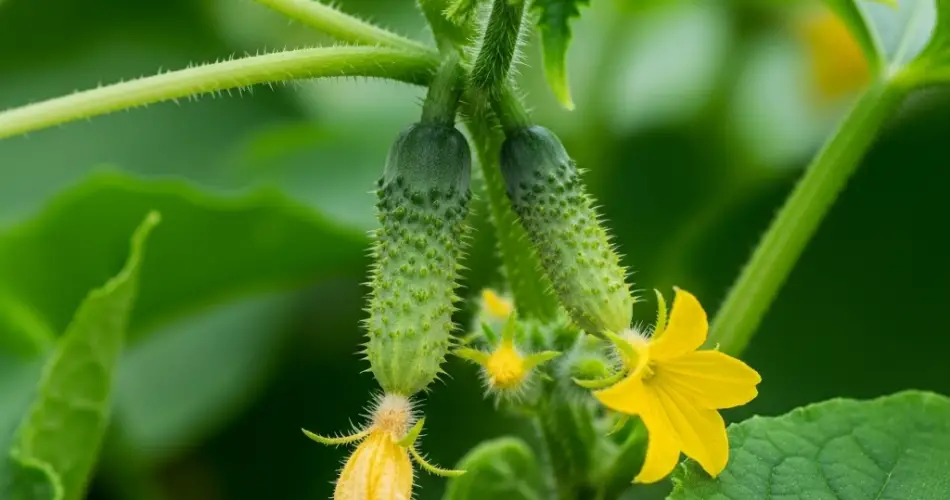
Growing cucumbers can seem intimidating, especially if you’ve struggled with plants in the past. But the good news is, cucumbers are surprisingly easy to grow with the right approach—even for beginners who feel like they can’t keep anything alive. This guide will take you through simple, step-by-step instructions to help you grow healthy, productive cucumber plants and enjoy fresh cucumbers from your garden.
No matter your previous gardening experience, these beginner-friendly tips will set you up for success and help you avoid common pitfalls that lead to failure.
Why Grow Cucumbers?
Cucumbers are a rewarding vegetable to grow for several reasons:
-
Fast-growing: You can harvest cucumbers as early as 50-70 days after planting.
-
Versatile: Great for fresh eating, pickling, salads, and cooking.
-
Space-efficient: They can grow vertically, saving garden space.
-
Nutritious: Low in calories, high in water content, and packed with vitamins.
With a little care, cucumbers can flourish in your garden and provide abundant harvests.
Step 1: Choose the Right Cucumber Variety
Selecting the right variety can make a big difference, especially for beginners.
-
Bush cucumbers: Ideal for small spaces and containers; more compact and easier to manage.
-
Vining cucumbers: Produce more fruit and grow longer vines; best for trellising.
-
Pickling cucumbers: Smaller and crunchier, perfect for making pickles.
-
Slicing cucumbers: Larger and milder, ideal for fresh salads.
Look for varieties labeled as disease-resistant and suited to your climate for the best success.
Step 2: Start Seeds Indoors or Plant Directly
Cucumbers prefer warm soil and temperatures, so timing is important.
-
Indoor seed starting: Start seeds indoors 3-4 weeks before the last frost date to get a head start.
-
Direct sowing: Plant seeds directly in the garden after the danger of frost has passed and soil temperature is at least 70°F (21°C).
Plant seeds about 1 inch deep and space them 12-18 inches apart for bush varieties; give vining types more room or grow them vertically.
Step 3: Prepare the Soil
Cucumbers thrive in loose, fertile, well-draining soil.
-
Soil preparation: Loosen the soil to a depth of 12 inches.
-
Add organic matter: Mix in compost or well-rotted manure to improve fertility.
-
Check pH: Aim for a slightly acidic to neutral pH of 6.0-7.0.
Good soil preparation helps seedlings establish quickly and promotes healthy growth.
Step 4: Provide Adequate Sunlight
Cucumbers need plenty of sunlight to grow vigorously.
-
Full sun: Choose a spot that receives at least 6-8 hours of direct sunlight daily.
-
Avoid shaded areas: Insufficient light leads to weak plants and fewer fruits.
If space is limited, vertical trellising allows vines to climb and access more light.
Step 5: Watering Basics
Consistent watering is crucial for cucumber success but avoid common mistakes.
-
Keep soil evenly moist: Cucumbers need regular watering, especially when flowering and fruiting.
-
Avoid waterlogging: Overwatering can cause root rot and other diseases.
-
Water at the base: Use drip irrigation or water at soil level to keep leaves dry and reduce fungal risks.
-
Mulch: Applying mulch helps retain soil moisture and control weeds.
During hot weather, cucumbers may require daily watering.
Step 6: Fertilizing for Growth
Cucumbers are heavy feeders and benefit from regular fertilization.
-
Balanced fertilizer: Use a balanced 10-10-10 or similar fertilizer at planting.
-
Side dressing: Apply additional nitrogen-rich fertilizer when plants begin to vine.
-
Avoid excessive nitrogen: Too much nitrogen encourages leafy growth but fewer fruits.
Organic options like compost tea or fish emulsion work well too.
Step 7: Support and Training
Supporting cucumber vines helps improve airflow, reduces disease, and makes harvesting easier.
-
Trellising: Use a trellis, cage, or fence to train vining cucumbers upward.
-
Pruning: Pinch off the growing tips occasionally to encourage branching and more fruit.
Bush varieties generally don’t require support but can benefit from gentle staking.
Step 8: Watch for Pests and Diseases
Cucumbers are vulnerable to a few common pests and diseases but can be managed with early detection.
-
Common pests: Aphids, cucumber beetles, and spider mites. Treat with insecticidal soap or neem oil.
-
Diseases: Powdery mildew and downy mildew can affect leaves. Improve air circulation and avoid overhead watering.
-
Crop rotation: Avoid planting cucumbers in the same spot year after year to reduce disease risk.
Regular monitoring will help keep your plants healthy.
Step 9: Harvesting Your Cucumbers
Harvest cucumbers promptly to encourage continued production.
-
Pick regularly: Check plants every few days and harvest cucumbers when they reach the desired size.
-
Use sharp scissors or pruning shears: Avoid pulling to prevent damaging vines.
-
Don’t let fruits over-ripen: Overgrown cucumbers become bitter and tough.
Most cucumber varieties produce best when harvested young and tender.
Step 10: Troubleshooting Common Problems
-
Yellowing leaves: Could be a sign of watering issues or nutrient deficiency.
-
Poor fruit set: Often due to lack of pollination or insufficient sunlight.
-
Bitter cucumbers: Usually caused by stress from heat or irregular watering.
Address problems early with proper watering, feeding, and care.
Conclusion
Growing cucumbers successfully is well within reach—even for beginners who have struggled with plants before. By choosing the right variety, providing proper soil, watering consistently, and supporting your plants, you’ll soon enjoy crisp, delicious cucumbers fresh from your garden.
Remember, gardening is a learning process, and with patience and simple care, even the most novice gardeners can succeed with cucumbers. Start small, follow these steps, and watch your garden flourish.


