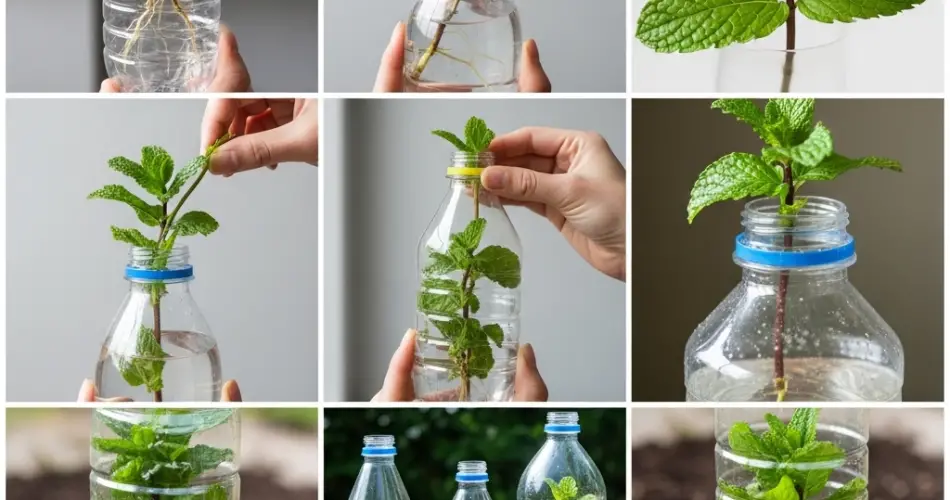
Mint is one of the easiest and most rewarding herbs to grow at home. Known for its refreshing aroma and cooling flavor, mint is a popular choice for teas, salads, desserts, and garnishes. Once established, it grows quickly and spreads easily, making it perfect for propagation. One of the most efficient and eco-friendly ways to multiply your mint plants is by using recycled plastic bottles.
This simple DIY method is perfect for home gardeners who want to expand their mint supply without purchasing new plants. By reusing plastic bottles, you’ll not only save money but also reduce plastic waste. It’s an ideal solution for balcony gardens, small patios, or anyone looking to grow herbs in tight spaces.
Why Multiply Mint?
Mint is a vigorous plant that responds well to propagation. Rather than letting it take over garden beds, you can manage and multiply it in containers. Propagating mint from cuttings ensures consistent flavor and growth habits, while also giving you more plants to share or transplant.
Whether you’re starting with a single plant or expanding an existing collection, multiplying mint through cuttings is one of the quickest ways to create lush, productive herb planters.
What You’ll Need
To start multiplying mint using plastic bottles, gather the following materials:
-
Healthy mint cuttings (10–15 cm long)
-
A clean, empty plastic bottle (1–2 liters)
-
A sharp knife or scissors
-
Water (room temperature)
-
Potting soil (for transplanting later)
-
Small containers (optional, for soil propagation)
-
A sunny windowsill or partially shaded outdoor space
This method works best with fresh, non-flowering mint stems. Choose cuttings with several sets of leaves and no signs of disease or pests.
Preparing the Mint Cuttings
-
Select and cut: Use clean scissors or pruning shears to cut a mint stem about 10–15 cm long, just below a leaf node (where the leaves join the stem). This is the point where new roots are most likely to form.
-
Remove lower leaves: Strip the bottom leaves from the cutting, leaving only the top two to three sets of leaves. This helps focus the plant’s energy on root development and reduces the chance of rot.
-
Optional trimming: You can snip the tip of the stem to encourage bushier growth after rooting.
Using Plastic Bottles for Propagation
There are two simple ways to use plastic bottles to multiply mint: water propagation and soil propagation. Both methods are beginner-friendly and highly effective.
Method 1: Water Propagation in Plastic Bottles
-
Prepare the bottle: Cut off the top portion of the bottle to create an open cup-like container, or leave the bottle intact and simply remove the cap.
-
Add water: Fill the bottle with room-temperature water. If using tap water, let it sit out overnight to allow chlorine to evaporate.
-
Insert the cuttings: Place the mint cuttings into the water so that the stripped portion of the stem is submerged. Make sure the leaves stay above water to prevent rot.
-
Place in light: Set the bottle on a windowsill or partially shaded outdoor spot with bright, indirect sunlight.
-
Change water regularly: Replace the water every 2–3 days to keep it fresh and oxygenated. Roots should begin to form in 5 to 10 days.
Method 2: Soil Propagation Using Bottle Halves
-
Cut the bottle: Slice a plastic bottle in half. Use the bottom half as a mini planter.
-
Add drainage: Punch small holes in the base for drainage, and add a layer of small stones or gravel if desired.
-
Fill with soil: Use a light, well-draining potting mix. Add compost for extra nutrients if needed.
-
Plant the cuttings: Insert the trimmed mint cuttings into the soil about 2–3 cm deep. Gently press the soil around each stem and water lightly.
-
Create a humidity dome (optional): Use the top half of the bottle as a lid to maintain humidity. Remove it daily for airflow and to prevent mold.
-
Water and wait: Keep the soil consistently moist but not soggy. In 1–2 weeks, roots should develop, and new growth will begin to appear.
Transplanting Rooted Mint
Once the mint cuttings have established strong roots, they can be transplanted into larger containers or garden beds. Choose pots with good drainage and fill them with rich, loose soil.
Mint thrives in partial sun to full sunlight. Water regularly, especially during dry spells, but avoid overwatering. To encourage bushy growth, pinch back the top leaves as the plant grows.
Because mint spreads aggressively, growing it in containers helps control its spread and keeps your garden tidy.
Conclusion
Multiplying mint using plastic bottles is an easy, sustainable, and effective way to expand your herb garden. Whether you root cuttings in water or soil, this DIY method gives you strong, healthy mint plants with minimal effort. It’s a great project for beginner gardeners, kids, or anyone interested in low-cost, eco-friendly gardening. In no time, you’ll have plenty of mint on hand for teas, recipes, or aromatic enjoyment—all grown from a few simple cuttings and a recycled bottle.


