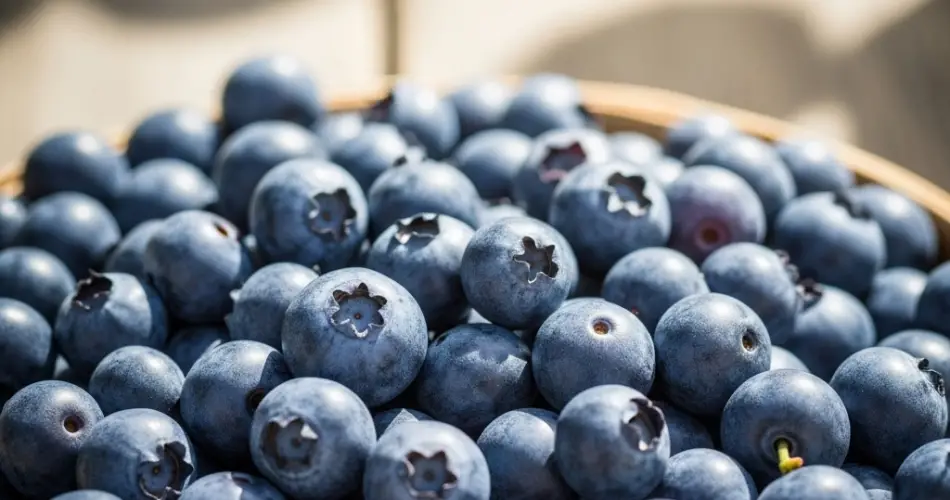
Mulching is one of the most important practices for growing healthy, productive blueberry plants. These fruit-bearing shrubs have specific soil and moisture needs that can be easily met with the right mulch. Proper mulching not only helps retain soil moisture and suppress weeds, but it also supports the acidic soil conditions that blueberries love.
Whether you’re growing blueberries in containers or in the ground, understanding how and when to mulch can make a big difference in the health and yield of your plants. Here’s a complete guide to mulching blueberries for better growth and bigger harvests.
1. Why Mulching Is Essential for Blueberries
Blueberries have shallow root systems that are particularly sensitive to fluctuations in temperature and moisture. A good layer of mulch acts as a protective blanket, helping to:
-
Conserve moisture by reducing evaporation from the soil
-
Regulate soil temperature, keeping roots cool in summer and insulated in winter
-
Suppress weed growth, which reduces competition for nutrients and water
-
Improve soil structure as organic mulches break down over time
-
Maintain soil acidity, which is crucial for blueberry health
Neglecting to mulch can lead to water stress, weed invasion, and declining soil conditions, all of which weaken blueberry plants.
2. Best Types of Mulch for Blueberries
Because blueberries thrive in acidic soils (pH 4.5 to 5.5), it’s important to choose mulches that help maintain or even increase acidity.
Top mulch options include:
-
Pine needles (pine straw): Light and airy, pine needles decompose slowly and help acidify the soil naturally.
-
Wood chips or bark mulch (especially pine or cedar): Long-lasting and effective at moisture retention.
-
Sawdust: A fine mulch that helps acidify soil—choose aged sawdust from untreated wood.
-
Composted pine bark: Improves soil structure while maintaining acidity.
Avoid mulches like:
-
Manure-based composts or mushroom compost (they raise pH)
-
Fresh grass clippings (may compact or heat up too quickly)
-
Dyed or treated mulches, which can introduce chemicals harmful to acid-loving plants
3. When to Apply Mulch
The best time to apply mulch is in early spring, just as new growth begins. This helps conserve moisture before the hot weather sets in and suppresses emerging weeds.
You can also refresh the mulch in late summer or fall to insulate the roots over winter and replenish organic matter. Check your mulch layer a couple of times during the growing season and top up as needed.
4. How to Apply Mulch Properly
To get the most benefit, mulch needs to be applied correctly. Here’s how to do it:
-
Clear the base of the plant: Remove any weeds or grass around the base of your blueberry bush.
-
Apply mulch in a wide circle: Spread mulch in a circle around the plant, covering the area under the canopy and extending slightly beyond.
-
Maintain the right thickness: Apply mulch to a depth of 2 to 4 inches. Too thin and it won’t be effective; too thick and it may hold excess moisture or harbor pests.
-
Keep mulch away from the stem: Leave a 1- to 2-inch gap around the main stem or crown of the plant. Piling mulch directly against the stem can cause rot.
In container-grown blueberries, apply a lighter layer—about 1 to 2 inches—and ensure the pot has good drainage.
5. Maintaining Your Mulch Layer
Mulch breaks down over time, especially organic types like sawdust and pine needles. Monitor the depth of your mulch and top up as needed to maintain the optimal 2 to 4-inch layer.
Each year, rake back the old mulch, add a thin layer of compost if needed, and then reapply fresh mulch. This renews the acidity and ensures the mulch is doing its job.
Avoid disturbing the roots while doing this, as blueberries have shallow and sensitive roots.
6. Additional Tips for Mulching Success
-
Combine mulching with watering: Always water deeply before applying mulch. Mulch helps retain that moisture in the root zone.
-
Use mulch to help lower soil pH: If your soil is slightly alkaline, choose more acidic mulch like pine bark or sawdust to gradually shift the pH.
-
Watch for nitrogen tie-up: Fine sawdust and wood chips can temporarily reduce available nitrogen as they break down. To compensate, apply an organic nitrogen source like blood meal or fish emulsion in spring.
7. Benefits You’ll Notice Over Time
With consistent mulching, blueberry bushes typically show:
-
More vigorous growth
-
Improved flowering and fruit set
-
Reduced weed pressure
-
Better moisture retention during dry spells
-
Enhanced winter protection for the roots
Over time, mulch also improves soil structure and fertility, creating a thriving environment for your blueberries to produce year after year.
Conclusion
Mulching is one of the simplest and most effective ways to support healthy blueberry plants. By choosing the right materials, applying them properly, and maintaining your mulch layer, you can dramatically improve your blueberry bushes’ growth, fruit production, and long-term vitality. Whether you’re growing a single plant or managing a berry patch, thoughtful mulching is the key to a bountiful harvest.


