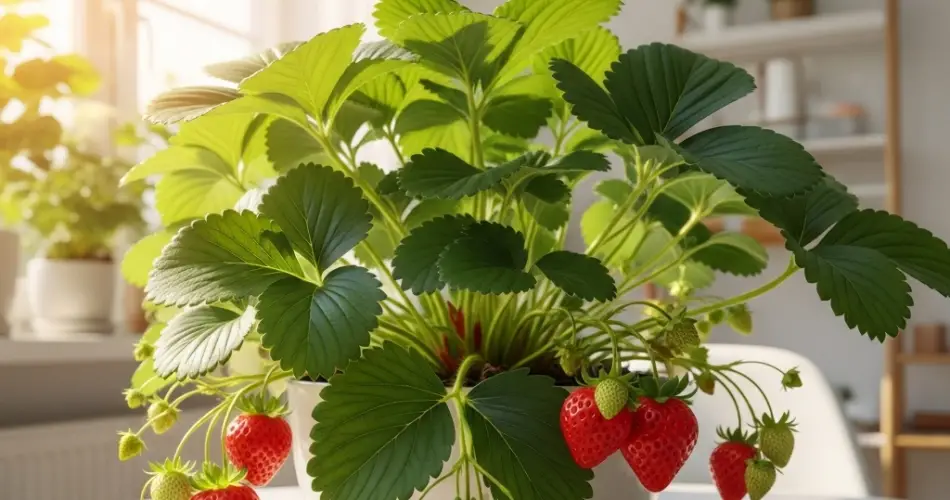
There’s nothing quite like the taste of homegrown strawberries—juicy, sweet, and bursting with flavor. Fortunately, you don’t need a large garden or warm climate to enjoy fresh strawberries throughout the year. With the right setup, strawberries can be successfully grown indoors, making it possible to harvest your own fruit even in the middle of winter.
Whether you live in a small apartment or want to extend your strawberry season, indoor growing offers a productive and rewarding solution. Here’s everything you need to know to grow strawberries indoors year-round.
1. Choose the Right Strawberry Variety
Not all strawberries are equally suited for indoor cultivation. The best choices for indoor growing are day-neutral or everbearing varieties, as they produce fruit continuously throughout the year with the right conditions.
Top choices include:
-
Seascape – Day-neutral, high-yielding, and flavorful
-
Albion – Large, sweet berries and good disease resistance
-
Quinault – Everbearing variety that grows well in containers
-
Tristar – Compact growth, ideal for small indoor spaces
Avoid June-bearing varieties, as they produce only one large harvest per year, which limits year-round growing potential indoors.
2. Select the Right Containers
Strawberries have shallow root systems, so they don’t require deep pots. However, they do need enough space for roots to spread and for proper drainage.
Container options:
-
Hanging baskets
-
Strawberry pots (tiered planters with side holes)
-
Window boxes
-
Standard 6–8 inch pots
Ensure all containers have drainage holes to prevent waterlogging, which can lead to root rot. You can place a saucer underneath to catch excess water, but empty it regularly.
3. Use High-Quality Potting Mix
The soil you use plays a crucial role in the success of your indoor strawberries. Avoid using garden soil, which can be too dense and may contain pests or diseases.
Use a lightweight, well-draining potting mix, ideally enriched with organic matter. A good blend might include:
-
Peat moss or coco coir
-
Perlite for aeration
-
Compost or worm castings for nutrients
Strawberries prefer slightly acidic soil with a pH between 5.5 and 6.5. You can check pH levels with a simple soil test kit and adjust as needed.
4. Provide Adequate Light
Light is the most critical factor when growing strawberries indoors. These fruiting plants need at least 6 to 8 hours of direct sunlight daily to thrive and produce berries.
If you don’t have a bright, south-facing window, you’ll need to supplement with grow lights. LED or fluorescent grow lights are energy-efficient and provide the full spectrum of light that strawberries need.
Tips for lighting:
-
Place grow lights 6–12 inches above plants.
-
Keep lights on for 12–16 hours a day.
-
Use timers to maintain consistent light cycles.
Without adequate light, your plants may grow but fail to flower or produce fruit.
5. Water Carefully
Strawberries prefer consistently moist soil, but they don’t tolerate soggy conditions. Overwatering can cause root rot, while underwatering can stunt growth and fruit development.
Watering tips:
-
Water when the top inch of soil feels dry.
-
Use room-temperature water.
-
Avoid wetting the leaves to reduce the risk of disease.
Proper drainage and good air circulation are essential to keep your plants healthy and prevent mold or fungal issues.
6. Pollinate by Hand
Indoors, there are no natural pollinators like bees or wind. To encourage fruit production, you’ll need to hand-pollinate the flowers.
Once flowers open, use a small paintbrush, cotton swab, or your fingertip to gently transfer pollen between the centers of each blossom. This mimics the work of insects and ensures the flowers develop into fruit.
Repeat this process daily while the flowers are blooming for the best results.
7. Feed for Fruitfulness
To keep your strawberry plants producing, they need regular feeding—especially during the flowering and fruiting phases.
Use a balanced liquid fertilizer or one specially formulated for fruiting plants. Organic options such as seaweed extract or fish emulsion are also effective.
Feed your plants every 2–4 weeks during active growth, and adjust based on plant health and the specific fertilizer instructions.
8. Trim and Maintain
Keep your indoor strawberries healthy by trimming runners (long stems with baby plants) unless you plan to propagate new plants. Removing runners allows the parent plant to focus its energy on producing fruit.
Also, remove any yellowing or dead leaves regularly, and inspect the plant for pests like aphids or spider mites. Although less common indoors, these can still become a problem if not addressed early.
9. Harvest and Enjoy
Strawberries are ready to harvest when they’re fully red, plump, and aromatic. Pick them gently by the stem to avoid bruising the fruit or damaging the plant.
Indoor-grown strawberries may be smaller than outdoor ones, but they often pack more flavor due to controlled growing conditions. With continuous care, you can harvest small batches of berries year-round.
Conclusion
Growing strawberries indoors year-round is both enjoyable and rewarding. By choosing the right variety, providing adequate light and care, and mimicking natural conditions, you can turn a sunny windowsill or indoor corner into a productive mini berry farm. With a little effort, you’ll be rewarded with fresh, juicy strawberries no matter the season—a sweet taste of homegrown success.


