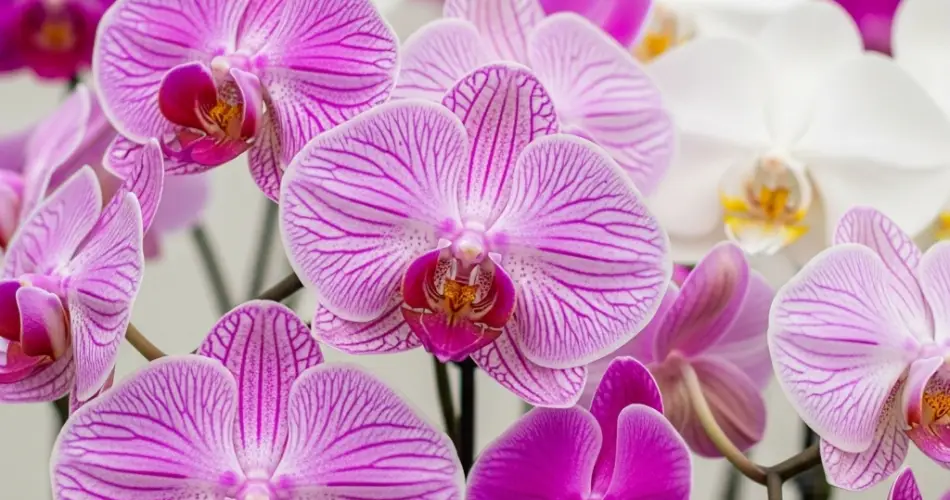
Orchids are often seen as exotic and finicky plants, reserved for expert gardeners or tropical greenhouses. But the truth is, with just a few practical steps, even someone with a track record of killing houseplants can grow orchids successfully—and get them to bloom beautifully.
The key lies in understanding their basic needs and providing the right care consistently. Orchids might not behave like typical houseplants, but once you learn what they want, they’re actually quite resilient. Here’s how beginners can maximize orchid blooms without stress or failure.
Choose the Right Orchid Variety
Not all orchids are equally beginner-friendly. Some species are very specific about their care, while others are more adaptable. If you’re new to orchids, start with the Phalaenopsis, also known as the moth orchid. It’s one of the easiest to grow and often blooms several times a year.
Other good options include:
-
Dendrobium – Hardy and forgiving, with upright canes and a wide range of colors.
-
Cattleya – Known for large, fragrant flowers, suitable for bright indoor spots.
-
Oncidium – Nicknamed “dancing ladies,” these offer many blooms on a single spike.
Choosing the right variety sets you up for success and maximizes your chances of getting consistent blooms.
Understand Their Natural Habitat
Orchids in the wild grow on tree trunks and branches in humid rainforests. This means:
-
They don’t grow in regular soil.
-
They thrive with airflow around their roots.
-
They love humidity but hate soggy roots.
To recreate this environment, use an orchid potting mix made of bark, sphagnum moss, or coconut husk chips. This allows air and moisture to reach the roots while avoiding waterlogging.
Light Is Critical
Light is one of the most important factors for getting orchids to bloom. Without enough light, your orchid might grow leaves but never flower.
Place your orchid near a bright window with indirect sunlight. East- or west-facing windows work best. If you notice pale leaves or no blooms, it might be too dark. If the leaves turn yellow or develop sunspots, the light is too harsh.
Tip: Healthy orchid leaves are typically medium green. Dark green means it’s not getting enough light, and yellow-green or red-tinted leaves mean too much light.
Watering: Less Is More
One of the most common mistakes beginners make is overwatering. Orchids don’t like sitting in water, and their roots will quickly rot if constantly wet.
Water only when the potting medium feels dry—usually once a week in warmer months and every 10–14 days in cooler seasons. When you do water, soak thoroughly and let all the excess water drain out.
Avoid using cold tap water. Room-temperature filtered or rainwater is best. Also, never let water sit in the crown of the plant, as this can cause rot.
Feed for Flowers
To maximize blooms, feed your orchid regularly during the growing season (spring and summer). Use a balanced orchid fertilizer—look for a 20-20-20 formula—and dilute it to half strength.
Feed every 2–3 weeks while the plant is actively growing. Once buds appear, you can continue feeding every few weeks, then reduce during the dormant winter period.
Prune and Repot to Encourage Reblooming
After your orchid finishes flowering, don’t throw it away! With a little care, it can rebloom again and again.
For Phalaenopsis, you can:
-
Cut the flower spike just above a node (a small bump on the stem), and a new spike may emerge from that point.
-
If the spike dries and turns brown, cut it off at the base.
Repot your orchid every 1–2 years, especially if the medium starts breaking down or roots look crowded. Always repot after the blooming period, not during.
Maintain Humidity and Airflow
Orchids love humidity—ideally around 50–70%. If your home is dry, especially in winter, consider placing a humidity tray (a shallow dish filled with pebbles and water) under the plant or use a small humidifier.
Good airflow also helps prevent fungal diseases. Don’t cram orchids into corners—let them breathe.
Common Signs of Trouble and Solutions
-
Wrinkled leaves = Not enough water or root issues.
-
Mushy roots = Overwatering.
-
No blooms = Not enough light or improper fertilization.
-
Spotted or drooping leaves = Too much direct sun or poor airflow.
Keep an eye on your orchid and respond quickly to changes in appearance.
Final Thoughts
Orchids might seem intimidating at first, but they’re incredibly rewarding once you understand their rhythm. With the right variety, proper light, careful watering, and occasional feeding, even self-proclaimed plant killers can turn into confident orchid growers.
Don’t be discouraged by early mistakes. Orchids are forgiving and can bounce back with time. As you build experience and watch your orchid bloom, you’ll discover that vibrant flowers aren’t just for experts—they’re for anyone willing to learn and nurture.


