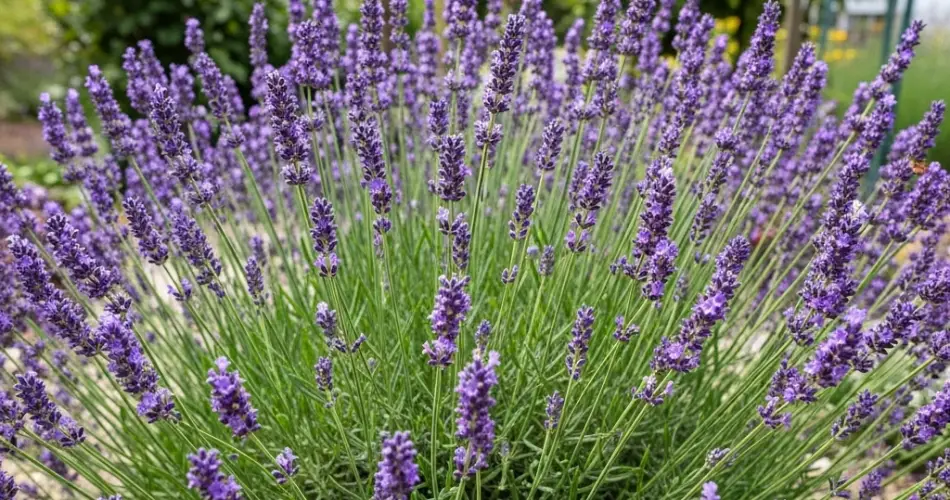
Lavender is one of the most beloved aromatic herbs worldwide, cherished for its beautiful purple flowers, soothing fragrance, and versatile uses—from culinary to medicinal and decorative. Whether you’re a beginner or an experienced gardener, maximizing your lavender yield while accelerating its growth can make your gardening efforts even more rewarding. This guide will provide practical, easy-to-follow tips on how to cultivate lavender to get the best possible harvest, faster than ever before.
Understanding Lavender Basics
Lavender thrives best in sunny locations with well-draining soil. It prefers a Mediterranean-like environment with moderate water and plenty of airflow. Before diving into advanced tips, make sure the basics are in place:
-
Sunlight: Lavender needs at least 6-8 hours of direct sunlight daily.
-
Soil: Well-drained, sandy or loamy soil with a neutral to slightly alkaline pH is ideal.
-
Watering: Lavender is drought-tolerant but should be watered regularly when young until established.
Step 1: Choose the Right Lavender Variety
Not all lavender types are created equal. Some varieties grow faster and produce more flowers than others. For maximizing yield and speed:
-
English Lavender (Lavandula angustifolia): Known for its strong fragrance and abundant blooms.
-
Spanish Lavender (Lavandula stoechas): Grows quickly and flowers prolifically.
-
French Lavender (Lavandula dentata): Fast-growing with distinctive foliage and long-lasting flowers.
Choosing a fast-growing, high-yield variety suited to your climate will give you the best results.
Step 2: Optimize Soil for Health and Growth
Healthy soil is the foundation for maximizing lavender yield.
-
Soil Preparation: Before planting, amend soil with organic matter like compost to improve nutrient content while maintaining good drainage.
-
pH Balance: Lavender prefers soil pH between 6.5 and 7.5. You can adjust pH using garden lime if soil is too acidic.
-
Drainage: To prevent root rot, consider adding coarse sand or small gravel to your soil mix.
Healthy roots lead to vigorous plants and abundant flowers.
Step 3: Use Kitchen Scraps to Boost Growth Naturally
One of the easiest and most sustainable ways to accelerate lavender growth is by using kitchen scraps for compost and organic feeding.
-
Compost: Add vegetable peelings, coffee grounds, and eggshells to your compost pile to create nutrient-rich soil amendments.
-
Banana Peels: Rich in potassium, banana peels can be chopped and buried near lavender roots to encourage blooming.
-
Coffee Grounds: These provide nitrogen and improve soil structure when used sparingly.
Incorporating these scraps into your garden nourishes lavender naturally, stimulating faster growth and better yield.
Step 4: Proper Watering Techniques
Lavender is drought-resistant but needs water when young or during prolonged dry spells.
-
Young Plants: Water regularly to establish roots but avoid soggy soil.
-
Established Plants: Water deeply but infrequently, allowing soil to dry out between watering.
-
Avoid Overwatering: Excess moisture can lead to fungal diseases and reduced flower production.
Proper watering encourages healthy growth and more prolific flowering.
Step 5: Prune for Productivity
Pruning lavender is key to boosting flower production and speeding up growth cycles.
-
First Year: Prune lightly after the first flowering to encourage bushier growth.
-
Subsequent Years: Cut back by about one-third of the plant’s height in late summer or early fall, after flowering ends.
-
Avoid Cutting into Old Wood: Lavender doesn’t regenerate well from old, woody stems, so keep pruning above the woody base.
Regular pruning helps the plant focus energy on producing new shoots and flowers.
Step 6: Fertilize Smartly
Lavender doesn’t need heavy feeding but benefits from occasional fertilization.
-
Use a balanced, low-nitrogen fertilizer or a fertilizer designed for flowering herbs.
-
Apply in early spring and after the first bloom to encourage further flowering.
-
Avoid over-fertilizing, which can cause excessive foliage growth at the expense of flowers.
Fertilizing appropriately supports vigorous growth and abundant blooms.
Step 7: Mulching for Moisture and Weed Control
Mulching offers several advantages to maximize lavender yield:
-
Retains Moisture: Helps soil stay moist without overwatering.
-
Controls Weeds: Reduces competition for nutrients and water.
-
Protects Roots: Keeps roots cooler in hot climates.
Use organic mulches like shredded leaves, straw, or bark chips, but keep mulch a few inches away from the plant base to avoid moisture buildup that could cause rot.
Step 8: Harvesting Tips for Maximum Yield
Harvesting lavender at the right time improves yield quality and encourages more blooms.
-
Timing: Harvest when flower buds are fully formed but before they fully open.
-
Method: Use sharp scissors or pruning shears to cut flower spikes just above the first set of leaves.
-
Frequency: Regular harvesting promotes continued blooming throughout the season.
Proper harvesting techniques lead to bigger yields and prolonged flowering.
Step 9: Consider Container Growing for Controlled Growth
Growing lavender in containers allows better control over soil, watering, and placement.
-
Use a well-draining potting mix with added sand or perlite.
-
Place pots in the sunniest location available.
-
Containers warm up faster in spring, accelerating growth.
-
Move pots indoors or to sheltered spots during cold weather to extend growing seasons.
Container growing can speed up your lavender’s development and maximize yield in limited spaces.
Conclusion
Maximizing lavender yield and accelerating growth is entirely possible with the right strategies. Start by choosing suitable varieties and optimizing soil conditions. Incorporate kitchen scraps for organic nutrition, use proper watering and pruning techniques, and fertilize wisely. Mulching and timely harvesting will further boost your lavender’s performance.
With these steps, you’ll enjoy more fragrant flowers faster than ever before—whether you’re growing lavender for decoration, cooking, or creating homemade herbal products. Embrace these gardening tips, and watch your lavender thrive beautifully all season long.


