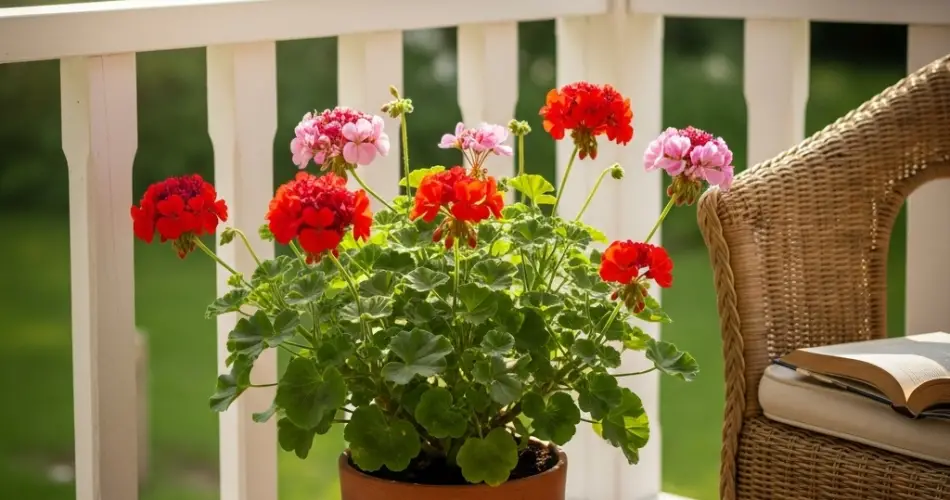
Geraniums are a favorite among gardeners for their vibrant blooms, long flowering season, and relatively easy care. Whether you grow them in pots, hanging baskets, or garden beds, geraniums can provide continuous color from spring to autumn—if you know how to maximize their blooming potential.
With the right methods, even a novice gardener can grow geraniums that rival those of professionals. This guide walks you through everything you need to know to help your geraniums thrive and bloom profusely all season long.
1. Start with Healthy Plants or Quality Seeds
To grow strong geraniums, begin with either healthy young plants from a nursery or high-quality seeds. If starting from seed, sow indoors 10–12 weeks before your last expected frost date. Use a seed-starting mix and provide consistent warmth and light. Geranium seeds can take up to two weeks to germinate, so patience is key.
Buying starter plants can save time. Choose specimens with bushy growth, plenty of healthy green leaves, and no signs of pests or diseases. Avoid plants with yellowing leaves or leggy stems, as these may be stressed or poorly maintained.
2. Choose the Right Location
Geraniums are sun lovers. For maximum bloom, place them in a spot that receives at least 6 hours of direct sunlight per day. Without enough sun, plants will become leggy and produce fewer flowers.
If you’re growing indoors or in a shaded area, opt for varieties like ivy geraniums that tolerate partial shade better. In very hot climates, provide a bit of afternoon shade to prevent leaf scorching.
3. Use Well-Draining Soil
Geraniums hate soggy roots. They prefer a light, well-draining soil rich in organic matter. If you’re planting in containers, use a high-quality potting mix with added perlite or sand to ensure good drainage. In garden beds, amend heavy clay soil with compost and sand.
Ensure that containers have drainage holes to prevent water accumulation, which can lead to root rot.
4. Water Wisely
Overwatering is one of the most common mistakes with geraniums. These plants prefer the soil to dry out slightly between waterings. A good rule of thumb: water when the top inch of soil feels dry to the touch.
-
Water early in the morning to allow excess moisture to evaporate.
-
Avoid watering the leaves directly to prevent fungal diseases.
-
In hot weather, you may need to water more often, especially in containers.
5. Feed Regularly
To encourage continuous blooming, feed geraniums with a balanced liquid fertilizer (like 10-10-10) every 2–4 weeks during the growing season. Once buds form, switch to a high-phosphorus fertilizer (like 10-20-10) to promote more flowers.
Avoid over-fertilizing, which can lead to lush foliage but fewer blooms. Always follow the manufacturer’s recommendations and apply to moist soil to avoid root burn.
6. Deadhead and Prune for More Blooms
Deadheading—removing faded or dead flowers—is essential to keep geraniums blooming. When spent flowers are removed, the plant is triggered to produce more blooms instead of putting energy into seed production.
Additionally, pruning leggy stems helps maintain a compact shape and encourages side branching. Use clean scissors or garden snips and cut just above a leaf node to stimulate new growth.
Regular pruning throughout the growing season will result in fuller, bushier plants with more flowers.
7. Pinch Young Plants Early
When your geraniums are still young, pinch off the top set of leaves after they’ve developed a few sets. This early pinching helps create a bushier plant and promotes stronger stems. The result: more flowering branches later on.
Repeat pinching every few weeks until mid-summer to shape the plant and maximize bloom sites.
8. Protect from Pests and Disease
Geraniums are generally hardy, but pests like aphids, spider mites, and whiteflies can sometimes be a problem. Regularly inspect the undersides of leaves and remove pests by hand or with a gentle spray of water.
To keep fungal diseases at bay:
-
Ensure good air circulation between plants.
-
Avoid wetting the foliage.
-
Remove any yellow or diseased leaves promptly.
Organic insecticidal soap or neem oil can be used if infestations occur, but prevention through proper care is often the best strategy.
9. Overwintering for Continued Success
If you live in a climate with cold winters, you can overwinter your geraniums indoors to enjoy them again next year. Before the first frost:
-
Dig up garden plants or move pots indoors.
-
Prune back by about one-third to manage size.
-
Place in a bright, cool location and water sparingly.
In early spring, begin feeding and increasing light exposure to encourage new growth.
Final Thoughts
Geraniums are one of the most satisfying flowering plants you can grow. With a little regular care—good sunlight, proper watering, regular feeding, and timely deadheading—you can turn a modest plant into a nonstop bloomer that brightens your space all season long. Whether you’re growing them in balcony boxes, patio containers, or garden beds, mastering these techniques will have your geraniums blooming like those of a seasoned expert.


