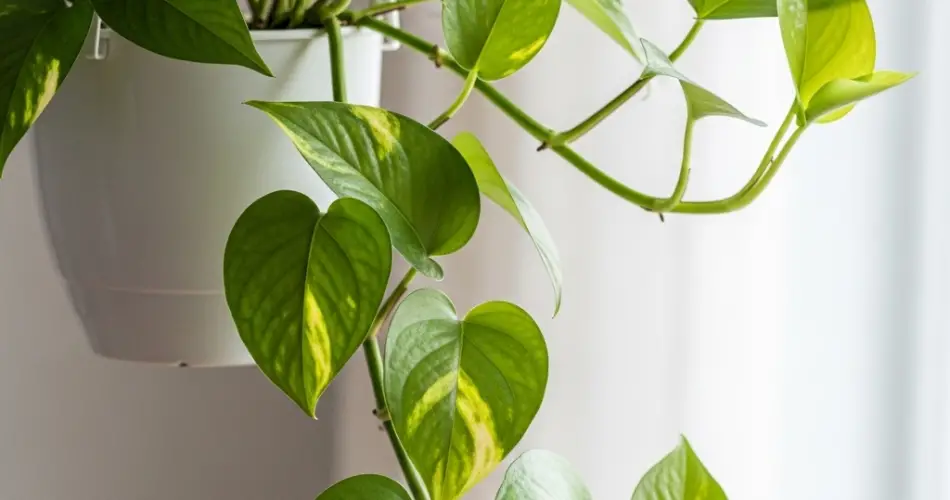
If you’re new to gardening but eager to add lush greenery to your space, pothos (Epipremnum aureum) is one of the easiest and most rewarding plants to start with. Known for its trailing vines and vibrant leaves, this houseplant is not only low-maintenance but also highly productive when given the right conditions.
Whether you’re growing pothos in a pot, hanging basket, or water-filled jar, you can easily boost its growth and fullness—even without any gardening experience. Here’s how to maximize the yield and beauty of your pothos with simple, beginner-friendly steps.
Why Choose Pothos?
Pothos is often called “devil’s ivy” because it’s nearly impossible to kill. It tolerates a wide range of light conditions, recovers quickly from neglect, and purifies indoor air. For beginner gardeners, it’s a perfect introduction to plant care.
Yield, in this case, doesn’t mean fruit or vegetables—it refers to leaf production, vine length, and overall fullness. A thriving pothos with long vines and dense foliage can transform any room into a vibrant, green oasis.
Step 1: Choose the Right Location
Pothos is adaptable but thrives best in bright, indirect light. If you want to maximize growth:
-
Place your pothos near an east- or north-facing window.
-
Avoid harsh direct sunlight, which can scorch the leaves.
-
In low-light areas, growth will slow, and the plant may become leggy.
If your indoor space lacks natural light, consider using a full-spectrum grow light to supplement light exposure.
Step 2: Use the Right Container and Soil
To support healthy growth, start with the proper setup.
-
Use a pot with drainage holes to prevent root rot.
-
Choose a well-draining soil mix, such as one for indoor plants or a blend of potting soil with perlite or coconut coir.
-
Avoid compacted or soggy soil, which limits oxygen flow to the roots.
Repot the plant every 12–18 months to refresh the soil and encourage root expansion.
Step 3: Master the Watering Schedule
Overwatering is one of the most common mistakes beginners make. To water correctly:
-
Let the top inch of soil dry out between waterings.
-
Stick your finger into the soil; if it feels dry, it’s time to water.
-
Drain any excess water from the saucer to avoid soggy roots.
During winter, reduce the watering frequency, as the plant’s growth naturally slows.
Step 4: Feed for Fullness
While pothos doesn’t need frequent feeding, using the right fertilizer can stimulate faster and fuller growth.
-
Use a balanced liquid houseplant fertilizer (e.g., 10-10-10 or 20-20-20).
-
Feed once a month during the growing season (spring and summer).
-
Avoid fertilizing in the fall and winter months.
Too much fertilizer can lead to salt buildup and leaf burn, so always follow the label’s dilution instructions.
Step 5: Prune for Bushiness
Regular pruning encourages your pothos to grow new branches, making the plant appear fuller.
-
Trim long vines just above a node (where a leaf joins the stem).
-
Use clean scissors or pruning shears.
-
Don’t remove more than one-third of the plant at a time.
You can replant the trimmed cuttings in soil or water to grow new pothos plants, further expanding your indoor garden.
Step 6: Keep Leaves Clean and Healthy
Dust-covered leaves can block sunlight and slow down photosynthesis.
-
Gently wipe the leaves with a damp cloth every few weeks.
-
Inspect regularly for pests like spider mites or mealybugs. Remove them with a cotton swab dipped in rubbing alcohol.
Healthy leaves mean better growth and a more vibrant plant.
Step 7: Train and Support the Vines
If you want your pothos to grow longer, train the vines to climb or trail along a support:
-
Use a moss pole, trellis, or hooks to guide the growth.
-
Climbing pothos tends to develop larger leaves over time.
-
You can also let it cascade naturally from shelves or hanging planters for a more relaxed look.
Supporting the vines prevents tangling and helps distribute the plant’s energy more efficiently.
Step 8: Troubleshoot Common Issues
Here’s how to handle the most common pothos problems:
-
Yellow leaves: Usually due to overwatering or poor drainage.
-
Brown tips: Often caused by dry air or inconsistent watering.
-
Slow growth: Likely due to insufficient light or nutrients.
-
Leggy vines: Prune back and move the plant to a brighter spot.
Addressing these issues early helps keep your pothos in peak condition.
Final Thoughts
Pothos is one of the most beginner-friendly plants you can grow, and with just a few mindful steps, you can dramatically increase its yield and vitality. Even if you’ve never cared for a plant before, you’ll find pothos to be forgiving, adaptable, and incredibly rewarding.
By providing the right light, soil, and care, and staying consistent with simple maintenance tasks like pruning and cleaning, your pothos will grow faster and fuller than you imagined. Before long, you’ll have a stunning, jungle-like display of greenery—all grown with ease.


