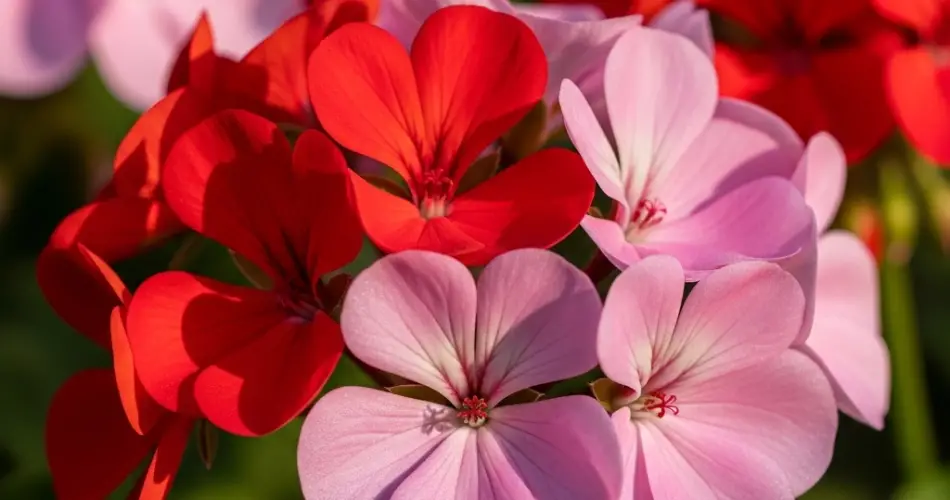
Geraniums are beloved by gardeners for their bright, long-lasting blooms and their ability to thrive with relatively low maintenance. Whether grown in garden beds, pots, or window boxes, geraniums can provide a continuous display of vibrant flowers—if given the right care.
To keep your geraniums blooming all year long, especially indoors or in mild climates, it’s important to focus on specific strategies that promote strong growth, abundant flowering, and plant longevity. Here’s how to get the most from your geraniums and enjoy a season of stunning blooms.
Choose the Right Variety
There are several types of geraniums, but the most common and floriferous are:
-
Zonal geraniums (Pelargonium x hortorum): Known for their upright growth and large flower clusters.
-
Ivy-leaf geraniums (Pelargonium peltatum): Trailing types perfect for hanging baskets.
-
Regal or Martha Washington geraniums: Produce large, showy blooms but require cooler temperatures.
Zonal geraniums are the best choice for continuous, abundant flowering, especially indoors or in containers.
Provide Plenty of Sunlight
Geraniums are sun-loving plants. To encourage prolific blooming:
-
Outdoors: Choose a location with at least 6 hours of full sun per day.
-
Indoors: Place near a south- or west-facing window, where they’ll get bright, direct light. If natural light is limited, supplement with grow lights to extend the light period.
Without adequate light, geraniums will become leggy and produce fewer blooms.
Use Well-Draining Soil
Geraniums dislike soggy roots, so soil quality is key. Use a light, well-draining potting mix—you can improve drainage by adding perlite or coarse sand to standard potting soil.
In garden beds, make sure the soil is loose and drains well. If necessary, amend with compost and sand to improve texture and prevent waterlogging.
Watering: The Right Balance
Watering geraniums correctly is essential for flower production:
-
Allow the top inch of soil to dry out between waterings.
-
Water deeply when needed, but avoid letting the plant sit in water.
-
Reduce watering during colder months or when the plant is not actively growing.
Overwatering is one of the most common reasons for yellowing leaves and weak blooms. On the other hand, too little water can stress the plant and reduce flowering.
Feed for Flowers
Regular feeding supports continuous blooming. Use a balanced fertilizer or one formulated for flowering plants (e.g., 10-10-10 or 15-30-15). Follow these tips:
-
Feed every 2–4 weeks during active growing periods (spring through early fall).
-
In winter, reduce or stop fertilizing if the plant enters dormancy or slows down.
Too much nitrogen encourages leaf growth at the expense of flowers, so choose a formula that supports bloom development.
Deadhead and Prune Regularly
To keep geraniums blooming vigorously:
-
Deadhead spent blooms promptly. This redirects energy to new flower production rather than seed formation.
-
Prune leggy growth to encourage bushier, compact plants. Cut back stems just above a leaf node to promote side shoots.
-
In early spring or after overwintering, give your plant a harder prune to refresh its shape and stimulate new growth.
Consistent pruning helps maintain a tidy appearance and increases the number of flowering stems.
Temperature and Air Circulation
Geraniums thrive in temperatures between 65–75°F (18–24°C) during the day and slightly cooler at night. They can tolerate higher temperatures but may need more water and shade during heat waves.
Good air circulation helps prevent fungal diseases, especially when plants are kept indoors or in humid climates. Space containers apart and avoid overcrowding in beds.
Overwintering Tips for Year-Round Blooms
In regions with cold winters, bring geraniums indoors to extend blooming:
-
Cut back the plant by about one-third before moving it indoors.
-
Place it in a bright, sunny window.
-
Water sparingly during the winter months when growth slows.
-
Resume regular care in spring as new growth appears.
With proper indoor conditions, many geraniums will continue to bloom through winter.
Pest and Disease Management
Common issues that can affect flower yield include:
-
Aphids and whiteflies: Remove with insecticidal soap or a gentle water spray.
-
Botrytis (gray mold): Caused by excess moisture—ensure good air flow and avoid wetting the leaves.
-
Root rot: Usually from overwatering—let the soil dry and repot if needed.
Inspect plants regularly and act quickly to prevent pests or diseases from affecting flower production.
Conclusion
Maximizing geranium yield for vibrant blooms all year long is entirely achievable with the right approach. Focus on light, proper watering, regular feeding, pruning, and general plant health to keep your geraniums thriving. Whether decorating a sunny windowsill, a balcony, or a garden bed, these colorful plants can offer months—even years—of beauty when nurtured correctly.


