Ginger is a tropical plant known not only for its culinary uses and health benefits but also for its striking appearance. Growing ginger at home might seem exotic or complicated, but it’s surprisingly easy—even for beginners. With the right steps and a bit of patience, you can cultivate ginger from seed to a beautiful, thriving plant in record time.
Whether you’re interested in harvesting the spicy rhizomes or simply want an ornamental houseplant, here’s how to grow ginger from scratch—right from store-bought root pieces to a lush, healthy plant.
Why Grow Ginger at Home?
Growing ginger at home has several advantages:
-
Fresh supply: You’ll have access to organic ginger right when you need it.
-
Aesthetic value: Ginger plants have attractive, glossy leaves that brighten up indoor or outdoor spaces.
-
Cost-effective: A single rhizome can produce several plants over time.
-
Health benefits: Fresh ginger is known for its anti-inflammatory, digestive, and immune-boosting properties.
Step 1: Selecting Ginger Rhizomes
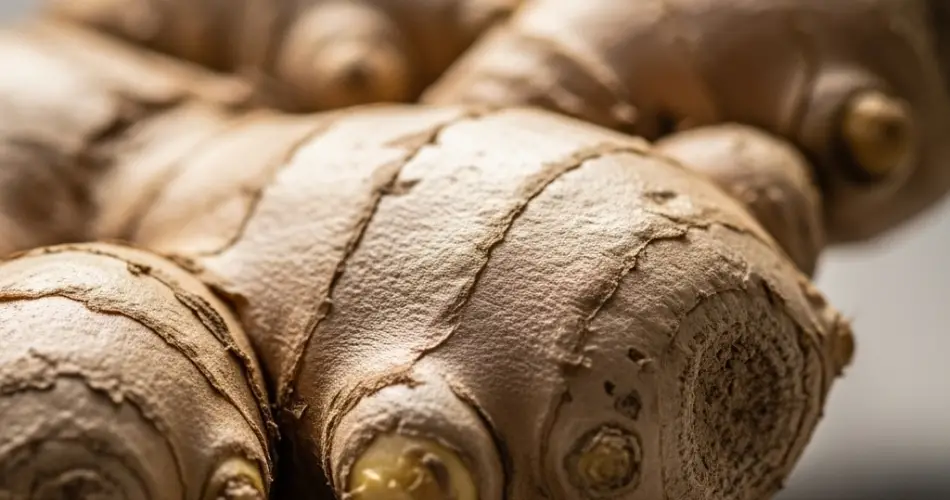
Unlike other plants, ginger is grown from rhizomes (not seeds in the traditional sense). You can buy ginger rhizomes from a garden center or even the grocery store. However, organic ginger is best, as non-organic options are often treated with growth inhibitors to prolong shelf life.
When selecting rhizomes, look for:
-
Plump, firm pieces with tight skin
-
Visible “eyes” or buds (small nodules where shoots will sprout)
-
No mold or shriveling
Break large rhizomes into 1- to 2-inch pieces, ensuring each section has at least one viable bud.
Step 2: Pre-sprouting for Faster Growth
To speed up growth, you can pre-sprout your ginger indoors before planting it in soil.
-
Soak the rhizome pieces in warm water overnight to help awaken dormant buds.
-
Place them in a warm, humid area with indirect light for a few days. A shallow tray lined with damp paper towels or coconut coir works well.
-
Once small green shoots emerge from the buds, your ginger is ready for planting.
Step 3: Preparing Soil and Containers
Ginger thrives in rich, loose, well-draining soil. A mix of potting soil, compost, and sand or perlite works well. Ginger does best in containers at least 12 inches deep to allow the rhizomes space to spread.
Make sure your pot has good drainage holes to prevent waterlogging, which can cause the roots to rot.
Step 4: Planting the Ginger
-
Fill the pot with your prepared soil mix, leaving 2–3 inches at the top.
-
Place the pre-sprouted rhizome pieces bud-side up, about 2 inches deep and 6 inches apart if using a larger container.
-
Cover with soil and water gently until evenly moist.
Place the pot in a warm, humid location with filtered sunlight. Ginger prefers temperatures between 70–90°F (21–32°C).
Step 5: Caring for Your Ginger Plant
-
Watering: Keep the soil consistently moist but not soggy. Water lightly whenever the top inch feels dry.
-
Light: Ginger grows best in bright, indirect light. If kept outdoors, ensure it’s protected from harsh midday sun.
-
Feeding: Feed the plant monthly with a balanced liquid fertilizer or compost tea during the growing season.
-
Mulching: Applying a layer of mulch helps retain moisture and suppress weeds.
Ginger is a slow-growing plant, and patience is key. Within a few weeks, green shoots will emerge and eventually grow into lush stems with spear-shaped leaves.
Step 6: Harvesting Ginger
You can begin harvesting young ginger (also called “green ginger”) in as little as 4 to 6 months after planting. At this stage, it has a milder flavor and tender skin—perfect for teas, stir-fries, or pickling.
For a full harvest:
-
Wait 8 to 10 months until the plant matures. The leaves may start to yellow and die back naturally—this is a sign that the rhizomes are ready.
-
Carefully dig around the plant, lifting the entire root mass.
-
Break off what you need and replant a portion of the rhizome to start a new cycle.
Ginger can be grown continuously this way—harvesting and replanting for a never-ending supply.
Common Tips and Troubleshooting
-
Yellow leaves: May signal overwatering or poor drainage. Allow the soil to dry slightly and ensure the pot drains well.
-
Slow growth: Ensure warmth and humidity levels are sufficient. Ginger grows best in tropical-like conditions.
-
Pests: Ginger is generally pest-resistant, but keep an eye out for spider mites or aphids on the leaves. Treat with neem oil or insecticidal soap if needed.
Final Thoughts
Cultivating ginger from rhizome to a mature plant is not only achievable but deeply rewarding. With a little planning and regular care, you can enjoy homegrown ginger for culinary use or as a decorative houseplant. Whether you have a garden, balcony, or sunny windowsill, ginger can thrive and reward you with beauty and flavor—all from a humble kitchen scrap.