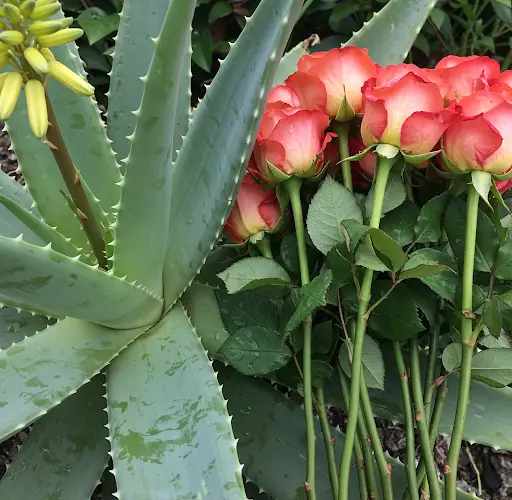
Rose propagation can often be a test of patience. Many gardeners carefully cut, plant, and nurture rose stems, only to wait weeks for signs of life—or face disappointment if the cuttings fail to root. But what if there were a simple, natural way to speed up the process?
The answer may lie in a common medicinal plant already growing in your home: aloe vera. This succulent, best known for its soothing gel, is also a powerful ally in plant propagation. When rose cuttings are paired with aloe vera, they receive a surge of natural hormones, moisture, and antibacterial protection that can lead to remarkably fast sprouting—even overnight in some cases.
Let’s explore how aloe vera works to boost rose propagation and how you can use it to grow strong, healthy roses from simple cuttings.
Why Aloe Vera Helps Rose Cuttings Grow
Aloe vera is packed with beneficial compounds that support plant health and root development:
-
Natural rooting hormones: Aloe contains auxins and gibberellins—plant hormones that stimulate root growth and cell division.
-
Antibacterial and antifungal properties: These protect the cutting from infections that often cause failure in propagation.
-
Moisture retention: Aloe gel locks in hydration, keeping the cutting from drying out in the early stages.
-
Nutrient boost: Aloe supplies amino acids, enzymes, and trace minerals that support plant vitality.
Together, these properties create an ideal microenvironment around the rose cutting, encouraging rapid rooting and sprouting.
What You’ll Need
To propagate roses using aloe vera, gather the following:
-
A healthy rose cutting (6–8 inches long)
-
A fresh aloe vera leaf (large enough to insert the stem)
-
A sharp, clean knife or pruning shears
-
A pot or container with well-draining soil
-
Clean water
-
A plastic bottle or humidity dome (optional)
Step-by-Step Guide
Step 1: Prepare the Rose Cutting
Select a healthy rose stem, preferably semi-woody and free of disease. Using sterilized pruning shears, cut a 6–8 inch segment just below a leaf node. Remove any flowers or flower buds, and strip the leaves from the lower half of the cutting. This reduces moisture loss and directs energy toward root development.
Step 2: Harvest the Aloe Vera Gel
Take a thick, mature aloe vera leaf and cut off the ends. Slice it open lengthwise to expose the gel. You can do this two ways depending on your preference:
-
Insert method: Cut the aloe leaf in half and insert the rose stem directly into the gel-filled cavity.
-
Coating method: Scoop out the gel and apply it generously to the bottom portion of the rose cutting.
Both methods work well and depend on the size and condition of your aloe leaf.
Step 3: Plant the Cutting
Fill a small pot or container with moist, well-draining soil. Make a hole in the center and place the rose cutting inside—whether coated in aloe or embedded in the leaf itself. Firm the soil gently around the stem to hold it in place.
If you’re using the aloe insertion method, you can bury the aloe piece directly in the soil with the cutting still inside.
Step 4: Create a Humid Environment
Cover the cutting with a plastic dome, transparent bottle top, or plastic bag to maintain humidity. Humidity plays a critical role in preventing the cutting from drying out and promotes healthy root formation.
Ensure the container gets bright, indirect sunlight. Too much direct sunlight can cause overheating or stress.
Early Signs of Success
Many gardeners who’ve tried this method report visible signs of sprouting or swelling buds in as little as 24–48 hours. This doesn’t mean full root systems have developed overnight, but it’s a strong indication that the plant is responding positively to the aloe treatment.
After one to two weeks, check the cutting by gently tugging it. If you feel resistance, it’s a sign roots have started to grow. Within three to four weeks, you should see new leaf growth and possibly even early signs of flowering, depending on the rose variety.
Aftercare Tips
Once your rose cutting has rooted and is growing actively:
-
Gradually remove the humidity dome to acclimate it to room or outdoor conditions.
-
Water moderately, keeping the soil slightly moist but never soggy.
-
After 4–6 weeks, you can transplant it to a larger pot or garden bed.
As the plant matures, feed it with a balanced rose fertilizer or organic compost to support flowering and long-term health.
Additional Aloe Vera Propagation Tips
-
Fresh aloe is best: Avoid using store-bought gels that may contain additives or preservatives.
-
Combine with cinnamon: Cinnamon is another natural rooting booster and works well in tandem with aloe.
-
Try other cuttings: This method isn’t just for roses—it can also be effective for hibiscus, geraniums, and many other ornamental plants.
Final Thoughts
Aloe vera offers a natural, effective, and affordable way to propagate roses at home. By simply pairing your rose cuttings with the healing power of aloe, you create an environment that encourages fast rooting, disease resistance, and strong plant development.
Whether you’re a seasoned gardener or a beginner, this method is a great addition to your plant propagation toolkit. Give it a try—you may be surprised at how quickly your roses respond.


