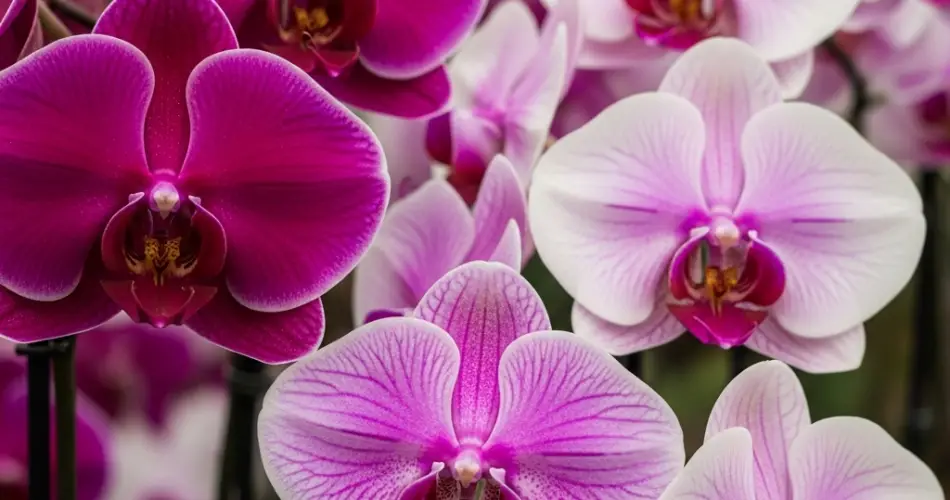
Orchids are among the most beautiful and elegant flowering plants, admired for their exotic blossoms and delicate fragrances. However, a common frustration among orchid growers is when their plants fail to bloom. Despite all the care and attention, some orchids may grow lush green leaves but stubbornly refuse to flower. Fortunately, there is a surprisingly simple and effective technique to encourage even the most stubborn orchids to bloom: placing a special treatment under their roots.
This article explores why some orchids don’t flower, what role the roots play in blooming, and how you can use this simple method to awaken your orchid and enjoy vibrant blooms once again.
Why Do Orchids Sometimes Refuse to Bloom?
Several factors can prevent orchids from flowering:
-
Nutrient Imbalance: Orchids require specific nutrients to trigger flower production. Excess nitrogen, for example, promotes leaf growth but delays blooming.
-
Insufficient Light: Orchids need bright, indirect light to initiate flower spikes. Too little light means no flowers.
-
Improper Temperature: Many orchids need a temperature difference between day and night to stimulate flowering.
-
Watering Issues: Overwatering or underwatering stresses orchids, impacting their blooming cycle.
-
Lack of Root Health: Healthy roots are essential for nutrient uptake and overall plant vigor.
Among these, root health and nutrient availability are often overlooked but play a crucial role in the orchid’s ability to bloom.
The Role of Roots in Orchid Flowering
Orchid roots are unique—they are adapted to absorb moisture and nutrients from the air and grow in specialized media rather than typical soil. Healthy roots are vital for:
-
Absorbing essential nutrients to fuel growth and flower spike development.
-
Anchoring the plant securely while allowing access to oxygen, which roots need for respiration.
-
Producing hormones that trigger flowering signals.
When roots are weak, damaged, or deprived of nutrients, the orchid may prioritize survival and leaf growth over flowering.
The Simple Trick: Putting a Nutrient Pill Under the Roots
One highly effective way to stimulate orchid blooming is to place a nutrient tablet or pill directly under the roots. This localized feeding targets the root zone, ensuring that the plant receives the necessary elements to encourage flower spike formation.
Here’s why this method works so well:
-
Direct Nutrient Delivery: Nutrient pills dissolve slowly in the moisture around the roots, providing a steady release of essential minerals like phosphorus and potassium—key elements for flowering.
-
Boosts Root Health: These nutrients help strengthen roots, improving their ability to absorb water and other minerals.
-
Triggers Flowering Hormones: The improved nutrient status and root vigor send signals to the orchid that conditions are right for blooming.
How to Use Nutrient Pills Under Orchid Roots
Applying this remedy is simple and easy to incorporate into your orchid care routine. Follow these steps:
-
Choose the Right Fertilizer Pills: Select slow-release fertilizer tablets formulated for orchids or flowering plants. Look for those rich in phosphorus (P) and potassium (K) to promote blooms.
-
Prepare the Orchid for Treatment: If your orchid is potted, gently remove the top layer of the potting medium around the roots without damaging them.
-
Place the Nutrient Pill Under the Roots: Position one or two fertilizer tablets close to the root zone, ideally where moisture is retained but not waterlogged.
-
Water the Orchid Normally: After placing the pills, water the plant to help dissolve the nutrients gradually into the root area.
-
Repeat Monthly: For ongoing bloom encouragement, apply nutrient pills once a month during the active growing season.
Additional Care Tips to Support Blooming
While placing fertilizer pills under the roots can jumpstart blooming, combining this method with optimal care increases success:
-
Light: Ensure your orchid receives bright, indirect sunlight. East or west-facing windows are ideal. If natural light is insufficient, consider using grow lights.
-
Temperature: Provide a temperature drop at night (about 10°F or 5-6°C cooler) to stimulate flower spikes.
-
Watering: Water your orchid when the potting medium feels dry to the touch, usually once a week. Avoid waterlogging.
-
Humidity: Orchids thrive in moderate humidity (50-70%). Use a humidity tray or mist regularly if your indoor air is dry.
-
Pruning: After flowering, trim old flower spikes near the base to encourage new growth.
What to Expect After Using This Method
With consistent application of nutrient pills under the roots and proper orchid care, you can expect:
-
Visible signs of new flower spikes emerging from the base or leaf axils within a few weeks.
-
Increased vigor in roots and leaves, indicating better overall plant health.
-
Multiple blooming cycles per year if care is maintained, extending your orchid’s flowering season.
Why This Method Is Recommended
This targeted feeding approach works because it mimics the orchid’s natural environment, where nutrients are often limited and slowly absorbed through the roots. Unlike spraying fertilizer on leaves or mixing nutrients in large volumes of water, placing pills directly under the roots ensures the orchid’s vital root system receives the nutrients it needs without risk of overfeeding.
It is also low maintenance and gentle on the plant, reducing the chance of fertilizer burn or stress.
Conclusion
If your orchid hasn’t bloomed for a while and you want to see those beautiful flowers again, try placing a nutrient pill under its roots. This simple, focused treatment nourishes the roots, encourages flower spike development, and revives your plant’s natural blooming cycle.
Combined with proper watering, light, and temperature management, this method can transform a non-flowering orchid into a flourishing display of vibrant blossoms. With patience and regular care, you’ll soon enjoy the beauty and elegance of orchid flowers once more.


