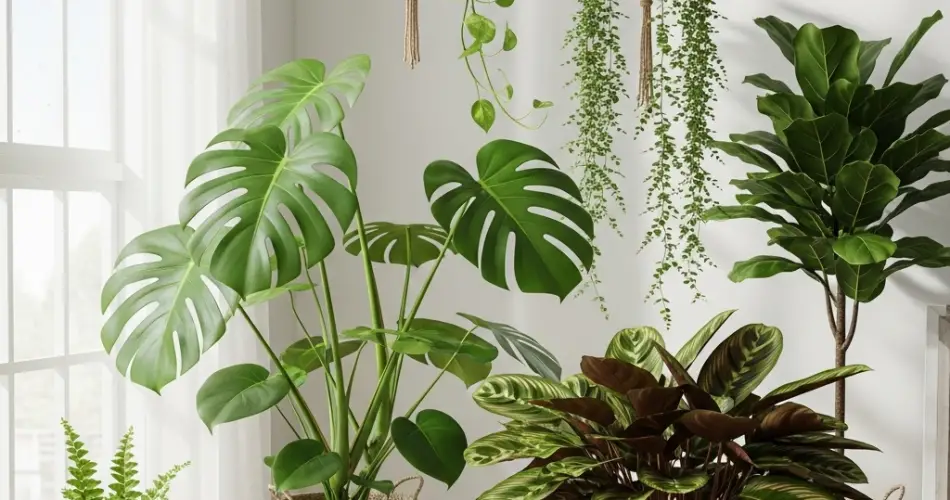
Indoor plants bring life, beauty, and freshness to any living space. However, many plant enthusiasts struggle with slow or stalled growth, lackluster foliage, or sparse flowering. If you want your indoor plants to grow vigorously and thrive, one simple yet often overlooked technique can make a significant difference: top dressing.
Top dressing is the process of adding a layer of nutrient-rich material on top of the soil in your plant’s pot. This technique improves soil fertility, boosts nutrient availability, enhances moisture retention, and promotes healthy root activity — all of which lead to faster, healthier plant growth. The best part? You can create effective, free top dressing materials from everyday household items or natural resources without spending extra money.
In this article, we’ll explore why top dressing matters, how it helps indoor plants grow with frenzy, and how to make your own free top dressing for indoor plants.
Why Top Dressing Matters for Indoor Plants
Over time, the nutrients in potting soil get used up, especially if you don’t fertilize regularly. Even with fertilizers, nutrients can leach away or become unavailable due to changes in soil structure or pH. This depletion limits your plant’s ability to produce new leaves, stems, flowers, and roots.
Top dressing helps by:
-
Replenishing Nutrients: Adding organic matter or nutrient-rich materials on top allows slow release of essential nutrients directly to the root zone.
-
Improving Soil Texture: Organic top dressings increase aeration and water retention, helping roots breathe and absorb water better.
-
Stimulating Microbial Activity: Organic materials feed beneficial soil microbes that break down nutrients into forms plants can absorb.
-
Protecting Soil Surface: A layer of mulch-like top dressing prevents soil crusting, reduces evaporation, and keeps roots cool.
By applying top dressing regularly, you create a healthier growing environment that encourages your indoor plants to grow rapidly and robustly.
Simple and Free Materials for Top Dressing
You don’t need to buy expensive commercial products to boost your indoor plants. Many everyday household or kitchen waste items can be excellent sources of nutrients and organic matter. Here are some of the best free materials you can use for top dressing:
1. Used Coffee Grounds
Coffee grounds are rich in nitrogen and beneficial organic compounds. Spread a thin layer of dried used coffee grounds on the soil surface. They help improve soil texture and slowly release nutrients.
2. Eggshells
Crushed eggshells provide calcium, which strengthens cell walls and prevents common problems like leaf tip burn. Rinse and crush the shells finely before sprinkling them as a top dressing.
3. Banana Peels
Banana peels are a natural source of potassium and phosphorus. Chop the peels into small pieces and bury them lightly under the soil surface or mix them into the top layer.
4. Tea Leaves or Tea Bags
Used tea leaves or tea bags (without synthetic materials) add organic matter and nutrients like nitrogen to the soil. Dry them before use to prevent mold.
5. Vegetable Scraps
Small vegetable scraps such as carrot peels or potato skins can be composted or added sparingly as top dressing if you’re sure they won’t attract pests or mold.
6. Leaf Mold or Compost
If you have access to garden compost or leaf mold, it’s an excellent nutrient-rich top dressing that promotes soil life and nutrient cycling.
How to Apply Free Top Dressing to Indoor Plants
Applying top dressing is simple but should be done carefully to avoid damaging your plants:
-
Clean the Soil Surface
Remove any debris, dead leaves, or old top dressing from the soil surface before applying new material. -
Prepare the Materials
If using kitchen scraps, dry or crush them as needed. Avoid wet materials that can cause mold or attract pests. -
Apply a Thin Layer
Spread a thin, even layer of your chosen top dressing material over the soil surface—about 0.5 to 1 cm (around 0.2 to 0.4 inches). Avoid piling up too thick a layer to prevent moisture retention problems. -
Water Lightly
After applying top dressing, water your plant lightly. This helps settle the material into the soil and starts the nutrient release process. -
Repeat as Needed
Top dressing can be reapplied every 4-6 weeks during the growing season for best results.
Benefits of Regular Top Dressing
When you make top dressing a regular part of your indoor plant care routine, you’ll likely notice several benefits:
-
Faster Growth: New shoots, leaves, and flowers appear more quickly and abundantly.
-
Stronger Plants: Improved nutrient availability strengthens stems and leaves, making plants more resilient.
-
Improved Soil Health: Active beneficial microbes enhance soil quality over time.
-
Reduced Fertilizer Costs: Organic top dressing materials reduce the need for chemical fertilizers.
Additional Tips for Indoor Plant Success
-
Combine Top Dressing with Proper Watering: Don’t overwater your plants; let the soil dry slightly between waterings to prevent root rot.
-
Ensure Good Drainage: Use pots with drainage holes and well-draining soil mixes to maintain healthy roots.
-
Provide Adequate Light: Most indoor plants require indirect but bright light for optimal growth.
-
Monitor for Pests: Organic materials can attract pests if not applied correctly, so keep an eye on your plants and soil.
Conclusion
Top dressing is a simple, cost-effective way to dramatically improve the growth and health of your indoor plants. Using free, natural materials like coffee grounds, eggshells, banana peels, and compost not only nourishes your plants but also supports sustainable gardening practices.
By incorporating this easy technique into your plant care routine, you’ll see your indoor plants grow with energy, bloom abundantly, and become the lush focal points of your home. Start experimenting with free top dressings today and enjoy the transformation of your indoor garden!


