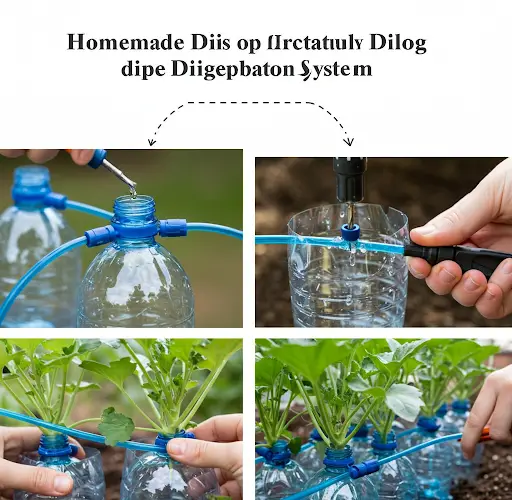
How to Make a Homemade Drip Irrigation System with Cheap Plastic Bottles — Easy and Fast
Maintaining a healthy garden or potted plants doesn’t have to be expensive or time-consuming. With just a few cheap plastic bottles and a little time, you can create an easy and effective homemade drip irrigation system. This method saves water, reduces your daily workload, and helps plants grow healthier by providing a consistent water supply directly to the roots.
Here’s a detailed guide to building your own simple drip irrigation system quickly and at virtually no cost.
Why Choose Plastic Bottles for Drip Irrigation?
Plastic bottles are a great resource for home irrigation. They are widely available, easy to work with, and an environmentally friendly way to repurpose single-use plastics.
A drip irrigation system made from plastic bottles provides a slow and steady water release, ensuring plants receive consistent moisture without the risk of overwatering. It’s an ideal solution for vegetable gardens, potted plants, raised beds, and even small trees.
By using this method, you save water, reduce evaporation losses, and promote deep root growth—all essential for strong, healthy plants.
What You Will Need
-
Plastic bottles (1L, 2L, or larger depending on plant size)
-
Sharp pin, nail, or needle
-
Lighter or candle (optional, for heating the needle)
-
Scissors or utility knife
-
String or garden wire (optional, for hanging installations)
-
Water
Step-by-Step Guide
1. Select Suitable Bottles
The size of the bottle depends on the size and water needs of your plants. One-liter bottles are great for small potted plants, while two-liter bottles are better for larger plants or for longer watering periods. Make sure the bottles are sturdy and free from cracks.
2. Clean the Bottles
Wash the bottles thoroughly with soap and water to remove any residues. Clean bottles prevent any harmful chemicals from seeping into the soil and affecting plant health.
It’s also helpful to remove the labels so you can easily see how much water remains inside.
3. Make Tiny Holes
Use a sharp pin, needle, or small nail to poke 1–2 tiny holes in the bottle cap. Heating the needle slightly with a lighter or candle can make it easier to pierce the plastic smoothly.
Important:
Make the holes small enough that water drips slowly. You can always make the holes bigger if necessary, but starting small helps control the flow rate.
Alternatively, you can create holes near the bottom of the bottle if you prefer a standing setup instead of an upside-down one.
4. Fill the Bottle with Water
Fill the prepared bottle with clean water. If desired, you can add a diluted liquid fertilizer to feed your plants gradually while watering.
After filling, screw the cap back on tightly to ensure water only escapes through the holes you created.
5. Install the Drip System
Depending on your plants and available space, you can install your bottle in different ways:
-
Upside-Down Method:
Turn the bottle upside down and insert the cap end into the soil near the plant’s base. Bury it a few inches deep for stability, ensuring the holes are beneath the surface to drip water directly into the root zone. -
Standing Method:
If holes were made near the bottle’s bottom, stand the bottle upright next to the plant. Bury it slightly into the soil to keep it stable. -
Hanging Method:
For hanging baskets or container gardens, you can hang the bottle upside down with string or wire, letting it drip onto the soil or into the container.
6. Monitor and Adjust
Check the flow of water after setting up the bottle. Ideally, it should drip slowly, releasing water over several hours or days.
If the water is dripping too quickly, the holes may be too large. Replace the cap or seal the holes and make smaller ones.
If the water barely drips or doesn’t drip at all, slightly widen the holes.
Observe how quickly the bottle empties and adjust the number of bottles or hole sizes depending on your plant’s needs and the weather conditions.
Tips for Best Results
-
Pre-Water the Soil:
Moisten the soil before installing your drip system. Wet soil absorbs water more slowly, extending the watering duration. -
Use Mulch:
Adding mulch around your plants helps keep moisture in the soil longer and enhances the efficiency of your drip system. -
Stabilize the Bottles:
Use rocks, small stakes, or deeper burial to keep bottles upright and prevent tipping over. -
Customize per Plant Needs:
Different plants have different water requirements. Adjust the number of bottles and flow rates accordingly. -
Regularly Refill and Check:
Especially in hot weather, monitor the system and refill the bottles as needed to maintain consistent soil moisture.
Advantages of a Plastic Bottle Drip System
-
Affordable and Accessible:
Makes use of recycled materials without any major expense. -
Easy to Set Up:
Requires no special tools, technical knowledge, or plumbing skills. -
Eco-Friendly:
Helps reduce plastic waste and saves water. -
Plant Health Benefits:
Provides consistent hydration, leading to better plant growth and productivity. -
Time-Saving:
Reduces the need for daily watering, freeing up more time for other gardening activities.
Final Thoughts
Creating a homemade drip irrigation system with cheap plastic bottles is one of the easiest and most effective ways to care for your plants. Whether you have a few potted herbs, a flower garden, or a vegetable patch, this method ensures your plants get a consistent supply of water without wasting resources.
By investing just a little time and effort, you can enjoy healthier, happier plants while also making a positive impact on the environment.
Try setting up your homemade drip irrigation system today—you’ll be amazed at how simple and effective it can be!


