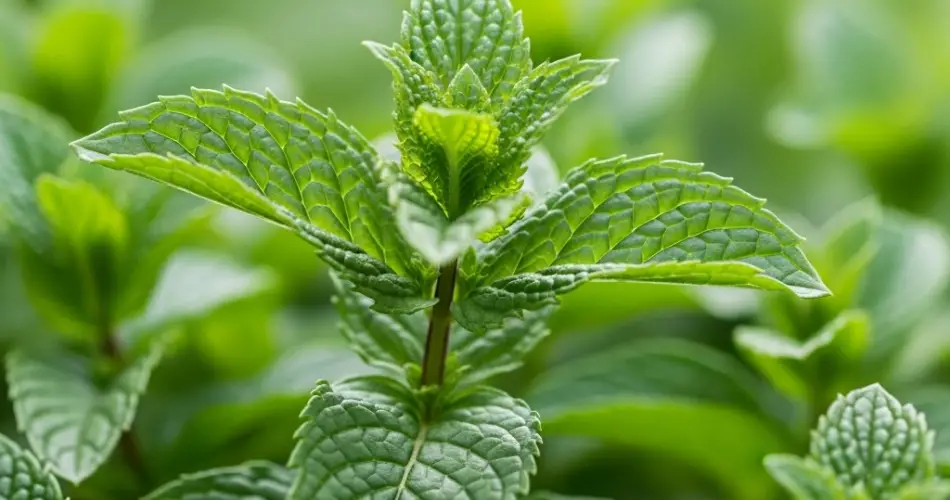
Mint is a hardy and fast-growing herb that thrives with minimal care, making it a favorite for beginner and seasoned gardeners alike. But even this vigorous plant can face health issues, especially when grown in containers or in humid conditions. If you’re looking to keep your mint plants thriving without resorting to chemical treatments, you’re in luck—mint responds well to natural methods.
Here’s a complete guide to keeping your mint healthy using organic and eco-friendly practices.
Choose the Right Location
A healthy mint plant starts with the right growing conditions. Mint prefers partial to full sun and moist, well-draining soil. When grown in the ground, mint can become invasive, so many gardeners opt to plant it in containers to control its spread.
-
Sunlight: Aim for 4–6 hours of sun per day. Too much shade can lead to leggy growth and increase the risk of disease.
-
Air Circulation: Avoid overcrowding. Good airflow reduces the risk of fungal infections and helps the plant dry out after watering.
Positioning your mint in a location that avoids soggy or compacted soil will significantly reduce many common issues before they start.
Watering Without Overdoing It
Mint enjoys evenly moist soil, but overwatering can lead to root rot, mold, and mildew.
-
Check soil moisture before watering by sticking your finger about an inch into the soil. If it feels dry at that depth, it’s time to water.
-
Water at the base of the plant rather than from overhead to minimize moisture on the leaves, which can attract fungal problems.
In humid climates, water less frequently and ensure pots have drainage holes to avoid water buildup.
Natural Ways to Fertilize
Mint doesn’t need heavy feeding, but occasional nourishment helps it maintain lush growth.
Here are chemical-free fertilizer options:
-
Compost: Add a handful of compost around the base every few weeks.
-
Banana peel water: Soak banana peels in water overnight and use the water to give your mint a mild potassium boost.
-
Crushed eggshells: Provide calcium and improve soil texture over time.
Avoid over-fertilizing, as it can lead to large but less flavorful leaves.
Prune Regularly for Health and Shape
One of the best ways to prevent disease and keep mint vigorous is through frequent pruning.
-
Pinch off the tips of stems to encourage bushier growth.
-
Cut back woody or leggy stems to about half their length.
-
Remove any yellow or damaged leaves immediately to prevent the spread of disease.
Regular pruning also discourages flowering, which can cause the leaves to lose flavor. If flowers appear, snip them off to redirect energy to the leaves.
Natural Pest Control Methods
Although mint repels many pests with its strong scent, it’s still vulnerable to issues like aphids, spider mites, and whiteflies.
Here are safe, non-chemical remedies:
-
Neem oil spray: Mix 1 teaspoon of neem oil with 1 liter of water and a few drops of dish soap. Spray on leaves to deter pests.
-
Soapy water: A simple spray made with a few drops of mild liquid soap in water can knock down aphid populations.
-
Companion planting: Mint grows well with herbs like basil and rosemary, which can help deter pests naturally.
Always spray in the early morning or late afternoon to avoid leaf burn from the sun.
Preventing Fungal Issues Organically
Fungal diseases like powdery mildew can occur, especially in humid conditions or if the plant stays wet for too long.
-
Space out containers or thin out dense growth to increase air circulation.
-
Apply a baking soda spray: Mix 1 teaspoon of baking soda with 1 liter of water and a drop of liquid soap. Spray weekly to prevent mildew.
-
Cinnamon powder sprinkled lightly on soil can help reduce fungal growth.
Always remove infected leaves and dispose of them away from your garden to prevent spreading.
Rotate and Refresh the Soil
If you’re growing mint in containers, it’s important to refresh the soil every season. This helps avoid the buildup of pathogens and maintains soil health.
-
Rotate your containers or change the location if you’re growing mint in pots year-round.
-
Add compost and organic matter to rejuvenate the soil between growing cycles.
If mint is growing in a permanent bed, consider lifting and dividing the plant every year to prevent overcrowding and to stimulate new growth.
Final Thoughts
Keeping mint healthy without chemicals is entirely achievable with a little attention and care. By focusing on proper watering, good air circulation, natural pruning, and organic pest prevention, you’ll ensure that your mint stays robust and flavorful throughout the growing season.
Best of all, these methods are not only safe for your family and pets but also beneficial for pollinators and the environment. Whether you’re growing mint for tea, cooking, or homemade remedies, a healthy organic mint patch is a rewarding addition to any home garden.


