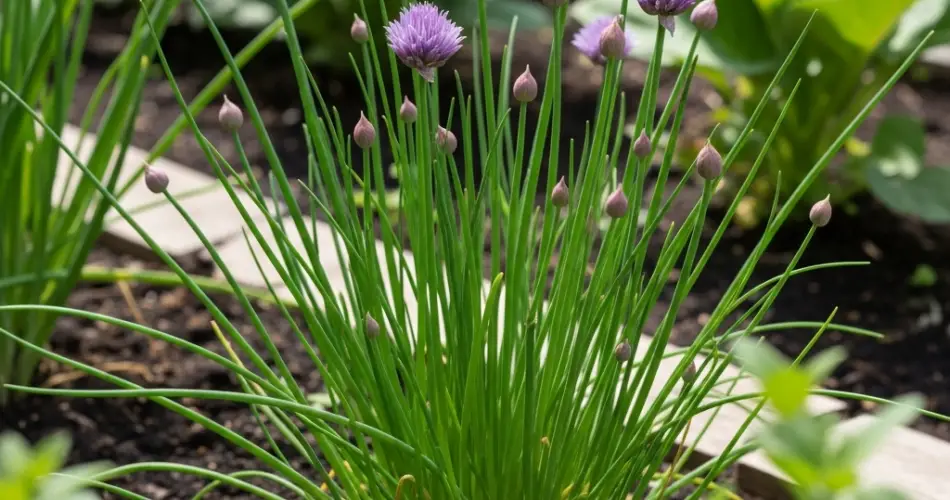
Chives (Allium schoenoprasum) are much more than just flavorful herbs for garnishing dishes. In the garden, they serve as powerful companion plants that support neighboring crops by repelling pests, improving flavor, and enhancing overall plant health. Companion planting with chives is an easy, organic strategy that boosts biodiversity and supports a productive vegetable garden.
Whether you grow chives in garden beds, borders, or containers, integrating them with the right plants can offer several benefits. This guide explores how chives contribute to companion planting and which crops benefit most from being grown nearby.
Why Chives Are Excellent Companion Plants
Chives belong to the allium family, which includes garlic, onions, and leeks—plants well-known for their strong aroma and natural pest-repelling properties. The sulfur-rich oils in chives are particularly effective at deterring common garden pests while also providing mild antifungal benefits.
Key benefits of planting chives as companions include:
-
Pest Repellent: Their scent repels aphids, carrot flies, cabbage loopers, and Japanese beetles.
-
Disease Prevention: Chives may reduce the risk of powdery mildew and other fungal infections in nearby plants.
-
Attracting Pollinators: When left to flower, chives produce small purple blooms that attract bees and other pollinators.
-
Flavor Enhancement: Some gardeners believe chives subtly enhance the flavor of adjacent crops, especially tomatoes and carrots.
-
Low Maintenance: As perennial herbs, chives return year after year with minimal effort.
Best Companion Plants for Chives
Chives can benefit a wide range of vegetables, fruits, and even flowers. Here are some of the top crops to pair with chives:
1. Tomatoes
Chives make excellent companions for tomatoes. Their strong scent helps deter aphids and spider mites, two pests that frequently target tomato plants. Plant chives around the base of tomato plants or along garden borders.
2. Carrots
Carrots are often attacked by carrot flies, but the aroma of chives helps mask the carrot scent that attracts these pests. Interplanting chives with carrots is a simple way to reduce infestations naturally.
3. Cabbage Family (Brassicas)
Cabbage, broccoli, kale, and Brussels sprouts benefit from chives’ ability to repel cabbage worms and other brassica-loving insects. Scatter clumps of chives between rows or around the edges of brassica beds.
4. Strawberries
Chives planted near strawberries can improve the fruit’s flavor and help prevent gray mold, a fungal disease that often affects berries in damp conditions. Their flowers also encourage pollination, which supports larger yields.
5. Roses
Although not a vegetable, roses are common garden companions, and chives are known to help prevent black spot fungus on rose leaves. The sulfur compounds in chives offer some protection when planted nearby.
Where Not to Plant Chives
While chives benefit many crops, they may not be ideal companions for all plants.
-
Beans and Peas: Members of the legume family don’t grow well with alliums, including chives. The growth-inhibiting compounds in chives can interfere with nitrogen fixation, a process essential to legumes.
-
Asparagus: Chives may stunt asparagus growth if planted too close, so it’s best to keep a little distance between them.
How to Plant and Grow Chives in Companion Settings
Chives are easy to establish and grow in most climates. Here’s how to incorporate them into your companion planting plan:
-
Plant Location: Chives prefer full sun but tolerate partial shade. Choose well-draining soil and place them near pest-prone crops.
-
Spacing: Allow 8–12 inches between clumps of chives to prevent overcrowding and ensure good airflow.
-
Watering: Water moderately; chives like moist but not soggy soil.
-
Maintenance: Regularly snip the leaves to encourage fresh growth and prevent them from going to seed too early.
-
Flower Control: Letting a few chives flower can attract beneficial insects. However, if you want to prevent self-seeding, remove flowers before they drop seeds.
Additional Tips for Companion Planting with Chives
-
Border Planting: Chives are ideal for edging garden beds. Their upright growth and pest control properties make them functional and ornamental.
-
Container Gardening: If space is limited, chives grow well in pots and can be placed near plants that need protection.
-
Year-Round Availability: Chives are perennial in many zones and can be divided every few years to create more companion planting opportunities.
Conclusion
Companion planting with chives is a smart, natural way to enhance your vegetable garden. Not only do chives repel harmful insects and improve the resilience of neighboring plants, but they also offer culinary benefits and a pop of color when in bloom.
By thoughtfully placing chives among crops like tomatoes, carrots, and brassicas, you’ll create a healthier, more self-sustaining garden. With little maintenance and plenty of benefits, chives are truly one of the most valuable companion plants you can grow.


