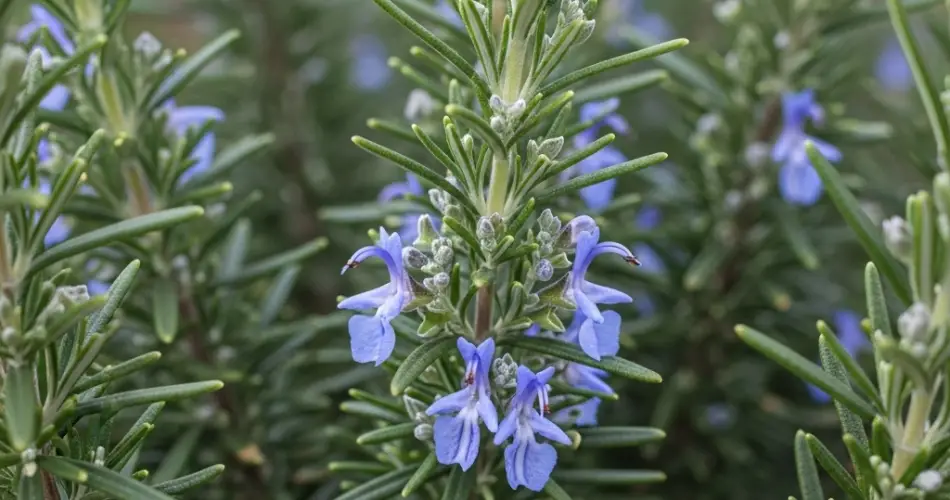
Rosemary is one of the easiest and most rewarding herbs to grow at home. It’s fragrant, hardy, and perfect for cooking, but many beginners struggle to keep it alive—let alone harvest it properly. The good news is, rosemary can actually thrive with minimal care, and knowing how and when to harvest it is key to keeping your plant healthy and productive.
This guide breaks down rosemary harvesting into beginner-friendly steps and shows you how to do it without harming your plant. Even if you’ve killed a plant or two before, don’t worry—rosemary gives you plenty of second chances.
Why Rosemary Is Worth Growing
Before diving into harvesting, it’s helpful to know why rosemary is such a popular choice for home growers. Rosemary is:
-
Low-maintenance: It doesn’t need much watering or pampering.
-
Perennial: It lives for several years in the right climate or indoors.
-
Useful: Fresh rosemary enhances a wide range of dishes, from roasted potatoes to marinades and bread.
-
Decorative: Its bushy, evergreen look makes it a great houseplant or patio companion.
Best of all, regular harvesting keeps the plant in good shape and encourages fuller, more robust growth.
Step 1: Choose the Right Time to Harvest
One of the most common mistakes beginners make is harvesting too much, too soon. Rosemary needs time to establish itself. If your plant is new or still small, wait until it’s at least 6–8 inches tall before doing any major trimming.
Ideal time to harvest:
-
Mid-morning, after the dew has dried but before the sun is too strong.
-
Spring and early summer are best for large harvests.
-
Light trimming can be done year-round on mature plants.
Step 2: Use the Right Tools
Use clean, sharp scissors or pruning shears to snip rosemary stems. Dull blades can crush the stems and stress the plant. Always sanitize your tools before and after trimming to prevent spreading disease.
Step 3: Know Where to Cut
Rosemary grows from the tips of its stems, so you want to cut just above a leaf node (the spot where leaves grow out of the stem). Here’s how:
-
Identify a stem that is at least 4–6 inches long.
-
Follow the stem down to where you see small, green leaves branching out.
-
Cut just above this spot—never below.
This encourages the plant to branch out and become fuller, rather than growing leggy and sparse.
Tip: Only harvest about 1/3 of the plant at a time. This gives the plant enough leaves to continue photosynthesis and grow back stronger.
Step 4: Encourage Healthy Regrowth
Every time you harvest rosemary properly, you’re also pruning it—and that’s a good thing. Pruning:
-
Promotes bushier growth.
-
Prevents the plant from getting too woody or overgrown.
-
Reduces the chance of disease by improving airflow.
After harvesting, give your rosemary plant some time to recover. Make sure it gets:
-
Plenty of sunlight (6–8 hours a day).
-
Well-draining soil to prevent root rot.
-
Minimal watering—only water when the top inch of soil is dry.
Step 5: Store Your Rosemary
Once harvested, rosemary can be used fresh, dried, or even frozen for later.
To use fresh:
-
Rinse gently and pat dry.
-
Strip the leaves from the woody stems and use them in your recipes.
To dry rosemary:
-
Bundle several stems together and hang upside down in a dry, well-ventilated place.
-
Once fully dry (about 7–10 days), strip the leaves and store them in an airtight container.
To freeze rosemary:
-
Chop the leaves and freeze them in ice cube trays with a little olive oil or water.
Troubleshooting: Why Your Rosemary May Be Dying
If you’ve struggled with rosemary in the past, it’s often due to one of these common mistakes:
-
Overwatering: Rosemary hates wet roots. Always let the soil dry between waterings.
-
Lack of sunlight: This plant loves full sun. A south-facing window or balcony is ideal.
-
Poor drainage: Use pots with holes and avoid heavy garden soil.
-
Cold temperatures: Rosemary isn’t frost-tolerant. Bring it indoors during winter if you live in a cold climate.
Correcting these issues will give your rosemary plant a fresh start—and improve future harvests.
Final Thoughts
Harvesting rosemary doesn’t have to be intimidating, even if you’re someone who’s had trouble keeping plants alive. With a little knowledge and a light touch, you’ll not only keep your rosemary thriving but also enjoy a steady supply of this fragrant herb all year long.
Start with small, mindful harvests. Respect the plant’s natural rhythm. And before long, you’ll feel like a confident herb gardener—even in a tiny apartment or on your first attempt.


