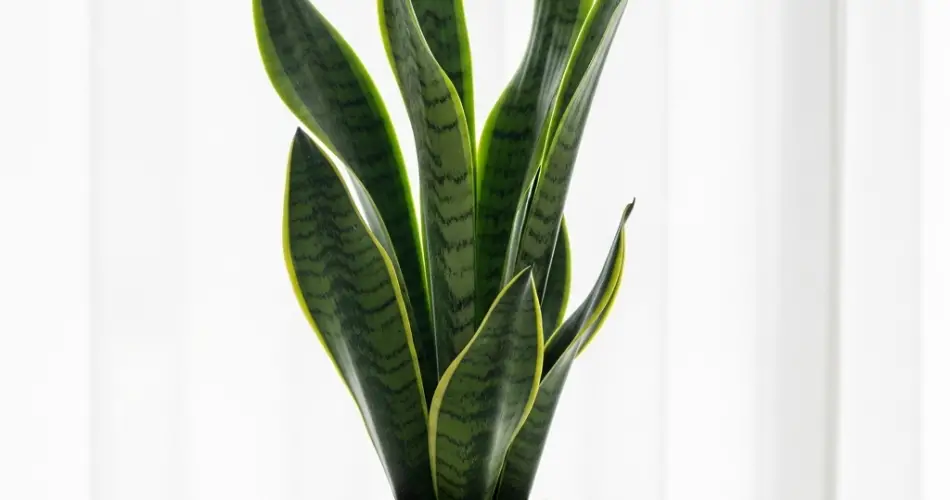
Snake plants (Sansevieria), also known as mother-in-law’s tongue, are among the easiest and most resilient houseplants you can grow—perfect for anyone living in a small apartment. Their upright, sword-like leaves bring a modern aesthetic to any room, while their air-purifying qualities make them a healthy addition to your indoor space.
If you’ve struggled with keeping plants alive or are new to indoor gardening, snake plants are a fantastic choice. This guide covers everything you need to know to develop and maintain a thriving snake plant in your small apartment, even if you have minimal space or experience.
Why Snake Plants Are Ideal for Small Apartments
Snake plants are incredibly adaptable. They tolerate low light, irregular watering, and a wide range of temperatures. This makes them suitable for spaces with limited natural light, such as studios, bedrooms, or offices.
Some of their best qualities include:
-
Low maintenance: Water only when the soil is dry, typically every 2–6 weeks.
-
Compact size: Many varieties stay small, while others can grow tall without needing much horizontal space.
-
Air purification: They filter toxins like formaldehyde and benzene, improving indoor air quality.
-
Drought tolerant: Can survive occasional neglect, making them ideal for busy lifestyles.
Choosing the Right Snake Plant for Your Space
Snake plants come in many varieties, from short and bushy to tall and slender. Here are a few popular ones suitable for apartment living:
-
Sansevieria trifasciata ‘Laurentii’: Classic variety with yellow-edged leaves.
-
Sansevieria cylindrica: Rounded, spear-like leaves; more sculptural.
-
Sansevieria ‘Moonshine’: Silvery-gray leaves that brighten darker rooms.
-
Sansevieria hahnii: A dwarf variety that forms a rosette and stays compact.
Choose a variety that fits your space and style preferences.
Potting and Soil Requirements
Snake plants prefer well-draining soil to avoid root rot. Use a cactus or succulent potting mix, or create your own by mixing:
-
2 parts potting soil
-
1 part perlite or coarse sand
Choose a pot with drainage holes to prevent excess water from pooling at the bottom.
If your apartment is very small, vertical planters or narrow pots can save space and complement your decor.
Light and Temperature Needs
Although snake plants tolerate low light, they grow best in bright, indirect sunlight. A spot near an east- or west-facing window is ideal, but they’ll also survive in shaded corners.
Avoid direct, harsh sunlight as it can scorch the leaves. If natural light is insufficient, snake plants do well under fluorescent or LED grow lights for about 12 hours a day.
Temperature-wise, they thrive between 60°F and 85°F (15°C to 29°C) and should be kept away from cold drafts or heating vents.
Watering Tips for Success
Overwatering is the most common cause of snake plant failure. These plants are drought-tolerant succulents and store water in their thick leaves.
Watering guidelines:
-
Check the soil before watering; it should be dry at least 1–2 inches deep.
-
Water thoroughly but infrequently—roughly every 2–6 weeks depending on indoor humidity and temperature.
-
In winter, reduce watering further.
-
Avoid letting the plant sit in water.
If you notice the leaves turning mushy or yellow, it’s often a sign of overwatering.
Propagating Your Snake Plant
One of the fun aspects of growing snake plants is how easy they are to propagate. You can expand your indoor garden using leaf cuttings or by dividing root clumps.
Propagation by leaf cuttings:
-
Cut a healthy leaf near the base.
-
Let the cut end dry and callous for a day or two.
-
Insert the leaf into moist soil or water.
-
Roots and new shoots will develop in several weeks.
Division:
If your snake plant has grown large and crowded, carefully remove it from its pot and separate the root ball into smaller sections. Repot each section into its own container.
Dealing with Common Issues
Snake plants are hardy but can encounter a few problems:
-
Root rot: Caused by overwatering or poor drainage. Let soil dry out thoroughly between watering.
-
Leaf spots: Fungal or bacterial infections. Remove affected leaves and avoid overhead watering.
-
Pests: Rare, but spider mites or mealybugs may appear. Treat with insecticidal soap or wipe leaves with a damp cloth.
Enhancing Your Apartment’s Green Space
Snake plants are perfect companions for other low-maintenance indoor plants like pothos, ZZ plants, or succulents. Grouping them creates a visually pleasing green corner, even in limited square footage.
Because of their vertical growth habit, snake plants fit well in narrow spaces such as hallways, shelves, or beside furniture without crowding your living area.
Final Thoughts
Developing a snake plant in a small apartment is one of the most straightforward ways to enjoy houseplants without the usual fuss. Their tolerance for neglect, ability to thrive in low light, and air-purifying benefits make them a must-have for beginners and experienced gardeners alike.
By choosing the right variety, providing proper soil and watering, and placing your plant in a suitable spot, you can nurture a beautiful snake plant that enhances your apartment’s atmosphere for years to come.
Even if you think you “kill every plant,” snake plants are forgiving and resilient—perfect for turning your indoor gardening efforts into a success story.


