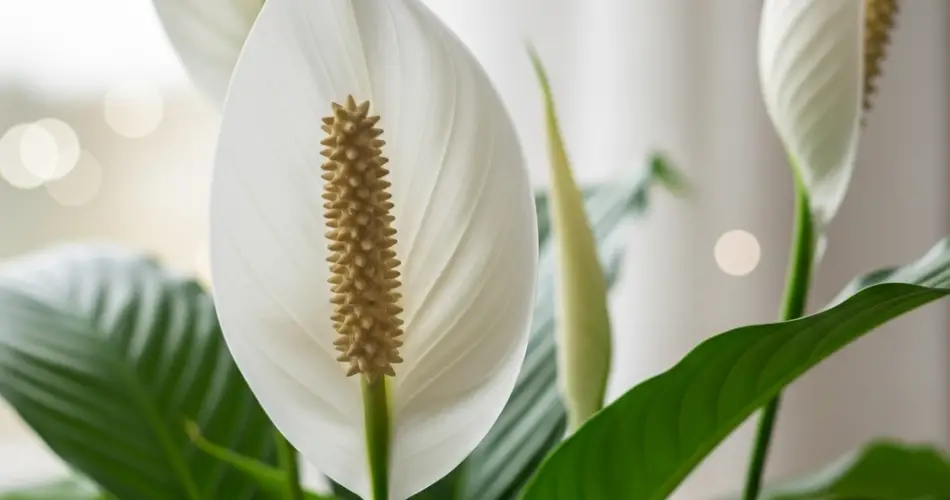
The peace lily (Spathiphyllum), with its graceful white spathes and lush green leaves, is a favorite indoor plant known for its beauty and ease of care. While most people propagate peace lilies by division, growing them from seed is entirely possible — and incredibly rewarding if you’re patient and attentive. With the right methods, you can grow a peace lily from seed to a stunning, thriving plant faster than you might expect.
Whether you’re a beginner gardener or simply looking to try something new, this guide will walk you through everything you need to know about harvesting and growing peace lilies from seed.
1. Understanding Peace Lily Seeds
Peace lily seeds are not commonly found in garden centers, but you can collect them from your own mature plants if they bloom and produce seed pods. Seed propagation takes longer than dividing an existing plant, but it allows you to grow multiple new plants from a single bloom.
To collect seeds:
-
Wait for the flower to fade and the spadix (the central spike) to brown.
-
Once dry, gently remove the seeds from the spadix.
-
Let the seeds air-dry for 1–2 days before planting.
Peace lily seeds are small, round, and usually dark in color.
2. Prepare the Right Growing Medium
To give your peace lily seeds the best start, use a light, well-draining soil mix.
Ideal seed-starting mix:
-
2 parts peat moss or coco coir
-
1 part perlite or vermiculite
-
Optional: a small amount of fine compost for added nutrients
Sterilize your soil by baking it in the oven (at 180°F for 30 minutes) if you’re using garden soil, to prevent fungus and pests.
3. Sow the Seeds Correctly
Use shallow seed trays or small pots to sow your peace lily seeds. Here’s how to do it:
-
Moisten the soil slightly so it’s damp but not soaked.
-
Place seeds on the surface and gently press them into the soil — they need light to germinate, so do not cover them completely.
-
Mist the surface with water to keep it moist.
-
Cover the tray or pot with a clear plastic lid or plastic wrap to retain humidity.
Label the container with the sowing date so you can track progress.
4. Create the Perfect Germination Environment
Peace lily seeds need warmth and humidity to germinate quickly.
Maintain these conditions:
-
Temperature: 24°C to 27°C (75°F to 80°F)
-
Humidity: Around 70–80%
-
Light: Bright, indirect light — avoid direct sun
Use a seedling heat mat or place the tray near a warm, sunny window. Mist the soil regularly to keep it moist but avoid waterlogging.
Germination time: 2 to 6 weeks, depending on temperature and seed freshness.
5. Transplant Seedlings With Care
Once the seedlings have developed at least two true leaves, they are ready to be moved to individual pots.
Steps for transplanting:
-
Gently loosen the seedlings from the tray
-
Use a spoon or small trowel to lift each one
-
Transplant into 4–6 inch pots filled with high-quality potting mix
-
Water lightly and place them back in bright, indirect light
Be gentle to avoid damaging the delicate roots.
6. Caring for Young Peace Lily Plants
After transplanting, continue to provide consistent care to ensure strong, healthy growth.
Watering:
-
Keep the soil evenly moist but not soggy
-
Allow the top inch of soil to dry out between waterings
Light:
-
Bright, indirect sunlight is ideal
-
Avoid harsh midday sun, which can scorch young leaves
Humidity:
-
Peace lilies love humidity. Mist regularly or place the pot on a pebble tray filled with water
Fertilizing:
-
Use a balanced liquid fertilizer (e.g., 10-10-10) diluted to half strength
-
Feed every 4–6 weeks during the growing season (spring to early fall)
7. When Will It Flower?
Peace lilies grown from seed typically take 12 to 18 months to reach maturity and start blooming. To encourage flowering:
-
Ensure the plant receives enough light (not too dim)
-
Avoid overwatering
-
Use a bloom-boosting fertilizer with slightly more phosphorus (middle number)
Don’t worry if it doesn’t bloom right away — focus on strong foliage growth first, and the blooms will follow.
8. Common Problems and Solutions
-
Yellow leaves: Usually due to overwatering or poor drainage
-
Brown tips: Often caused by dry air or chlorine in tap water — switch to filtered water
-
Drooping: A sign of either underwatering or root rot from overwatering
Check soil moisture and drainage regularly, and adjust care accordingly.
Conclusion
Growing a peace lily from seed may require more patience than division, but the process is incredibly rewarding. With the right setup, proper moisture, warmth, and a little care, you can grow your own stunning peace lily from scratch — even if you’re a beginner. The journey from seed to lush, flowering plant is not only achievable but also deeply satisfying for any indoor gardener.


