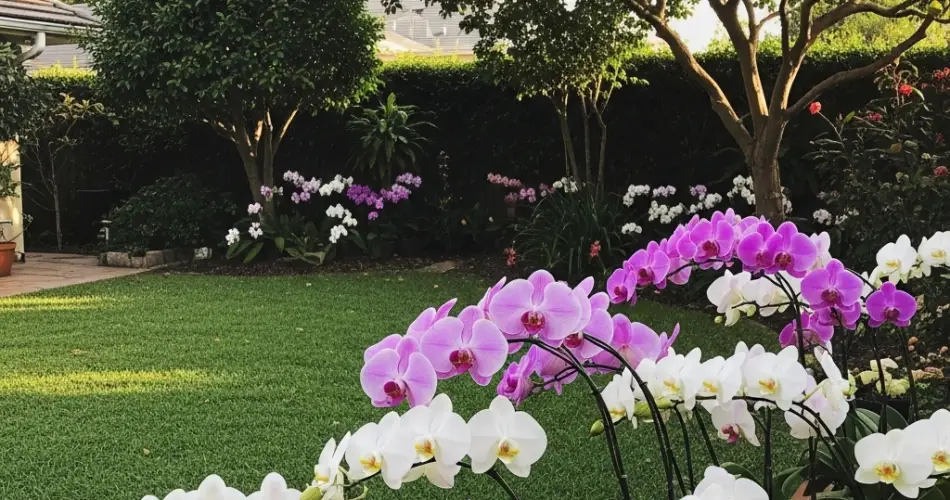
Orchids are often seen as exotic, high-maintenance plants that only thrive in controlled environments. But the truth is, with the right setup and a bit of patience, you can successfully germinate orchids in your own backyard—without complicated techniques, expensive equipment, or horticultural degrees.
If you’re intrigued by the idea of growing these stunning blooms from scratch, this guide will walk you through a simplified method to germinate orchids at home with minimal effort.
Understanding Orchid Germination
Orchid seeds are tiny—so small they look like dust—and they lack the stored nutrients found in many other seeds. In nature, they rely on a specific fungus to help them germinate. This symbiotic relationship can be difficult to replicate at home, which is why many people think growing orchids from seed is nearly impossible.
Fortunately, there are modern alternatives that simplify the process, especially if you’re not aiming for professional breeding. The most hassle-free option for backyard gardeners is to use orchid seed kits or opt for vegetative propagation methods like keikis or division, depending on the species.
However, if you’re determined to germinate seeds from scratch, here’s how to do it with the least amount of fuss.
Option 1: Germinate Using a Home Flasking Method
This method mimics lab conditions but in a simplified, affordable way.
What You’ll Need:
-
Orchid seeds (purchased from a trusted source)
-
Sterile seedling flasks or baby food jars
-
A sterilized growing medium (typically agar-based)
-
A pressure cooker or microwave
-
A small grow light or bright, indirect sunlight
-
Patience (orchid seeds can take months to germinate!)
Steps:
-
Sterilize the Jars and Tools
Clean all containers, spoons, and tweezers with alcohol or boil them in water. Sterility is key—any contamination can ruin the batch. -
Prepare the Growing Medium
Use a commercially available orchid germination medium or prepare your own with agar, sugar, and nutrients. Heat it until fully dissolved, then pour into your jars. -
Sterilize the Seeds
Orchid seeds must be disinfected before planting. Use a diluted bleach solution (10%) for 10–15 minutes, then rinse with sterile water. -
Sow the Seeds
Place seeds onto the medium in the jars using a sterilized tool. Seal the jars tightly. -
Place in Bright, Indirect Light
Store the flasks in a warm spot with filtered light or under a gentle grow light. Maintain temperatures around 75–80°F (24–27°C). -
Wait and Watch
Germination can take anywhere from 4 to 12 weeks, depending on the species. Small green blobs will eventually form, which later develop into protocorms and then seedlings. -
Transplant When Ready
Once the seedlings develop leaves and roots, transfer them to pots with sphagnum moss or a fine orchid mix.
While this method requires some setup, it’s surprisingly doable with household items and a clean workspace.
Option 2: Let Nature Do the Work (Natural Germination with Keikis)
For an even easier alternative, try propagating keikis—baby plants that form on orchid stems. This method works best with Phalaenopsis and Dendrobium orchids and is perfect for outdoor growers in warm, humid climates.
Steps:
-
Look for Keikis
Mature orchids sometimes produce small shoots with leaves and roots along the flower spike. These are keikis. -
Leave Them to Grow
Let the keiki grow until it has at least 2–3 roots that are 2–3 inches long. -
Remove and Replant
Cut the keiki from the mother plant using sterilized scissors. Plant it in a small pot with orchid bark or sphagnum moss. -
Keep It Humid
Mist the keiki daily or cover the pot with a plastic dome to retain humidity while roots establish.
This method requires almost no special equipment and allows you to clone your favorite orchids naturally.
Orchid Germination Tips for Backyard Success
-
Choose native or tropical orchids that suit your local climate if planting outdoors.
-
Keep seedlings and young plants away from direct midday sun. Bright shade or filtered light is ideal.
-
Use rainwater or distilled water, especially during germination and early growth.
-
Maintain consistent warmth and humidity.
-
Don’t rush the process—orchids are slow growers and can take a few years to flower.
Final Thoughts
Germinating orchids in your backyard doesn’t have to be complicated. Whether you use a simple flasking method or propagate keikis from existing plants, you can enjoy the satisfaction of growing orchids from the very beginning. With a little patience and a clean setup, even beginners can experience the wonder of seeing these delicate beauties take root and thrive.
So, don’t be intimidated by orchid seeds or propagation techniques. With the right approach, you can turn your backyard into a lush orchid sanctuary—no lab coat required.


