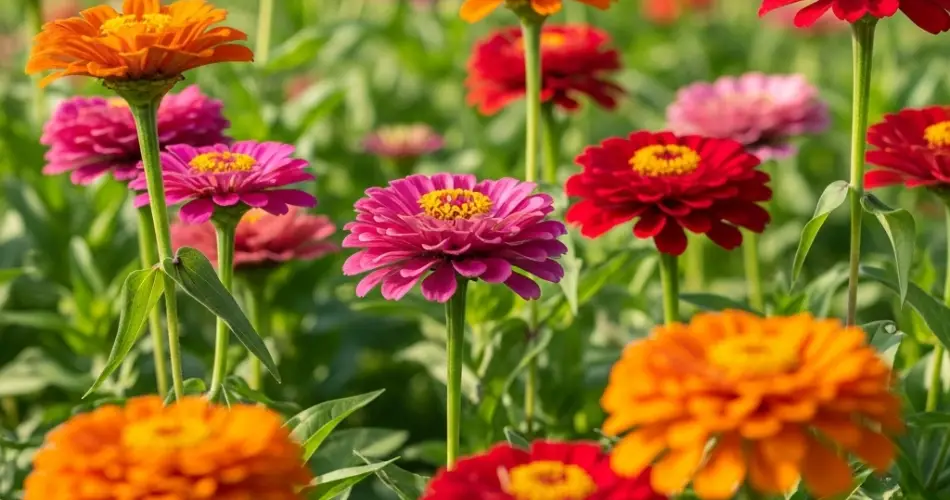
Zinnias are among the most vibrant and easy-to-grow annual flowers, loved for their long-lasting blooms and wide range of colors. One of their most rewarding qualities is how simple it is to save seeds from mature plants for next season. Harvesting zinnia seeds not only saves money but also allows you to cultivate your favorite varieties year after year. With a little patience and a few basic steps, you can turn a season of bright blooms into a future garden full of homegrown zinnias.
Here’s a complete guide on how to harvest and store zinnia seeds for future planting.
Why Save Zinnia Seeds?
Saving zinnia seeds is a great way to:
-
Continue growing your favorite blooms without purchasing new seeds
-
Adapt plants to your garden’s environment through successive generations
-
Experiment with colors and shapes, especially if you grow several varieties that may cross-pollinate
Keep in mind that if you’re growing hybrid zinnia varieties, the seeds may not produce plants identical to the parent. However, the surprise mix of colors and forms can make gardening even more fun.
Step 1: Choose the Right Blooms to Harvest
To get the best seeds, select the healthiest, most vigorous zinnia plants in your garden. Choose blooms that represent the colors and forms you’d like to see in next year’s plants.
Allow the flowers to remain on the plant until they are fully dry and faded. This typically occurs several weeks after blooming, when the petals begin to shrivel and the flower head turns brown and papery. Seeds harvested too early may be immature and unlikely to germinate.
Look for signs that a flower head is ready:
-
The petals are dry or have fallen off.
-
The base of the flower (receptacle) is hard and brown.
-
The seed head feels crisp and brittle to the touch.
Step 2: Cut and Dry the Flower Heads
Once the flower heads are fully dried on the plant, use clean, sharp scissors or pruners to snip them off. Leave a short stem attached to make handling easier.
Place the harvested heads in a dry, well-ventilated area out of direct sunlight, such as a screened porch or indoors on a tray. Let them dry for an additional 5 to 7 days to ensure they are fully cured. Good airflow is essential to prevent mold during this process.
If you’re harvesting a large number of seed heads, label them by variety or color using small paper bags or tags.
Step 3: Extract the Seeds
Once the heads are completely dry, it’s time to separate the seeds. Gently pull apart the flower head over a paper plate or tray. Zinnia seeds are typically attached to the base of the petals or found in the center of the flower head.
Zinnia seeds are:
-
Arrowhead-shaped and flat
-
Often gray, brown, or tan in color
-
About ¼ inch long
Remove any remaining petal pieces, chaff, or other debris. Sorting the seeds ensures you store only viable ones and keeps your seed supply clean.
Step 4: Test Seed Viability (Optional)
If you want to check the quality of your harvested seeds, perform a simple germination test:
-
Place 10 seeds on a damp paper towel.
-
Fold the towel and seal it in a plastic bag.
-
Keep it in a warm area for 5–7 days.
-
Check how many seeds sprout.
If most of them germinate, your seeds are ready for storage. A germination rate of 70% or higher is ideal.
Step 5: Store Seeds Properly
Proper storage is crucial to maintaining seed viability until the next planting season.
Tips for storing zinnia seeds:
-
Place seeds in paper envelopes or small coin envelopes to allow airflow.
-
Label each envelope with the variety name and harvest date.
-
Store envelopes in an airtight container such as a glass jar or plastic box.
-
Keep the container in a cool, dark, and dry place, like a pantry or closet.
Avoid storing seeds in humid or warm conditions, as this can cause mold or reduce germination rates. When stored properly, zinnia seeds can remain viable for 3 to 5 years, although the highest germination rates are usually within the first two years.
Step 6: Planting Your Saved Zinnia Seeds
In the next growing season, your saved zinnia seeds can be started indoors or directly sown outdoors.
-
Indoors: Start seeds 4–6 weeks before the last expected frost. Use seed trays or small pots with a light, well-draining seed-starting mix.
-
Outdoors: Sow seeds directly in garden beds after the last frost. Lightly cover them with soil and keep the area moist until seedlings emerge.
Zinnia seeds usually germinate within 5 to 10 days in warm conditions.
Final Thoughts
Harvesting and saving zinnia seeds is an easy and satisfying way to preserve the beauty of your garden and become more self-sufficient as a gardener. With just a little effort at the end of the season, you’ll be well-prepared for next year’s vibrant, colorful displays—grown from seeds you collected yourself. Whether you love zinnias for their bold colors, butterfly appeal, or cut flower potential, seed saving ensures the joy of your blooms continues year after year.


