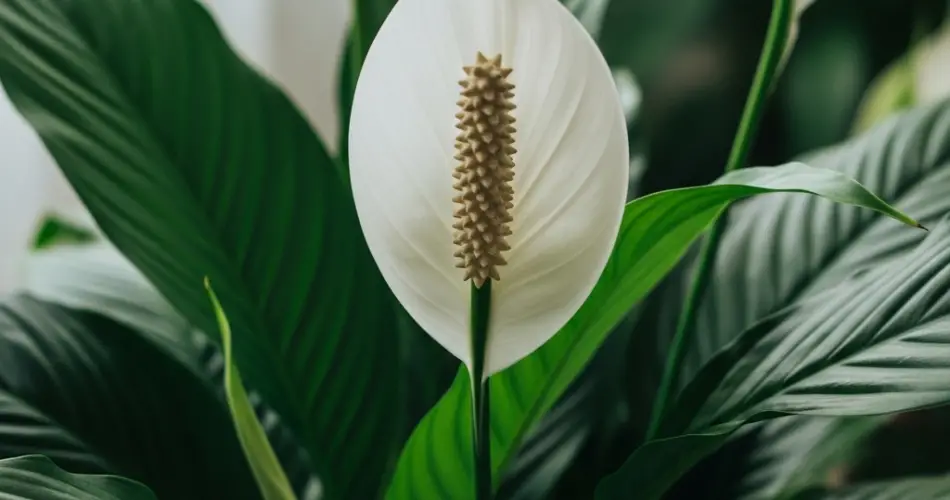
The peace lily (Spathiphyllum) is a favorite indoor plant thanks to its glossy green leaves, graceful white blooms, and ability to thrive in low-light conditions. While it’s relatively easy to care for, feeding it properly plays a key role in keeping it healthy, lush, and flowering consistently. The right fertilizer can significantly enhance leaf color, flower production, and overall plant vigor.
Here’s everything you need to know about choosing and using the best fertilizer for a thriving peace lily.
Understanding Peace Lily Nutrient Needs
Peace lilies are not heavy feeders, but they still benefit from consistent, balanced nutrition—especially when grown in containers. Like most houseplants, they require three primary macronutrients:
-
Nitrogen (N): Promotes lush, green foliage.
-
Phosphorus (P): Supports healthy root growth and flower production.
-
Potassium (K): Strengthens overall plant health and resistance to disease.
In addition, trace elements such as calcium, magnesium, and iron also contribute to proper growth and chlorophyll production.
Choosing the Right Fertilizer
When selecting a fertilizer for peace lilies, look for a balanced, water-soluble formula—something with an even ratio like 10-10-10 or 20-20-20. This ensures your plant gets equal amounts of the essential nutrients. Some products labeled “houseplant fertilizer” or “indoor plant food” are ideal, provided they contain all the major and minor nutrients.
For flowering encouragement, a formula slightly higher in phosphorus—such as 10-15-10—can promote more consistent blooming, especially during the active growing season.
Avoid slow-release fertilizers unless you’re experienced with their timing and dosage. Peace lilies are sensitive to over-fertilization, and excess nutrients can cause leaf tips to brown or even damage the roots.
How to Fertilize Your Peace Lily
Frequency matters more than quantity. Peace lilies prefer light, consistent feeding over occasional heavy doses.
-
During the growing season (spring and summer): Feed your peace lily every 4 to 6 weeks with a diluted water-soluble fertilizer. Mix it at half the recommended strength to avoid buildup and root burn.
-
In fall and winter: Reduce feeding to once every 2–3 months, or stop altogether if the plant enters a period of dormancy.
Always water the plant before applying fertilizer to prevent root damage and allow nutrients to be absorbed more evenly.
Signs Your Peace Lily Needs Fertilizer
Even with proper watering and lighting, your peace lily may show signs of nutrient deficiency. Watch for:
-
Pale or yellowing leaves: May indicate nitrogen deficiency.
-
Fewer or smaller flowers: A sign the plant lacks phosphorus.
-
Leaf edges turning brown: Often caused by salt buildup from over-fertilization but can also point to potassium deficiency.
If you notice these symptoms, try flushing the soil with water to remove excess salts before applying a balanced, diluted fertilizer.
Natural and Organic Fertilizer Options
If you prefer a more eco-friendly approach, natural fertilizers can provide slow, steady nutrition:
-
Compost tea: A mild, nutrient-rich solution that supports overall plant health.
-
Fish emulsion: High in nitrogen; great for leaf growth, but should be used sparingly due to strong odor.
-
Seaweed extract: A gentle source of trace minerals and growth hormones that support stress resistance.
-
Worm castings: Can be added as a top dressing to improve soil texture and microbial activity.
Organic options should still be used in moderation. Peace lilies don’t need a lot of fertilizer, so apply lightly and watch how your plant responds.
Tips to Avoid Over-Fertilizing
Over-fertilizing is one of the most common mistakes in houseplant care. Peace lilies, in particular, are sensitive to chemical build-up in their soil.
To avoid over-fertilization:
-
Always dilute liquid fertilizers to half strength.
-
Flush the soil every few months by watering thoroughly until water runs out of the bottom of the pot.
-
Watch for fertilizer salt crusts on the soil surface or pot edges—if you see them, it’s time to rinse the soil.
-
Never fertilize a dry or stressed plant, as the roots are more vulnerable to damage.
Final Thoughts
Feeding your peace lily with the right fertilizer—at the right time and in the right amount—can make all the difference in its appearance and health. A gentle, balanced fertilizer applied during active growth will help your plant produce glossy green leaves and those iconic white blooms. Whether you choose a commercial water-soluble mix or natural, organic alternatives, consistency is key.
With mindful care and a regular feeding routine, your peace lily will reward you with long-lasting beauty and vibrant, graceful growth throughout the year.


