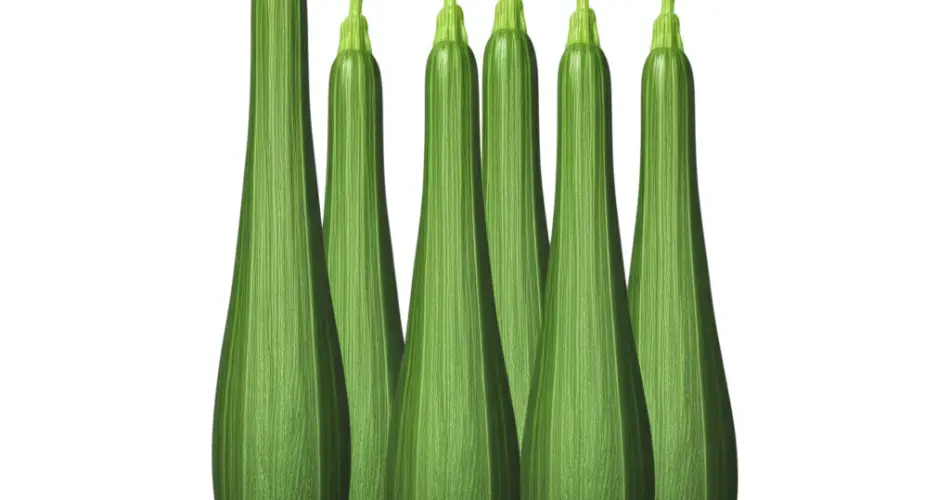
Zucchini is one of the easiest and most productive vegetables to grow at home. Even if you don’t have a garden, you can still enjoy a bountiful harvest by growing zucchini in buckets. This method is perfect for balconies, patios, or small backyard spaces, making it accessible for gardeners of all levels.
If you’re looking for a simple, space-saving way to grow fresh zucchini, here’s everything you need to know to get started.
Why Grow Zucchini in Buckets?
Growing zucchini in buckets comes with several advantages:
-
Space-saving: Perfect for small spaces like balconies or patios.
-
Mobility: You can move the buckets to follow the sun or protect the plants from harsh weather.
-
Pest control: Elevating the plants can help reduce exposure to certain pests.
-
Soil control: You can ensure high-quality soil and optimal drainage.
Zucchini is a prolific producer, so even a couple of buckets can yield enough for regular meals.
Choosing the Right Bucket
The right container makes a big difference. Use the following guidelines:
-
Size: A 5-gallon (19-liter) bucket is ideal for one zucchini plant. The plant needs space for its roots to spread and access to nutrients and water.
-
Drainage: Drill several holes in the bottom of the bucket to prevent water from pooling. This helps avoid root rot and other moisture-related problems.
-
Material: Plastic buckets work well and are easy to find, but you can also use fabric grow bags or other large containers.
Place a tray or saucer under the bucket to catch excess water if you’re growing on a balcony or deck.
Preparing the Soil
Zucchini needs nutrient-rich, well-draining soil to thrive. Prepare a mix using:
-
60% quality potting soil
-
20% compost (homemade or store-bought)
-
20% perlite or coconut coir for aeration and drainage
You can also add a handful of slow-release organic fertilizer or worm castings to support growth throughout the season.
Planting Zucchini in Buckets
You can start zucchini from seeds or buy young seedlings from a garden center.
From seeds:
-
Sow 2–3 seeds in the center of the bucket, about 1 inch (2.5 cm) deep.
-
Keep the soil moist but not soggy.
-
Once the seedlings are about 3–4 inches tall, thin them out and leave the strongest one.
From seedlings:
-
Transplant one healthy seedling per bucket.
-
Water gently and keep it in a sunny location.
Zucchini is a warm-season crop, so wait until all danger of frost has passed before planting outdoors.
Providing Sunlight and Water
Zucchini needs 6–8 hours of direct sunlight daily to produce well. Place the buckets in the sunniest spot available. If you’re growing on a balcony or rooftop, be sure the area receives adequate light.
Watering tips:
-
Water deeply when the top inch of soil feels dry.
-
Avoid getting water on the leaves to prevent fungal diseases.
-
During hot weather, you may need to water daily, especially in black plastic buckets that retain heat.
Supporting Your Plant
While zucchini is often grown as a bushy plant, it benefits from light support in containers.
-
Use a small tomato cage or stake to help keep the plant upright.
-
Supporting the plant also improves airflow and reduces the risk of mildew and pests.
Fertilizing and Maintenance
Zucchini is a heavy feeder. To keep the plant productive:
-
Apply a diluted liquid fertilizer (like fish emulsion or compost tea) every 2–3 weeks.
-
Remove any yellowing or damaged leaves to keep the plant healthy.
-
Check for pests such as aphids, squash bugs, or powdery mildew. Use organic remedies like neem oil if needed.
Pollination is also essential for fruit production. If you’re growing in an area with few bees, hand-pollinate by using a small brush to transfer pollen from male flowers to female ones (which have a tiny fruit at the base).
Harvesting Your Zucchini
Zucchini grows fast. Once the fruits begin to form, check them daily. The ideal harvest size is about 6–8 inches long—this is when the flavor and texture are best.
To harvest:
-
Use scissors or a sharp knife to cut the fruit cleanly from the stem.
-
Harvest regularly to encourage more fruit production.
Smaller zucchinis are more tender and flavorful than large, overgrown ones.
End of Season and Replanting
At the end of the season, remove the plant and compost it if it’s disease-free. Refresh the soil in your bucket by adding compost before planting again. Zucchini can be succession-planted for a second crop if your climate allows.
Final Thoughts
Growing zucchini in buckets is a smart and simple way to enjoy fresh, homegrown produce—even in limited space. With a sunny spot, a well-draining container, and regular care, you can produce a surprisingly large harvest that will add flavor and nutrition to your meals.
Whether you’re a first-time gardener or an experienced grower looking to maximize your space, this method delivers delicious results with minimal effort. Give it a try—you may never go back to store-bought zucchini again.


