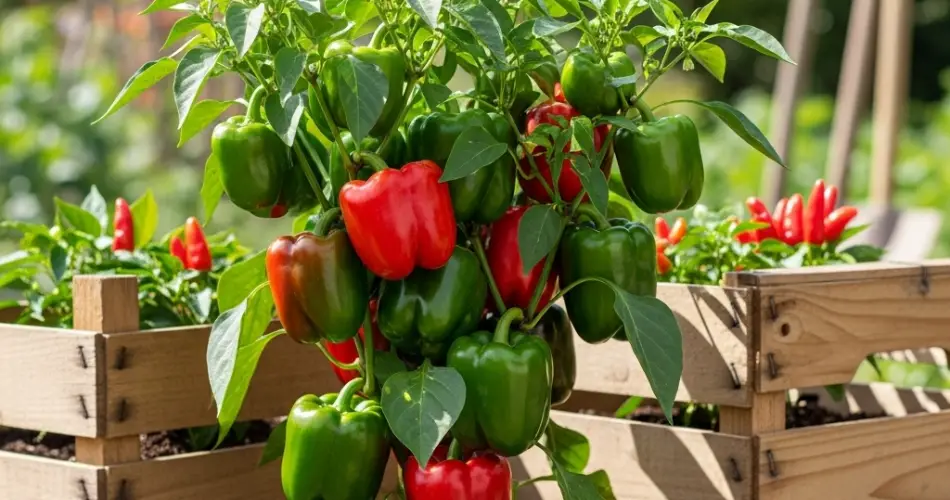
Growing peppers in wooden crate beds is an excellent way to enjoy a colorful and productive harvest, even if you have limited garden space. This method combines practicality, style, and efficiency, allowing you to control soil quality, improve drainage, and position your plants for the best sunlight. Whether you prefer sweet bell peppers or fiery chili varieties, wooden crate gardening provides the perfect environment for healthy growth and abundant yields.
Why Wooden Crate Beds Work Well for Peppers
Peppers thrive in warm, well-draining soil, and wooden crates naturally provide these conditions. Unlike heavy clay ground, which can retain too much moisture, crates allow excess water to escape easily, preventing root rot. They also enable you to customize your soil mix for optimal nutrient balance. In addition, crate beds can be placed on patios, balconies, or sunny corners of your backyard, giving you flexibility in garden design and location.
Choosing the Right Crate
Select a strong wooden crate that’s deep enough—about 12 to 16 inches—to accommodate the pepper plant’s roots. The wood should be untreated to avoid chemical contamination. If your crate has wide gaps between the slats, line it with burlap, landscaping fabric, or a thick layer of newspaper to hold the soil in place while still allowing drainage. Make sure there are drainage holes or spaces at the bottom so excess water can escape freely.
Preparing the Soil Mix
Peppers grow best in nutrient-rich, well-aerated soil. A good blend for crate planting is one part garden soil, one part compost, and one part coarse sand or perlite. The compost provides essential nutrients, while the sand or perlite ensures the mix remains loose and airy. Adding a slow-release organic fertilizer or well-aged manure will further support healthy plant development and fruit production.
Planting Your Peppers
You can start peppers from seeds indoors about 8–10 weeks before your region’s last frost date, or you can plant nursery-grown seedlings directly into your crate once the weather warms. Peppers love heat, so ensure nighttime temperatures consistently stay above 15°C (60°F) before transplanting. Space each plant 12–18 inches apart to allow good air circulation.
When planting, dig a small hole deep enough to cover the root ball and part of the stem. Burying a portion of the stem encourages stronger root growth, which helps the plant support more fruit. After planting, water thoroughly to settle the soil around the roots.
Watering and Sunlight Needs
Peppers need full sunlight—at least 6–8 hours daily—to develop vibrant colors and robust flavor. Place your crate in the sunniest spot available, rotating it occasionally if one side receives less light.
Watering should be consistent but not excessive. Crate beds tend to dry out more quickly than in-ground gardens, so check the soil regularly. Keep it evenly moist but avoid waterlogging, as soggy roots can lead to fungal problems. Deep watering once or twice a week is usually sufficient, but adjust according to your climate.
Supporting Pepper Plants
As pepper plants grow and begin to produce fruit, their branches can become heavy. Use small stakes, cages, or trellises within the crate to keep plants upright and prevent breakage. Securing them early helps avoid damaging roots later when the plants are well established.
Feeding for Bigger Harvests
Peppers are moderate feeders, meaning they benefit from steady nutrients throughout the season. Every 3–4 weeks, apply a balanced liquid fertilizer or a compost tea to encourage continued flowering and fruiting. For sweeter peppers, reduce nitrogen once fruits start forming to focus the plant’s energy on ripening.
Pest and Disease Prevention
Growing peppers in crates can reduce problems from soil-borne pests, but you should still monitor for aphids, spider mites, and pepper weevils. Regularly inspect leaves, especially the undersides, and remove pests by hand or use an organic insecticidal soap if needed. To prevent fungal issues, water at the base of the plants rather than overhead, and ensure good airflow around the foliage.
Harvesting Your Peppers
Peppers can be harvested at various stages depending on your preference. Green peppers are picked before full maturity, while red, yellow, and orange varieties are left to ripen on the plant for sweeter flavor and more nutrients. Use scissors or pruning shears to cut the fruit from the stem to avoid damaging the plant.
Advantages of Wooden Crate Pepper Gardens
Wooden crate beds make it easy to manage your pepper crop. You can move them to follow the sun, protect plants from sudden weather changes, or even bring them indoors at the end of the season. They also add a rustic, decorative touch to your garden space, blending functionality with charm.
By using wooden crates, you create a controlled, healthy growing environment for peppers, ensuring a beautiful harvest packed with flavor. With proper care, your crate-grown peppers can thrive season after season, turning even the smallest outdoor space into a productive garden.


