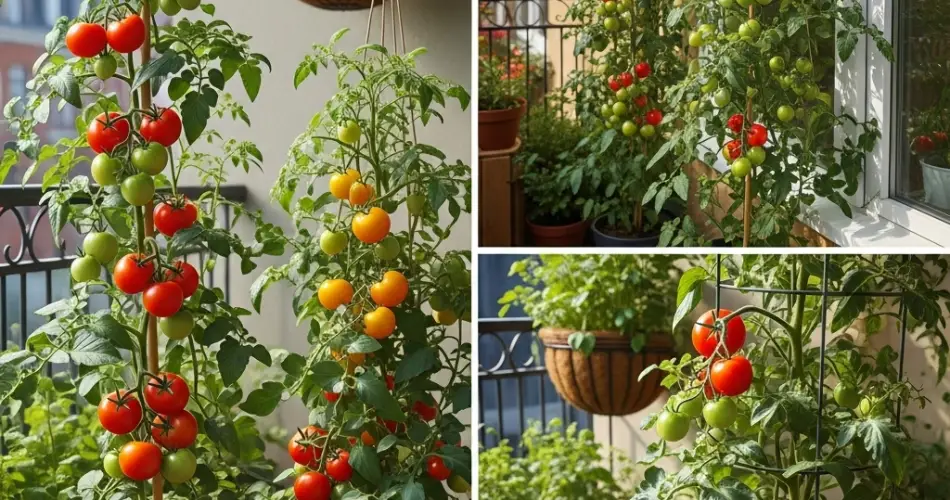
Tomatoes are one of the most popular home-grown vegetables—and for good reason. They’re delicious, versatile, and rewarding to grow. But what if you live in a small apartment or urban area with no garden, and no soil to work with? The good news is, you can still grow healthy, flavorful tomatoes in compact spaces using soilless growing methods. Whether you’re short on space or just want a cleaner, more efficient gardening setup, here’s how to grow tomatoes without a single scoop of soil.
Understanding Soilless Tomato Growing
Soilless growing, also known as hydroponics, is a method of cultivating plants in a nutrient-rich water solution. Instead of soil, plants grow in a medium like perlite, coconut coir, clay pellets, or even just water. This method gives you complete control over nutrients, water, and growing conditions—and it can be done in a surprisingly small space, even on a windowsill or balcony.
Hydroponic tomatoes grow faster, take up less space, and often yield more fruit than those grown in traditional soil-based gardens.
Choose the Right Tomato Variety
When growing in small, soilless setups, compact or dwarf tomato varieties are ideal. Look for:
-
Tiny Tim: A miniature cherry tomato plant that grows only about 12–18 inches tall.
-
Red Robin: A bushy, patio-friendly variety perfect for containers and hydroponic systems.
-
Balcony Cherry or Micro Tom: Specially bred for tight spaces and container gardening.
These small plants produce tasty fruits and don’t require staking or trellising, making them perfect for limited areas.
Select a Hydroponic System
There are several hydroponic systems suited for small-space tomato growing. The best options for beginners include:
-
Kratky Method: A passive, no-pump system. Plants grow in net pots suspended above a water reservoir. As the water level drops, roots grow longer to reach it.
-
Deep Water Culture (DWC): Roots float in oxygenated water. An air pump provides oxygen to prevent root rot.
-
Wick System: A low-maintenance setup using a wick to draw nutrient solution into the growing medium.
These systems are compact, affordable, and easy to assemble with household materials.
Set Up Your Growing Container
You’ll need:
-
A lightproof container (buckets, storage bins, or tubs work well)
-
Net pots or mesh cups to hold your tomato plants
-
Growing medium such as perlite, rockwool, coconut coir, or clay pellets
-
A nutrient solution specifically designed for tomatoes or fruiting plants
Cut holes in the lid of your container to fit the net pots, fill them with your chosen medium, and place your seedlings inside.
Light Requirements
Tomatoes need at least 10–12 hours of strong light per day. Without soil, light becomes even more critical for healthy growth and fruit production.
-
Place your system near a south-facing window if possible.
-
If natural light is limited, use a full-spectrum LED grow light to supplement.
-
Position the light 6–12 inches above the plants and adjust as they grow.
Investing in a timer can ensure consistent light exposure, even when you’re away.
Water and Nutrient Management
Hydroponic tomatoes rely on a nutrient-rich water solution to grow. Follow these steps:
-
Mix a hydroponic nutrient solution according to the package instructions.
-
Monitor pH levels (ideal range: 5.5–6.5) and electrical conductivity (EC) for nutrient strength.
-
Top up the water regularly and change the entire solution every 2–3 weeks to prevent salt buildup.
Always keep the roots moist but not overly saturated, and watch for signs of nutrient deficiencies like yellowing leaves or poor growth.
Temperature and Air Circulation
Tomatoes thrive in warm environments. Keep indoor temperatures between 65–80°F (18–27°C). Avoid placing your system near cold drafts or heating vents. Good air circulation also helps prevent mold and disease.
If your plants are flowering indoors, you may need to assist with pollination. Lightly shake the plant or use a soft brush to transfer pollen between flowers.
Supporting Your Plants
Even compact tomato varieties may need a bit of support once fruit starts forming. Use:
-
Bamboo stakes, garden ties, or chopsticks
-
Small trellises or cages if space allows
Gently tie the stems as they grow to avoid damage and improve air circulation around the plant.
Harvesting Your Tomatoes
Once the tomatoes turn their full color—whether red, yellow, or orange depending on the variety—they’re ready to pick. Ripe tomatoes will feel slightly firm and should detach easily from the stem.
Harvest regularly to encourage the plant to keep producing. The more you pick, the more you get!
Final Thoughts
You don’t need a backyard or even soil to grow your own juicy, homegrown tomatoes. With a simple hydroponic setup and a bit of care, you can enjoy a continuous harvest in even the smallest of spaces. From kitchen counters to balconies, soilless tomato growing opens up a world of possibilities for fresh produce all year round.


