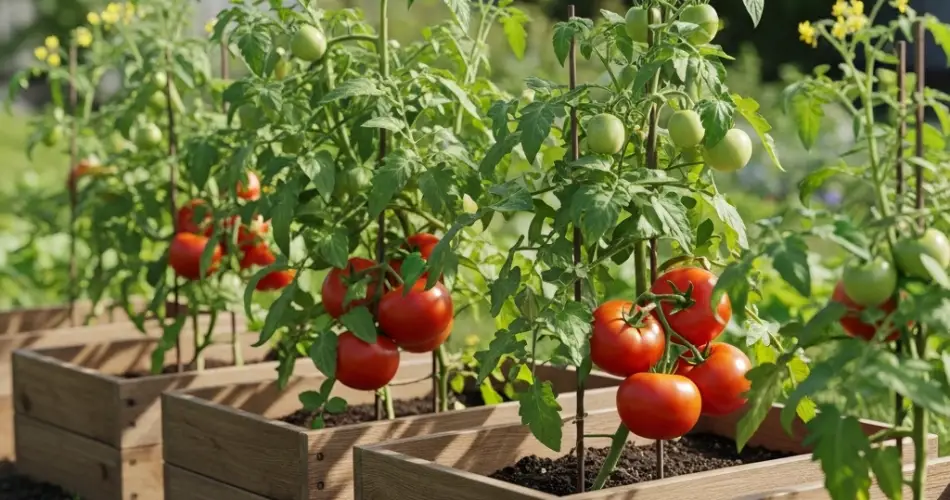
Tomatoes are a garden favorite, celebrated for their vibrant flavor, versatility, and nutritional value. For gardeners with limited space, growing tomatoes in rustic wooden containers offers an ideal solution. Container gardening provides control over soil quality, ensures proper drainage, and allows easy access to fresh, homegrown fruit. Wooden boxes also add a charming rustic touch to balconies, patios, and small garden areas. This guide explains how to plant, care for, and harvest tomatoes successfully in wooden containers.
Choosing the Right Wooden Container
Selecting an appropriate container is the first step toward successful tomato cultivation. Tomatoes develop extensive root systems and need sufficient space for healthy growth. A wooden box at least 12–18 inches deep and 18–24 inches wide is ideal for a single plant. Ensure the container has drainage holes to prevent waterlogging, which can cause root rot. Untreated wood, such as cedar or redwood, is preferred because it naturally resists decay and is safe for edible plants. Treated wood should be labeled food-safe. Rustic wooden boxes not only provide a functional growing environment but also enhance the aesthetic appeal of your outdoor space.
Preparing the Soil
Tomatoes thrive in fertile, well-draining soil with a slightly acidic to neutral pH of 6.0–7.0. To prepare the wooden box, mix garden soil with organic compost and a small amount of sand or perlite. Compost enriches the soil with nutrients and retains moisture, while sand or perlite improves drainage and prevents soil compaction. Fill the container about an inch below the rim to leave room for watering and mulching. Adding a balanced, slow-release organic fertilizer at planting ensures young tomato plants have the nutrients needed for strong growth and fruit development.
Selecting Tomato Varieties
Tomatoes come in a wide variety of types, including determinate (bush) and indeterminate (vining) varieties. Determinate varieties produce fruit within a shorter period, making them suitable for smaller containers, while indeterminate varieties continue to grow and produce fruit throughout the season, requiring larger support structures. Popular container-friendly varieties include ‘Patio Princess,’ ‘Bush Early Girl,’ and ‘Tiny Tim.’ Selecting the right variety ensures optimal growth, manageable plant size, and a consistent harvest.
Planting Tomatoes
Tomatoes can be grown from seedlings, small potted plants, or transplants. Plant seedlings deep, burying two-thirds of the stem, which encourages strong root development along the buried stem. Space plants according to their variety: determinate types can be planted 18–24 inches apart, while indeterminate types may require 24–36 inches. Water thoroughly after planting to help the roots establish. Proper planting depth and spacing support healthy growth and reduce the risk of disease.
Watering and Fertilizing
Consistent moisture is essential for tomato growth and fruit production. Water the container whenever the top inch of soil feels dry, ensuring excess water drains freely. Mulching with straw or shredded leaves helps retain soil moisture, suppress weeds, and maintain stable soil temperatures. Fertilize every 3–4 weeks with a balanced organic fertilizer or compost tea to support leafy growth, flower formation, and fruit development. Avoid excessive nitrogen, which can promote foliage at the expense of fruit production.
Sunlight Requirements
Tomatoes require full sun, needing at least 6–8 hours of direct sunlight per day. Place the wooden container in a bright location on your balcony, patio, or garden. Adequate sunlight ensures strong plant growth, vibrant flowers, and flavorful fruit. If natural sunlight is limited, supplemental grow lights can maintain healthy development and fruit production.
Supporting Tomato Plants
Indeterminate tomato varieties require support to keep vines and fruit off the soil. Use stakes, cages, or trellises within the wooden container. Tie vines loosely to the support structure as they grow to prevent breakage. Proper support improves air circulation, reduces the risk of disease, and makes harvesting easier.
Managing Pests and Diseases
Tomatoes can attract pests such as aphids, whiteflies, and tomato hornworms. Regularly inspect plants and remove damaged leaves. Organic solutions like neem oil or insecticidal soap can help control infestations. Proper spacing, mulching, and watering practices reduce the risk of fungal diseases like blight or powdery mildew.
Harvesting Tomatoes
Tomatoes are ready to harvest when the fruit reaches its full color, feels firm but slightly soft to the touch, and emits a fragrant aroma. Harvesting regularly encourages continued flowering and fruit production. Gently twist or cut the fruit from the stem to avoid damaging the plant. For best flavor, allow fully colored tomatoes to ripen at room temperature if picked slightly early.
Benefits of Wooden Container Tomato Gardening
Growing tomatoes in wooden containers maximizes limited space, provides control over soil quality, and protects plants from soil-borne diseases. Containers simplify watering, fertilizing, and harvesting while adding decorative appeal to small spaces. With proper care, wooden container gardening enables gardeners to enjoy fresh, flavorful tomatoes even without a traditional garden bed.
By selecting the right container, preparing nutrient-rich soil, choosing suitable varieties, and providing consistent care, gardeners can enjoy a bountiful tomato harvest. Wooden container gardening combines practicality, aesthetics, and productivity, making it an efficient and rewarding way to grow homegrown tomatoes.


