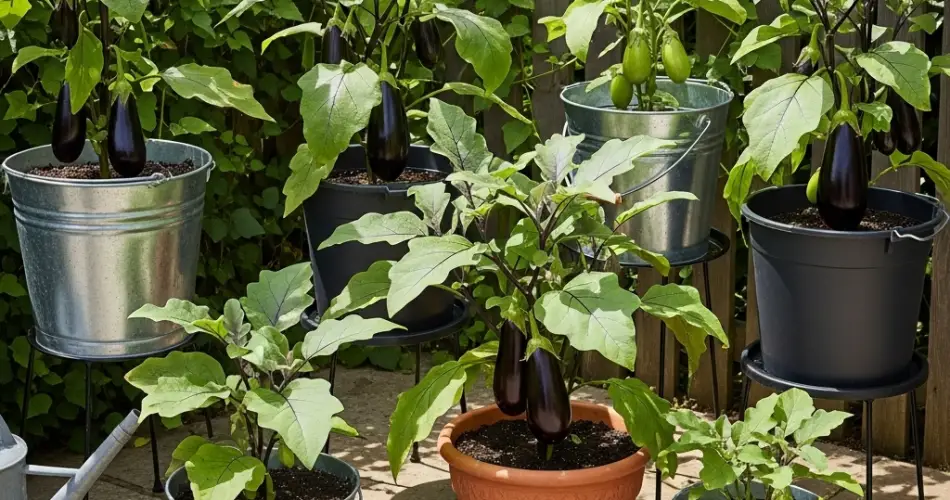
Growing eggplants at home can be both rewarding and practical, especially if you have limited space. Eggplants, also known as aubergines, thrive in warm weather and adapt well to container gardening. By using buckets as planters, you can cultivate healthy and productive plants even if you only have a small patio, balcony, or backyard. With the right conditions and proper care, you can enjoy a steady harvest of glossy, flavorful eggplants right at home.
Choosing the Right Bucket
The first step in bucket gardening is selecting the proper container. Eggplants require room for their roots to grow deeply and spread. A sturdy 5-gallon bucket is ideal for a single plant. Make sure the bucket is clean, food-grade if possible, and durable enough to withstand outdoor conditions.
Drainage is crucial, as waterlogged soil can quickly kill eggplants. Drill at least 5–6 holes at the bottom of the bucket to allow excess water to escape. You may also place a thin layer of gravel or broken clay pieces at the bottom to improve drainage before filling it with soil.
Soil and Fertilizer Preparation
Eggplants thrive in nutrient-rich, well-draining soil. A mix of high-quality potting soil and compost provides the right balance of nutrients and aeration. You can also mix in some perlite or coarse sand to improve drainage. Avoid using garden soil alone, as it may compact inside the bucket and restrict root growth.
Before planting, enrich the soil with organic matter such as composted manure or worm castings. Eggplants are heavy feeders, so a balanced slow-release fertilizer with nitrogen, phosphorus, and potassium is recommended. Phosphorus supports strong root development, while potassium promotes flowering and fruit production.
Planting Eggplants in Buckets
Eggplants can be grown from seeds or transplants. If you are starting from seed, sow them indoors about 6–8 weeks before the last expected frost in your area. Once seedlings have at least two sets of true leaves and outdoor temperatures are consistently warm (above 70°F or 21°C), they can be moved into buckets.
Fill the bucket with prepared soil, leaving about two inches from the rim. Gently place the seedling in the center, cover the roots with soil, and firm it lightly with your hands. Water thoroughly after planting. Each bucket should hold only one plant, as overcrowding limits airflow and growth.
Sunlight and Temperature Needs
Eggplants love warmth and sunlight. Place your buckets in a location where the plants will receive at least 6–8 hours of direct sunlight daily. If you live in a cooler climate, darker-colored buckets can help retain heat in the soil. In very hot climates, provide some light afternoon shade to protect the plants from scorching.
The ideal growing temperature for eggplants is between 70–85°F (21–29°C). Temperatures below 60°F (15°C) can stunt growth, while prolonged heat above 95°F (35°C) may reduce fruit set.
Watering and Maintenance
Consistent watering is key to thriving eggplants. Keep the soil evenly moist but not soggy. A good rule of thumb is to water when the top inch of soil feels dry to the touch. Buckets tend to dry out faster than garden beds, so monitor soil moisture daily, especially during hot weather.
Mulching with straw, shredded leaves, or coconut husk around the base of the plant helps retain soil moisture and reduce evaporation. Regularly check for weeds, though they are less common in container gardening.
Supporting Growth
As eggplants grow taller and begin producing fruit, the branches may become heavy and prone to breaking. Insert a stake or tomato cage into the bucket to support the plant. Tie stems gently with soft twine or garden clips to keep them upright.
Pruning can also improve yield and airflow. Remove lower leaves that touch the soil, as well as suckers that grow between the main stem and branches. This directs the plant’s energy into producing larger, healthier fruits.
Pest and Disease Management
Eggplants are vulnerable to pests such as aphids, flea beetles, and spider mites. Inspect plants regularly and treat infestations early. Spraying neem oil, insecticidal soap, or a homemade garlic-chili solution can help deter pests naturally.
To prevent fungal diseases, ensure proper spacing between buckets for airflow, avoid overhead watering, and remove any yellowing or diseased leaves. Rotating containers and replacing old soil between growing seasons also reduces the risk of soil-borne diseases.
Harvesting Eggplants
Eggplants are ready for harvest when their skin is glossy, firm, and deep in color. Overripe fruits often look dull and may taste bitter. Use a sharp knife or pruning shears to cut the fruit, leaving a short stem attached. Frequent harvesting encourages the plant to produce more fruits.
Depending on the variety, eggplants can be harvested 60–90 days after transplanting. Smaller varieties tend to mature faster, while larger ones take longer.
Final Tips for Success
-
Use high-quality seeds or healthy transplants for best results.
-
Fertilize every 2–3 weeks with a balanced liquid fertilizer to support continuous growth.
-
Rotate buckets to follow the sun if your space has shifting light conditions.
-
Grow companion plants like basil or marigolds nearby to deter pests naturally.
By following these steps, you can successfully grow eggplants in buckets and enjoy fresh, homegrown produce without needing a large garden. With proper care, your bucket-grown eggplants will not only thrive but also provide a rewarding harvest season after season.


