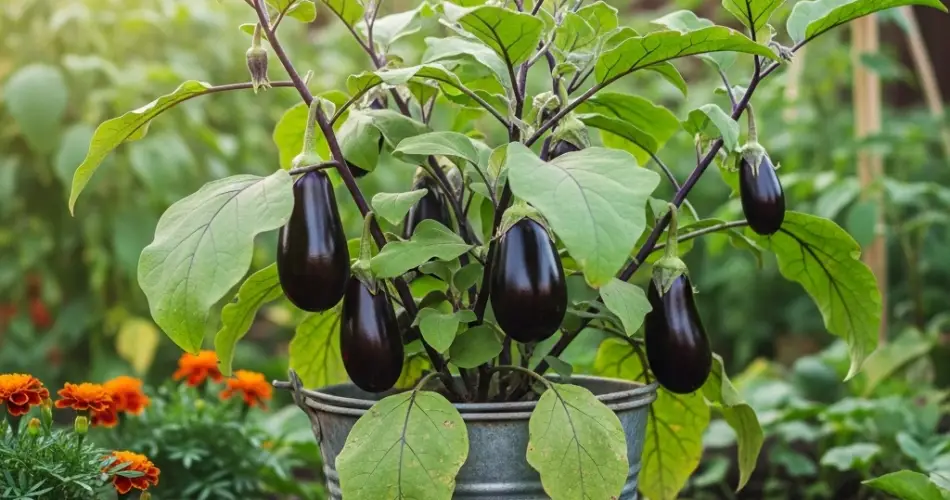
Container gardening is one of the most practical ways to grow fresh vegetables at home, especially if you have limited space. Among the vegetables that thrive in this setup, eggplant is a fantastic choice. Known for its versatility in the kitchen and ability to adapt well to buckets and pots, eggplant can provide you with a steady harvest even if you don’t have a traditional garden bed.
This guide walks you through everything you need to know about growing eggplant in buckets—from choosing the right container to harvesting your first fruits.
Why Grow Eggplant in Buckets?
Eggplants are relatively hardy and do not require expansive ground space, making them ideal for container cultivation. A bucket garden offers several advantages:
-
Space efficiency – Perfect for balconies, patios, and rooftops.
-
Mobility – Buckets can be moved to follow sunlight or shield plants from heavy rain.
-
Pest control – Growing off the ground helps reduce soil-borne pests and diseases.
-
Soil management – You control the soil mix, ensuring proper nutrients and drainage.
Choosing the Right Bucket
For eggplants, bucket size is crucial. A 5-gallon bucket is generally the minimum size needed, but larger is better. Eggplants develop deep root systems, and a bigger container allows healthier growth and better fruiting.
-
Material: Plastic buckets are lightweight and affordable, while fabric grow bags provide excellent aeration.
-
Drainage: Drill at least 5–6 holes at the bottom to prevent waterlogging. Place the bucket on pot feet, bricks, or a tray to allow excess water to escape.
Preparing the Soil Mix
Eggplants prefer loose, fertile, and well-draining soil. A good mix for buckets includes:
-
40% high-quality garden soil or loam
-
40% compost or well-rotted manure
-
20% coarse sand, perlite, or coco coir for drainage
Mix in a handful of organic fertilizer or slow-release pellets before planting. Eggplants are heavy feeders, so nutrient-rich soil is essential.
Planting Eggplants in Buckets
You can start from seeds or seedlings, depending on your timeline.
-
From Seeds:
-
Sow seeds indoors in small pots 6–8 weeks before the last frost.
-
Keep soil warm (around 24–30°C) to encourage germination.
-
Transplant when seedlings are 6–8 inches tall.
-
-
From Seedlings:
-
Purchase healthy, disease-free seedlings.
-
Plant one seedling per bucket to avoid overcrowding.
-
When transplanting, bury the seedling slightly deeper than it grew in the seed tray. This helps it establish a stronger root system.
Sunlight and Watering Needs
Eggplants thrive in warm, sunny conditions.
-
Sunlight: Provide at least 6–8 hours of direct sunlight daily. If growing indoors, supplement with grow lights.
-
Watering: Keep soil consistently moist but not soggy. Water deeply until excess drains from the bottom, then wait until the top inch of soil feels dry before watering again. Mulching the surface with straw or dried leaves can help retain moisture.
Fertilizing Eggplants in Buckets
Since eggplants are heavy feeders, they benefit from regular feeding.
-
During growth: Use a balanced liquid fertilizer (10-10-10) every 2–3 weeks.
-
When flowering and fruiting: Switch to a fertilizer higher in phosphorus and potassium to support blooms and fruit development.
-
Organic option: Compost tea, fish emulsion, or diluted seaweed extract are excellent natural choices.
Supporting Your Plants
Eggplants can grow tall and produce heavy fruits, which may cause stems to bend or break. Insert a wooden stake or tomato cage into the bucket at planting time. Tie the plant loosely with soft garden ties as it grows. This ensures proper support and prevents damage.
Managing Pests and Diseases
Even in containers, eggplants can face challenges from pests. Common ones include:
-
Aphids – Spray with neem oil or insecticidal soap.
-
Spider mites – Increase humidity and rinse leaves with water.
-
Flea beetles – Use row covers or sprinkle diatomaceous earth around the plant.
To prevent fungal diseases, avoid overhead watering and ensure good air circulation around plants. Rotate buckets occasionally to expose all sides to sunlight.
Harvesting Eggplants
Eggplants are typically ready for harvest 60–80 days after transplanting. The key signs include:
-
Glossy, firm skin
-
Fruit size appropriate for the variety
-
Skin that bounces back when lightly pressed
Do not wait until eggplants become dull and overly large, as they turn bitter and tough. Cut fruits off with garden shears rather than pulling them, which can damage the plant.
Final Thoughts
Growing eggplants in buckets is an excellent way for beginners to experience success with container gardening. With the right soil, sunlight, and care, your plants can reward you with an abundant harvest of fresh, flavorful eggplants. Whether grilled, roasted, or cooked into stews, your homegrown eggplants will taste better than anything from the store.


